
Planting
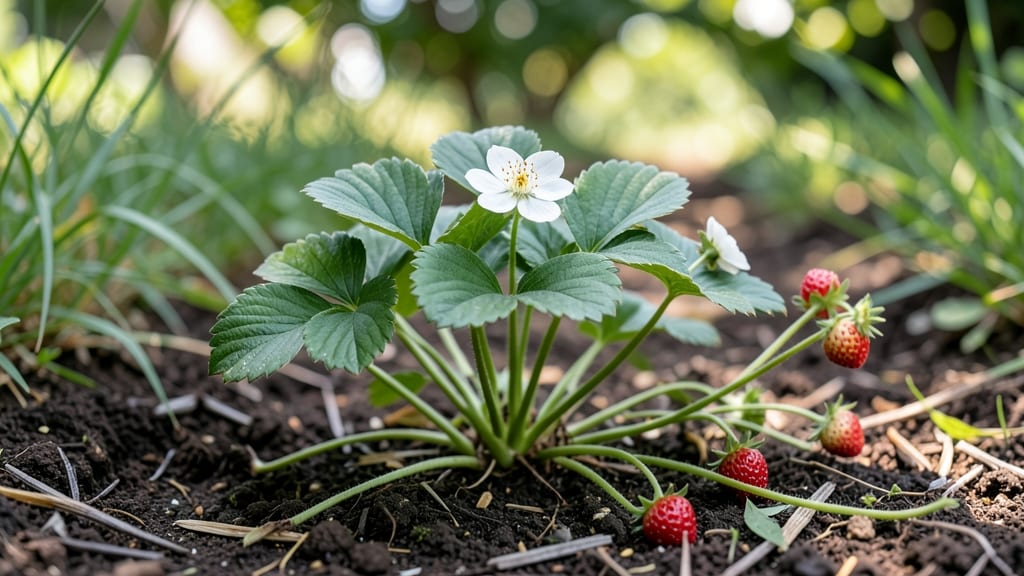
Understanding the strawberry plant cycle turns a single harvest into a year-round bounty. 🌱 My first strawberry patch produced just one flush of berries—until I learned the secret stages that unlock continuous fruit.
The magic happens when you match care to each phase: from tiny seedlings to dormant crowns, every step determines whether you get a handful or a bucketful of berries.
Strawberries grow in four distinct phases, each with its own care needs. First comes the vegetative stage, where leaves spread like a green carpet—this is when roots establish deep. Then flowering begins, triggered by day length and temperature, followed by fruiting where those tiny blossoms turn into sweet rewards.
Finally, dormancy resets the cycle, and proper winter prep ensures next year’s harvest starts strong.
You’ll spot the first signs of new growth in early spring, followed by those iconic white flowers by late spring. Prune runners strategically in summer to focus energy on fruit, not spread, and protect plants from winter chill with mulch.
The payoff? A garden that keeps producing long after most plants have quit for the year.
This cycle works for both June-bearing and everbearing varieties, though timing shifts slightly. Whether you’re a first-time gardener or a seasoned pro, mastering these stages turns strawberries from a one-time treat into a garden staple you can count on every season.
📚 In This Guide
- What you need
- Instructions
- Tips and common mistakes
- Wrapping up and next steps
What you need
- ● Strawberry plants: 10-20 bare-root or potted plants (depending on space; June-bearing, everbearing, or day-neutral varieties work best).
- ● Well-draining soil: 1-2 bags of organic potting mix or garden soil (amend with compost for nutrient-rich soil).
- ● Containers or garden bed: Containers: 5-10 gallon pots (at least 6 inches deep) with drainage holes for each plant.
- ● Garden bed: 4’ x 4’ minimum space (or raised bed) with full sun exposure (6+ hours/day).
- ● Fertilizer: Balanced organic fertilizer (10-10-10 or compost tea) and slow-release granular fertilizer (e.g., Osmocote).
- ● Mulch: Straw or pine needles (2-3 inches thick) to retain moisture and suppress weeds.
- ● Watering can or hose: With a gentle spray nozzle for consistent moisture.
- ● Pruning shears: Sharp, clean pair for trimming runners and dead foliage.
- ● Gloves: Heavy-duty gardening gloves to protect your hands.
- ● pH test kit: To ensure soil pH is between 5.5 and 6.8 (ideal for strawberries).
- ● Row covers: Lightweight fabric to protect plants from frost or pests.
- ● Drip irrigation system: For automated, efficient watering.
- ● Plant supports: Small stakes or cages to train sprawling varieties.
- ● Epsom salt: Magnesium sulfate for a quick nutrient boost during flowering.
- ● Plant tags: To label varieties and track the strawberry plant cycle stages.
How to master the strawberry plant cycle for continuous harvests
Here’s the seasonal rhythm I follow to keep my strawberries producing year after year—no wasted energy, no missed harvests.
🌱 Step 1: Spring Awakening – Prune and Fertilize for New Growth
As soon as soil reaches 50°F, prune last year’s runners and dead leaves. I cut back any brown or damaged foliage to 1 inch above the crown, leaving only healthy green leaves. This clears space for new growth and prevents disease.
Apply a balanced 10-10-10 fertilizer (about ½ cup per plant) when buds form. You’ll see tiny green flower clusters appear within 2-3 weeks—this is your signal to start watering deeply twice weekly. Keep soil 1-2 inches moist but never soggy; strawberries hate wet feet.
☀️ Step 2: Summer Maturity – Mulch and Protect for Peak Fruit
Spread 3-4 inches of straw mulch (yes, the same kind you’ll eat later) around plants but not touching the crown. This keeps roots cool and conserves moisture while suppressing weeds. I add mulch in early June when daytime temps hit 75°F consistently.
Watch for white flowers turning pink—this means fruit is setting. If birds or pests arrive, cover plants with fine netting immediately. Strawberries ripen in 30-40 days, so mark the first ripe berries with a toothpick and date to track your harvest window.
✂️ Step 3: Mid-Summer Renewal – Thin Runners for Stronger Plants
By late July, you’ll see long, thin stems (runners) sprouting from the mother plant. These are your strawberry’s way of reproducing—but they drain energy from fruit production. I remove 90% of runners, keeping only 2-3 strong ones to transplant if desired.
Trim runners at the base with clean shears. If you save them, pot them in 4-inch containers with fresh soil and place them in partial shade until fall planting. Never let runners root directly in the main bed—it weakens the parent plant.
🍓 Step 4: Fall Preparation – Harden Off and Winter-Proof
When nights drop below 40°F, stop fertilizing and reduce watering to once weekly. This helps plants toughen up. In late October, apply a 3-inch layer of straw mulch over the entire bed. This insulates roots through winter and prevents heaving when temps fluctuate.
I also prune any remaining leaves that show yellowing or disease to prevent overwintering pests. Healthy plants will stay dormant but alive—just wait for spring’s first 60°F day to resume care.
⏰ Step 5: Year-Round Maintenance – Adjust for Perpetual Harvests
June-bearing varieties produce one massive harvest, but everbearing types give two smaller flushes. For everbearers, pinch off 50% of early flowers in spring to encourage a second, larger harvest in fall. You’ll sacrifice some fruit now for a bigger payoff later.
Every 3-4 years, replace old plants with new ones. You’ll know it’s time when yields drop and leaves yellow prematurely. Just dig up the whole plant (roots and all) and start fresh—your garden deserves fresh, productive strawberries!
Tips & tricks for perfect strawberry plant care
Keeping strawberries productive all year takes a little strategy—here’s how to get the most from every season.
Soil Temperature Matters: That 50°F soil temperature threshold in Step 1 is crucial. Use a soil thermometer to check—if it’s colder, wait a few days before pruning. I’ve seen plants struggle when pruned too early, even if leaves look dry. The roots need to be ready for new growth, and waiting ensures you don’t stress the plant when it’s still dormant.
The Mulch Thickness Secret: When adding that 3-4 inches of straw mulch in Step 2, resist the urge to pile it higher. Too much mulch can smother the crown and trap moisture, leading to rot. I like to fluff it gently around the base, keeping it loose enough for air circulation. This balances moisture retention with root health perfectly.
Runner Management: In Step 3, those 2-3 strong runners you keep should be the ones with the most vigorous growth. Look for runners that are bright green and have multiple leaves forming—these are your future plants. If you’re short on space, you can even root them in water first to create new plants faster than transplanting directly to soil.
Winter Prep Insight: That 3-inch layer of straw mulch in Step 4 isn’t just for insulation—it’s also a natural weed barrier. Spread it before the first hard frost, and you’ll save yourself weeding in spring. Just remember to pull it back slightly from the crown to prevent rot during winter’s occasional thaws.
Pro Tips for Strawberry Plant Cycle
- Keeping strawberries productive all year takes a little strategy—here’s how to get the most from every season.
- Soil Temperature Matters: That 50°F soil temperature threshold in Step 1 is crucial.
- The Mulch Thickness Secret: When adding that 3-4 inches of straw mulch in Step 2, resist the urge to pile it higher.
Frequently asked questions
How long does it take for strawberries to produce fruit after planting?
Most strawberry plants take about 6–8 weeks to establish roots and 60–90 days to bear fruit after planting. June-bearing varieties fruit in their second year, while everbearing and day-neutral types may produce in the first year if given proper care (like consistent watering and sunlight). Patience pays off—think of it as a slow-burning harvest!
Can I get strawberries year-round, or do I need to replant every season?
Yes! With the right variety and care, you can extend your harvest. Everbearing and day-neutral strawberries produce fruit in multiple flushes, while June-bearing types yield heavily once per year. For year-round harvests, use row covers in winter or plant in successive waves (spring, summer, fall) in mild climates. Mulching also protects roots in cold snaps!
Why aren’t my strawberry plants fruiting this year?
Common culprits include poor pollination (hand-pollinate with a brush if bees are scarce), over-fertilizing with nitrogen (which boosts leaves over fruit), or stress from extreme heat/cold. Check for pests (like spider mites) or diseases (like gray mold). Solution: Prune old leaves, ensure 6+ hours of sunlight, and balance fertilizer with low-nitrogen, high-phosphorus options.
Should I remove old strawberry leaves before new growth starts?
Yes! Prune old leaves in early spring (before new growth) to prevent disease and redirect energy to fruit production. Cut leaves 1–2 inches above the crown and remove any matted runners unless you’re propagating new plants. This step is key for June-bearing varieties—everbearing types need less aggressive pruning.
What’s the best way to revive a struggling strawberry plant?
Start with hydration—strawberries hate soggy or dry soil. Amend soil with compost for nutrients, and ensure 6+ hours of sunlight daily. If leaves are yellow, test for iron deficiency (chelated iron helps). For pests, spray with neem oil or introduce beneficial nematodes. Often, a fresh planting site with well-draining soil works wonders!
Wrapping up and next steps
Understanding the strawberry plant cycle unlocks the secret to a bountiful, year-round harvest—whether you’re a seasoned gardener or just starting out! 🌱 From planting in early spring to protecting your plants through winter, each step plays a role in maximizing sweet, juicy berries.
With the right care, you’ll enjoy fresh strawberries for months and even extend their growing season with simple tricks.
Ready to take the next step? Start small—pick a sunny spot, grab some plants, and dive in! Whether you’re planning a raised bed, containers, or in-ground planting, your strawberry patch is just a few weeks of nurturing away. Happy growing! 🍓✨