
Planting
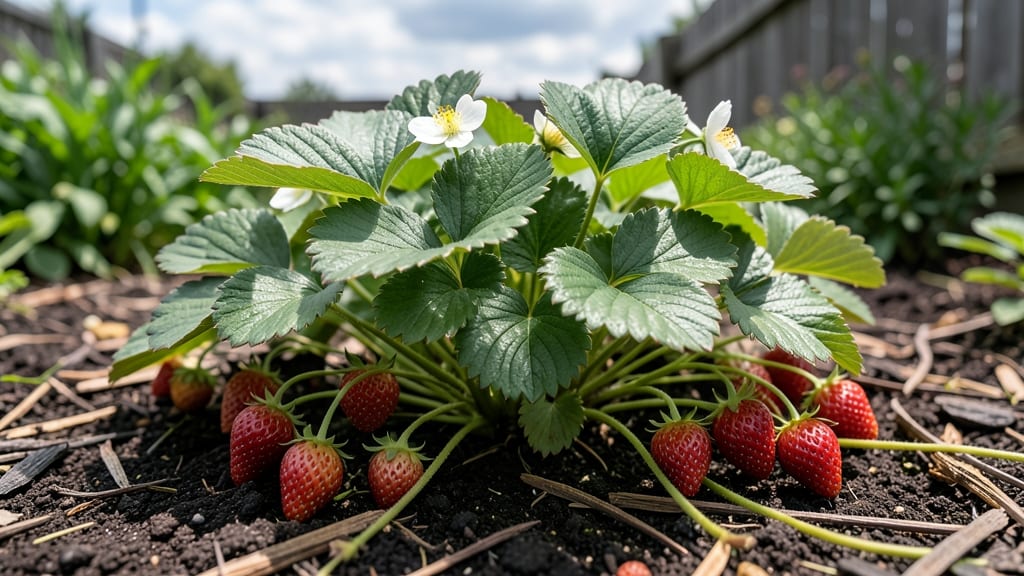
Mastering the strawberry plant requirements means giving your berries the perfect mix of sunlight, soil, and space—here’s how to do it right for a harvest that’ll make your neighbors jealous. 🌱 I’ve learned the hard way that skipping even one of these requirements means fewer berries, more pests, and plants that struggle to establish.
The good news? Meeting these needs isn’t complicated—just intentional.
Start with well-draining soil that’s slightly acidic (pH 5.5–6.8), mixed with compost for nutrients. Strawberries hate soggy roots, so raised beds or mounded rows work best in heavy clay. Space plants 12–18 inches apart in rows 3–4 feet apart—this prevents disease and gives berries room to plump up.
Water deeply once a week (more in heatwaves), keeping the soil moist but never waterlogged.
You’ll know you’ve got it right when runners (those little plant stems) spread 3–4 inches from the mother plant—that’s when you can safely separate them for new beds.
The first harvest arrives in 4–6 weeks after planting bare-root plants, and with proper care, your patch will produce for 3–5 years. The secret? Consistency in sunlight, soil health, and spacing.
For beginners, the biggest pitfalls are overcrowding (which invites rot) and inconsistent watering (leading to cracked berries). If your plants look leggy or produce tiny fruit, they’re begging for more sun or nutrients. Adjust gradually—strawberries reward patience with sweet, abundant harvests that taste nothing like store-bought.
📚 In This Guide
- What you need
- Instructions
- Tips and common mistakes
- Wrapping up and next steps
What you need
- ● Strawberry Plants: 10–20 plants (choose varieties like Albion, Chandler, or Seascape for your climate zone). Opt for bare-root or potted plants.
- ● Well-Draining Soil: A mix of 60% topsoil, 30% compost, and 10% perlite/sand (amend heavy clay or sandy soil). Test pH (ideal: 5.5–6.8).
- ● Fertilizer: Balanced 10-10-10 fertilizer (1 tbsp per plant at planting).
- ● Slow-release organic fertilizer (e.g., fish emulsion or composted manure) for ongoing growth.
- ● Mulch: 2–3 inches of straw, pine needles, or wood chips to retain moisture and suppress weeds.
- ● Watering System: Drip irrigation kit or soaker hoses (recommended for consistent moisture).
- ● Watering can (for small patches).
- ○ Support (Optional but Helpful): Strawberry jiffy strips or hanging baskets (for vertical growth).
- ● Small trellis or wire mesh to elevate plants and improve airflow.
- ● Sunlight: 6–10 hours of full sun daily (partial shade in hot climates).
- ● Spacing: June-bearing: 18–24 inches apart in rows 3–4 feet apart.
- ● Ever-bearing/day-neutral: 12–18 inches apart.
- ● Climate Considerations: Plant in spring (cool climates) or early fall (warm climates).
- ● Protect from frost (use row covers or move potted plants indoors).
- ● Pest/Disease Prevention: Neem oil or copper fungicide (for powdery mildew or pests).
- ● Row covers to deter birds and insects.
Step-by-Step guide to meeting strawberry plant requirements
Here's how to set up your strawberries for maximum fruit production—no guesswork involved.
☀️ Step 1: Choose the Perfect Sunlight Spot
Strawberries thrive with 6-10 hours of direct sunlight daily. I always pick the sunniest corner of my garden because even 4 hours of shade reduces fruit quality and quantity. Look for a location where plants get morning sun and afternoon light—this prevents afternoon heat stress during summer.
If you're planting in containers, position them where they'll receive full sun exposure from dawn until at least 2 PM. You'll notice the leaves stay deep green and crisp rather than yellowing or curling, which signals insufficient light. For northern climates, a south-facing exposure works best.
🌱 Step 2: Prepare Soil with Ideal Drainage and Nutrients
Strawberries demand well-draining soil with a slightly acidic pH (5.5-6.8). I mix equal parts garden soil, compost, and coarse sand to create the perfect texture. The sand prevents compaction while the compost provides essential nutrients like nitrogen, phosphorus, and potassium. Test your soil's pH before planting—you can adjust it with sulfur or lime if needed.
Work the soil to a depth of 12 inches, removing any rocks or debris that could impede root growth. Strawberries have shallow roots, so the top 6 inches of soil need to be particularly rich. Amend the soil with a balanced organic fertilizer (10-10-10 ratio) at planting time. You'll see healthier foliage and larger berries when the soil is properly prepared.
🪴 Step 3: Space Plants Correctly for Airflow and Growth
Spacing strawberries properly prevents disease and encourages strong root systems. For June-bearing varieties, space plants 18-24 inches apart in rows 3-4 feet apart. Ever-bearing and day-neutral varieties can be planted 12-18 inches apart since they produce smaller plants. Crowding leads to poor airflow, which invites fungal diseases like gray mold.
If you're planting in containers, use one plant per 6-inch pot or two plants per 10-inch pot. Ensure each pot has drainage holes to prevent root rot. The key is giving each plant enough room to spread its runners without competing for nutrients. You'll notice healthier plants with fewer pests when spacing is correct.
💧 Step 4: Water Consistently Without Overdoing It
Strawberries need 1-1.5 inches of water per week, either from rainfall or irrigation. I water deeply 2-3 times per week rather than daily shallow watering, which encourages deep root growth. Water at the base of the plant in the morning to reduce evaporation and fungal risks. Avoid wetting the leaves, as this promotes disease.
Mulch with 2-3 inches of straw or wood chips to retain moisture and suppress weeds. The mulch also protects berries from soil-borne diseases. You'll know your watering is right when the soil feels moist but not soggy down to 2 inches deep. Overwatering causes root rot, while underwatering leads to small, bland berries.
✂️ Step 5: Prune and Maintain for Continuous Production
Remove weeds and grass within a 12-inch radius of each plant to reduce competition. For June-bearing varieties, cut back old leaves after harvest to encourage new growth. Ever-bearing and day-neutral types benefit from removing spent flowers to prolong fruiting. Prune runners (if desired) to redirect energy into fruit production rather than new plants.
Fertilize lightly every 4-6 weeks during the growing season with a low-nitrogen, high-potassium fertilizer (like 5-10-10) to boost fruit production. You'll see stronger plants with larger, sweeter berries when you maintain them properly. Harvest berries when they're fully red and slightly soft to the touch—this ensures peak flavor.
Tips & tricks for perfect strawberry plant setup
These practical strategies ensure your strawberries get the ideal growing conditions for a bountiful harvest.
Sunlight Strategy: In Step 1, when selecting your sunlight spot, pay special attention to late afternoon sun exposure—those final hours before sunset are critical for photosynthesis. I've found that plants receiving morning sun plus afternoon light (after 2 PM) produce berries with the most intense flavor. If you're in a hot climate, consider providing afternoon shade during peak summer months to prevent heat stress while still maintaining those essential 6-10 hours of sunlight.
Soil Preparation Insight: For Step 2, when mixing your soil, don't skip the sand component—it's what prevents compaction that can suffocate those shallow strawberry roots. I've learned this the hard way after seeing plants struggle in dense soil. Also, consider adding a handful of coffee grounds to your compost mix for an extra boost of nitrogen. The slightly acidic pH (5.5-6.8) is non-negotiable, so if your soil tests higher, work in sulfur gradually over time rather than all at once.
Spacing Secret: In Step 3, when planting June-bearing varieties, I recommend the wider 24-inch spacing between plants and 4-foot row spacing. This might seem excessive, but it creates the airflow needed to prevent fungal diseases like gray mold. For container gardening, remember that one plant per 6-inch pot gives each plant enough room to develop strong roots without competition. You'll notice the difference in plant vigor and fruit quality when spacing is correct.
Watering Wisdom: For Step 4, the 1-1.5 inches of water per week guideline is perfect, but timing matters just as much. I've found that watering in the early morning (before 9 AM) gives plants time to dry out during the day, reducing fungal risks. When checking soil moisture, press your finger 2 inches deep—if it feels dry, that's your cue to water. The mulch layer of 2-3 inches isn't just for moisture retention; it also keeps berries clean and protected from soil-borne diseases.
Pro Tips for Strawberry Plant Requirements
- These practical strategies ensure your strawberries get the ideal growing conditions for a bountiful harvest.
- Sunlight Strategy: In Step 1, when selecting your sunlight spot, pay special attention to late afternoon sun exposure—those final hours before sunset are critical for photosynthesis.
- Soil Preparation Insight: For Step 2, when mixing your soil, don't skip the sand component—it's what prevents compaction that can suffocate those shallow strawberry roots.
Frequently asked questions
Got questions about growing juicy, sweet strawberries? You’re not alone—here are the answers to the most common concerns!
How much sunlight do strawberries really need?
Strawberries thrive in 6 to 10 hours of direct sunlight daily. While they can tolerate partial shade (especially in hot climates), too little light leads to smaller berries and fewer fruits. Place them in a spot with morning sun and afternoon shade if your region gets scorching afternoons.
When is the best time to plant strawberries?
The ideal planting window is spring (after the last frost) or early fall—about 4–6 weeks before the first frost. Bare-root plants need time to establish roots before winter, while container-grown strawberries can be planted slightly later. Pro tip: Avoid planting in extreme heat or cold!
Can I grow strawberries in containers or do they need a garden bed?
Strawberries love containers—just ensure pots are at least 6 inches deep with drainage holes. Use well-draining soil and space plants 12–18 inches apart. Containers are great for small spaces, balconies, or urban gardens. Bonus: They’re easier to protect from pests!
Why are my strawberry leaves turning yellow or brown?
Yellow leaves often signal overwatering, nutrient deficiency (like nitrogen), or fungal diseases. Brown edges? It could be underwatering or salt buildup. Check soil moisture (top inch should dry slightly between waterings) and inspect for pests like slugs or aphids. Adjust care and prune damaged leaves to help recovery.
How do I extend my strawberry harvest season?
Plant everbearing or day-neutral varieties for multiple harvests. Use row covers in early spring to warm soil and protect flowers, or black plastic mulch to extend the season. Succession planting (adding new plants every few weeks) can also spread out your berry bounty!
Wrapping up and next steps
Growing lush, productive strawberry plants is all about meeting their basic needs—sunlight, well-draining soil, and proper spacing. With the right care, you’ll soon be rewarded with juicy, sweet berries that make every effort worthwhile! 🍓✨
Now that you’re armed with the secrets to success, why not take the next step? Start by prepping your garden bed or containers, then plant your strawberries with confidence. Happy gardening—your future harvest is waiting!