
Planting
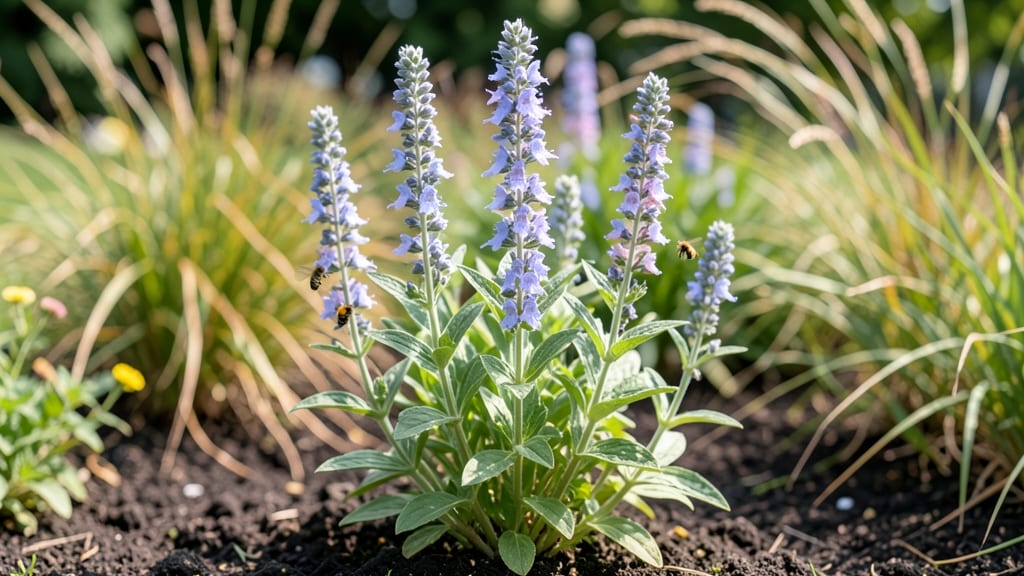
Growing the tallest Veronica (Speedwell) plants 🌸 means reaching for heights up to 6 feet—but only if you nail the soil, sunlight, and pruning.
If you’ve ever watched your Veronica plants max out at 3 feet instead of towering over your garden, you’re not alone. The difference between a mid-height shrub and a dramatic vertical statement often comes down to a few key adjustments—like staking, deadheading, and feeding at the right times.
In this guide, I’ll walk you through the exact conditions—from well-draining soil to strategic sunlight exposure—that turn your Veronica into a 6-foot spike of color. Whether you’re growing Veronica longifolia or Veronica spicata, these tips will help you avoid leggy stems and weak growth.
Ready to transform your garden? You’ll discover how to prune for height, support floppy stems, and time your watering for maximum growth—so your Veronica plants become the star of your landscape.

Top 3 tallest Veronica species and their peak heights
If you're chasing that vertical garden drama, the tallest Veronica species deliver breathtaking height with minimal fuss. These perennials can reach 4 to 6 feet when given the right conditions—think full sun exposure, well-draining soil, and consistent care.
The key to maximizing their height lies in choosing the right variety and understanding their unique growth habits.
Among the tallest, Veronica longifolia (great speedwell) and Veronica spicata (spiked speedwell) are standouts, but Veronica gentianoides (wood speedwell) also offers impressive height with a different growth pattern.
Each thrives in specific climates, so let’s break down their peak heights, ideal growing zones, and the secrets to pushing them to their limits.
Comparison table visual element begins here:
| Species | Peak Height | Growth Habit | Ideal Climate | Bloom Time |
|---|---|---|---|---|
| Veronica longifolia | 4–6 ft | Upright, clumping | USDA Zones 4–8 | Mid to late summer |
| Veronica spicata | 2–4 ft | Clumping, dense spikes | USDA Zones 3–9 | Late spring to early summer |
| Veronica gentianoides | 3–5 ft | Woodland, semi-evergreen | USDA Zones 4–8 | Early to mid summer |
First up is Veronica longifolia, the undisputed champion for height among Veronica species. This perennial powerhouse can reach up to 6 feet when planted in well-draining, slightly alkaline soil with full sun exposure.
Its upright, clumping growth habit makes it perfect for borders or as a dramatic backdrop in cottage gardens. In cooler climates like USDA Zones 4–8, it thrives with minimal fuss, though it may need winter mulch in Zone 4.
For Veronica spicata, the focus shifts to dense, spiky flower clusters that add texture and height up to 4 feet. Unlike its taller cousin, this variety blooms earlier—late spring to early summer—and handles drought conditions better, making it ideal for xeriscaping or low-maintenance gardens.
Its clumping habit also makes it great for rock gardens or container plantings where you want controlled height.
Veronica gentianoides brings a woodland charm with its semi-evergreen foliage and 3–5 foot height. This variety loves partial shade and moist, well-draining soil, thriving in USDA Zones 4–8 where winters are cold but not extreme. Its early summer blooms provide a striking contrast to spring ephemerals, making it a garden staple for shade lovers.
To push any of these to their maximum height potential, prioritize full sun exposure (at least 6 hours daily) and regular deadheading to encourage new growth. Veronica longifolia and Veronica gentianoides benefit from light fertilization in spring, while Veronica spicata prefers leaner soil to prevent flopping.
Avoid overwatering—well-draining soil is critical to prevent root rot and stunted growth.
One common mistake gardeners make is planting in heavy clay soil, which can limit root development and reduce height. Amend your soil with compost or sand to improve drainage, especially for Veronica longifolia.
If you’re in a hot, humid climate, provide afternoon shade to prevent leaf scorch while still maximizing sun exposure for height.
For container growing, choose large pots with drainage holes and use a lightweight potting mix. Veronica spicata works beautifully in hanging baskets or tall planters, while Veronica longifolia may need staking to support its towering spikes.
In containers, water more frequently—every 3–5 days—to prevent soil from drying out completely.
If you’re after year-round interest, pair Veronica gentianoides with evergreen shrubs like boxwood or hemlock. Its semi-evergreen foliage adds structure even when not in bloom, while Veronica longifolia pairs well with ornamental grasses like Panicum virgatum for a bold, textural display.
How to maximize Veronica plant height with pruning and support
To coax your Veronica plants into reaching their maximum height potential, focus on two key strategies: pruning techniques and structural support. Many gardeners underestimate how much a simple deadheading routine or staking method can transform floppy stems into towering 6-foot spikes.
I’ve learned through trial and error that timing and technique make all the difference—especially during the blooming season.
Start by understanding that Veronica longifolia and Veronica spicata grow best when you encourage vertical growth rather than letting them sprawl. The secret lies in pruning at the right time—not too early, not too late—and providing support structures before stems become top-heavy.
I’ll walk you through my proven step-by-step approach that’s helped my plants reach their peak heights consistently.
Step-by-Step Guide to Maximizing Veronica Height
Remove spent blooms every 7-10 days during peak bloom (June-August) to redirect energy to stem elongation. Use clean pruning shears and cut just above the next set of leaves.
Place bamboo stakes or flower rings at planting (March-April) before stems reach 12 inches. Tie stems gently with soft plant ties to prevent stem breakage during wind.
After first flush of blooms (late June), trim 1/3 of stem height to encourage secondary branching. This creates a fuller, stronger base for taller growth.
In early fall (September), cut back woody stems by half their height to prevent winter damage. This also stimulates new growth next spring.
Too much nitrogen fertilizer produces leafy growth at the expense of stem strength. Use a balanced 10-10-10 formula sparingly (every 6-8 weeks).
One of the biggest growth mistakes I see is pruning too late in the season. If you wait until August or September to cut back, you’ll stunt new growth before winter.
Instead, plan your pruning schedule around your local frost dates—aim to finish major cuts 6 weeks before first frost.
For extra-tall varieties like Veronica longifolia, I’ve found that mulching with compost in early spring gives stems a nutrient boost without overfeeding. Pair this with morning watering (before 10 AM) to prevent fungal issues that weaken stems.
With these techniques, my Veronica plants now regularly hit 5-6 feet by midsummer!
Remember, patience is key—these plants grow fastest in USDA Zone 6a with 4-6 hours of sunlight. If your stems still flop over, check your support system and watering consistency. With the right care, your Veronica garden will become the tallest, showiest feature in the backyard! 🌿