
Planting
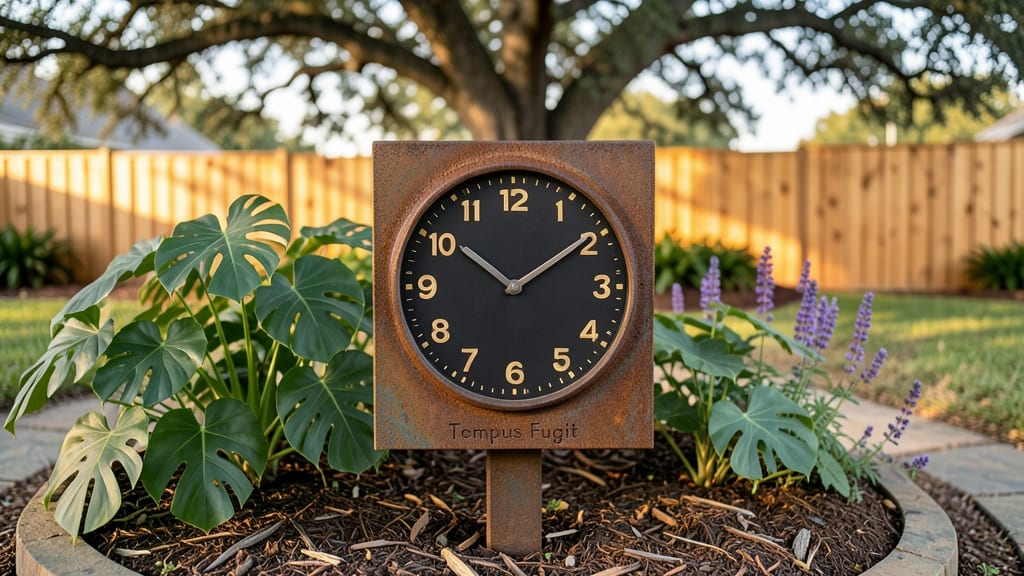
The time zone in Houston, Texas right now is Central Time (CT), currently observing Central Daylight Time (CDT) with a UTC offset of -5 hours during daylight saving time (DST) or Central Standard Time (CST) with a UTC offset of -6 hours when DST ends.
Houston's time zone follows the same rules as the rest of Texas, which means it switches between CST and CDT automatically—no manual adjustments needed. 🌞 This alignment with neighboring states like Louisiana and Arkansas ensures consistency for travel, shipping, and even planting schedules, since daylight hours directly impact garden productivity.
The transition happens at 2:00 AM local time on the second Sunday of March (spring forward) and the first Sunday of November (fall back), matching the national DST schedule.
For real-time verification, I recommend using trusted sources like Google's time zone tool or the TimeandDate.com website, which automatically account for DST changes. Many smartphones also sync time zones automatically, but it's worth double-checking if you're coordinating across multiple time zones—especially when planning outdoor activities that depend on sunlight duration.
💡 In This Article
- Central Time Zone Rules and Daylight Saving Exceptions
- How to Check Houston's Current Time Accurately
Central time zone rules and daylight saving exceptions
Houston's placement in the Central Time Zone (CT) stems from a 19th-century railroad standardization effort. When railroads expanded across the U.S., cities needed uniform timekeeping to coordinate schedules. Houston, like most of Texas, adopted Central Time in 1890, aligning with neighboring states like Louisiana and Arkansas.
This decision was practical—sharing a time zone with trading partners simplified commerce and communication. Even though Houston sits just 150 miles from the Mexican border (which uses Central Standard Time year-round), Texas has never adopted Mexico's time zone policy.
The daylight saving time (DST) transition in Houston follows federal guidelines: clocks move forward 1 hour at 2:00 AM on the second Sunday of March (spring forward) and back 1 hour on the first Sunday of November (fall back).
During DST, Houston operates on Central Daylight Time (CDT) with a UTC offset of -5 hours, while standard time (CST) shows -6 hours. This automatic adjustment happens via computer systems and smart devices, eliminating manual changes.
The only exception is for businesses or organizations with legacy systems that might require manual overrides.
What makes Houston's time zone unique is its consistency with the broader U.S. network. Unlike some border regions (e.g., Arizona, which doesn’t observe DST), Texas adheres to the national schedule. This uniformity is critical for industries like aviation, where Houston's Bush Intercontinental Airport relies on synchronized clocks for flight operations.
Even gardeners benefit—knowing exact daylight hours helps plan planting schedules, as sun exposure varies by 1-2 hours between CST and CDT.
Historically, Texas considered splitting into two time zones (Central and Mountain) to better align with its western regions, but political and logistical challenges kept it unified. Today, the state’s time zone boundaries are clearly defined by the U.S. Department of Transportation, ensuring no ambiguity for residents or visitors.
The only gray area involves time zone confusion near the Louisiana border, where some cities (like Shreveport) observe Central Time, while others (like Monroe) might lean toward Eastern Time—but Houston remains firmly in CT.
For travelers, this means Houston’s time zone is identical to cities like Dallas, New Orleans, and Memphis. The lack of border exceptions simplifies coordination, whether you're catching a flight or scheduling a cross-state delivery. Even the Houston Astros’ game times reflect this consistency—no last-minute adjustments for time zone shifts.
The only variable is daylight saving time, which affects sunrise/sunset times by about 1 hour, influencing everything from outdoor work to evening events.
One often-overlooked detail is how time zones impact Houston’s climate perception. During CDT, the "official" day feels longer, but the actual daylight duration remains the same—just shifted. This can trick gardeners into thinking they have more growing time, leading to misjudged planting windows.
Always verify the current UTC offset (via tools like time.gov) to avoid scheduling conflicts, especially when coordinating with international partners or time-sensitive projects.