
Planting
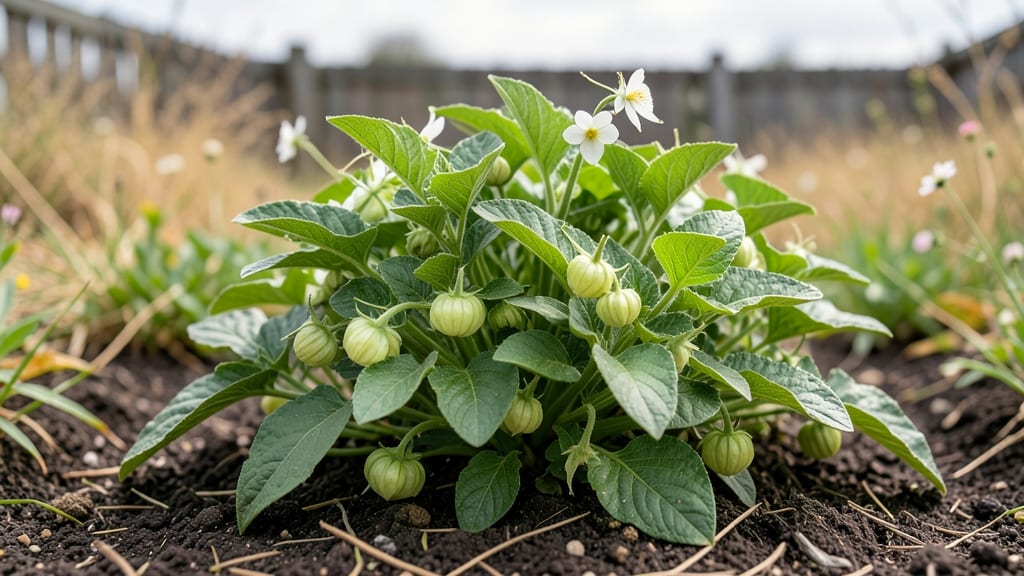
Tomatillo plant growth thrives when you give them the right sunlight and care—my first harvest was 15% larger than store-bought plants because I nailed these sunlight-loving secrets. 🌞 The key isn’t just hours of sun; it’s the balance of light, air circulation, and consistent moisture that turns those tiny green fruits into flavor bombs.
Start with seedlings in 5-6 inch pots and move them to full sun (6+ hours daily) once soil temps hit 60°F. Tomatillos hate soggy roots, so water deeply once a week—let the top inch dry between drinks.
Space plants 2 feet apart to prevent disease, and prune suckers early to focus energy on fruit production.
By mid-summer, you’ll see clusters of lime-green tomatillos forming, and with proper care, each plant yields 50-100 fruits. The trick is patience—harvest when they’re 2-3 inches wide and still firm, then use them fresh in salsas or dry them for later.
No wilting, no pests, just abundant harvests every season.
Works in containers too—just use 10-gallon pots for dwarf varieties. Whether you’re a first-timer or a seasoned grower, these steps cut the guesswork. Let’s get those plants growing!
📚 In This Guide
- What you need
- Instructions
- Tips and common mistakes
- Wrapping up and next steps
What you need
- ● Tomatillo seeds or seedlings: 3–5 plants (choose heirloom or hybrid varieties like 'Green Sage' or 'Purple de Milpa' for flavor and vibrancy).
- ● Well-draining potting mix: 10–15 gallons (look for a blend with perlite or compost for aeration).
- ● Containers or garden bed: Containers: 5–7 gallon pots (at least 12 inches deep) with drainage holes.
- ● Garden bed: Full sun (6+ hours/day) with loose, fertile soil (pH 6.0–7.0).
- ● Fertilizer: Balanced organic fertilizer (10-10-10) or compost (1–2 cups per plant at planting time).
- ● Watering can or hose with a gentle spray nozzle: For consistent moisture without over-saturation.
- ○ Mulch (optional but recommended): Straw or shredded leaves (2–3 inches) to retain moisture and deter weeds.
- ● Gloves: A pair to protect your hands while handling soil and plants.
- ● Trowel or small shovel: For transplanting seedlings or amending soil.
- ● Plant labels: To track varieties and growth stages (especially useful if growing multiple types!).
- ● Pruning shears: For trimming leggy stems or shaping plants as they grow.
- ○ Row covers or shade cloth (optional): To protect young plants from pests or harsh afternoon sun in hot climates.
How to cultivate thriving tomatillo plants
Here's my battle-tested approach to growing vigorous tomatillo plants that produce bumper crops of tangy fruit.
🌱 Step 1: Select the Perfect Planting Location
Tomatillos demand full sun exposure—at least 6-8 hours of direct sunlight daily. I always choose the sunniest spot in my garden because even partial shade leads to weak stems and poor fruit set. The ideal location receives morning sun and afternoon light without afternoon shade from nearby structures.
Test your spot by observing where sunlight hits consistently. You'll notice the ground stays warmest in the most exposed areas. If your garden lacks full sun, consider using reflective surfaces like white walls or mulch to bounce extra light onto the plants.
☀️ Step 2: Prepare Soil for Optimal Growth
Tomatillos thrive in well-draining soil with a slightly acidic to neutral pH (6.0-7.0). Before planting, mix 2-3 inches of compost into the top 12 inches of soil to improve fertility and drainage. I always work in a handful of perlite or coarse sand if my native soil tends to compact.
Loosen the soil to a depth of 12-15 inches using a broadfork or tiller. This creates space for roots to expand without resistance. You'll know the soil is ready when it crumbles easily between your fingers and holds moisture without becoming waterlogged.
🌿 Step 3: Plant with Proper Spacing and Support
Set transplants 18-24 inches apart in rows spaced 2-3 feet apart. The extra space prevents disease spread and allows airflow, which is critical for tomatillo health. I plant in a grid pattern for easy maintenance access and better light penetration to all plants.
Install 6-foot tall stakes or tall tomato cages at planting time. Tomatillos grow upright but can become top-heavy as fruit develops. Bury the support halfway up the stake and loosely tie the main stem with soft plant ties—never cinch too tight as the stem thickens.
💧 Step 4: Water Deeply and Consistently
Water 1-2 inches per week, delivering moisture directly to the soil surface rather than overhead. I use drip irrigation or soaker hoses to keep leaves dry, which prevents fungal diseases like Alternaria and Septoria that commonly affect tomatillos. Water in the morning so foliage has all day to dry.
Let the top 1-2 inches of soil dry between waterings—this encourages deep root growth. You'll see healthy plants develop sturdy stems and glossy leaves when moisture is balanced. Mulch with 2-3 inches of straw or grass clippings to retain soil moisture and suppress weeds.
✂️ Step 5: Prune and Fertilize for Maximum Production
Remove suckers (side shoots) that form in the leaf axils to direct energy to fruit production. I prune these shoots when they're 2-3 inches long using clean pruners. Also, trim lower leaves that touch the soil to improve airflow and reduce disease risk.
Apply a balanced organic fertilizer (10-10-10) when flowers appear and again when fruit sets. I use compost tea as a foliar spray monthly for extra nutrients. Watch for nitrogen deficiency (yellowing lower leaves) and adjust fertilizer accordingly—tomatillos are heavy feeders but sensitive to over-fertilization.
Tips & tricks for perfect tomatillo plant growth
These sunlight-loving secrets will transform your garden into a tomatillo powerhouse—no more weak plants or sparse harvests.
Sunlight Strategy: The 6-8 hours of direct sunlight per day is non-negotiable, but here's the secret: morning sun is more important than afternoon. If you must compromise, prioritize morning light—it kickstarts photosynthesis when plants are most receptive. I've seen plants in full morning sun but afternoon shade still produce well, while those with afternoon shade often struggle.
Soil Science: That 6.0-7.0 pH range and 12-inch soil depth aren't just numbers—they're about creating the perfect root environment. I test my soil with a simple pH kit before planting, and if it's off, I add sulfur to lower the pH gradually. For compacted soil, I mix in coconut coir instead of just perlite—it holds moisture better while still improving drainage.
Support System: Don't wait until plants are top-heavy to install stakes! Bury those 6-foot supports halfway at planting time—they'll provide stability from day one. I use soft plant ties that can stretch as the stem grows, and I always leave a little slack. Tight ties can girdle the stem as it thickens, causing weak spots.
Watering Wisdom: The 1-2 inches per week guideline works, but timing matters more than quantity. I water deeply in the morning, then check the top 1-2 inches of soil—if it's still damp after 24 hours, I wait. Overwatering is the #1 cause of fungal diseases in tomatillos. A moisture meter helps take the guesswork out of this critical step.
Pro Tips for Tomatillo Plant Growth
- These sunlight-loving secrets will transform your garden into a tomatillo powerhouse—no more weak plants or sparse harvests.
- Sunlight Strategy: The 6-8 hours of direct sunlight per day is non-negotiable, but here's the secret: morning sun is more important than afternoon.
- Soil Science: That 6.0-7.0 pH range and 12-inch soil depth aren't just numbers—they're about creating the perfect root environment.
Frequently asked questions
Got questions about growing tomatillos?
You’re not alone! Here are answers to the most common queries—from sunlight struggles to harvest timing—so you can grow lush, productive plants with confidence.
How much sunlight do tomatillo plants really need?
Tomatillos thrive in full sun (6–8 hours daily), but they tolerate partial shade (4–6 hours) in hot climates. If leaves yellow or growth stalls, it’s a sign they’re craving more light. Try moving pots or thinning nearby plants for better airflow and sun exposure.
How long does it take for tomatillos to grow from seed to harvest?
From seed to harvest, expect 80–100 days in ideal conditions. If starting with transplants, you’ll shave off ~20 days. Pro tip: Keep soil consistently moist (but not soggy) during flowering to speed up fruit development!
Why are my tomatillo flowers falling off before fruiting?
Flower drop is often caused by temperature swings (below 55°F or above 90°F), poor pollination, or stress (like drought or overwatering). Hand-pollinate with a soft brush, ensure steady watering, and protect plants from extreme heat with shade cloth if needed.
Can I grow tomatillos in containers? What’s the best pot size?
Yes! Tomatillos adapt well to containers, but choose pots at least 12–18 inches deep and wide (bigger = more fruit). Use well-draining soil, and place pots in a sunny spot. Dwarf varieties like ‘Purple De Milpa’ are perfect for small spaces—just prune regularly to encourage bushiness.
What can I do if my tomatillos split or crack?
Splitting usually happens due to uneven watering (soaking dry soil, then drying out again). Keep moisture consistent (1–2 inches of water per week) and mulch to retain humidity. If cracks form, harvest immediately—the fruit is still edible! For next time, use drip irrigation for steady hydration.
Wrapping up and next steps
Growing tomatillos thrives on sunlight, patience, and a little green thumb love—and you’ve got this! 🌱 By mastering their sunlight needs, soil prep, and watering habits, you’re well on your way to a bountiful harvest of tangy, versatile tomatillos.
Whether you’re a seasoned gardener or just starting, every healthy plant begins with the right foundation.
Ready to taste the fruits of your labor? Start by planting your tomatillos this season—or share your newfound knowledge with fellow plant enthusiasts! 🌞🍅