
Planting
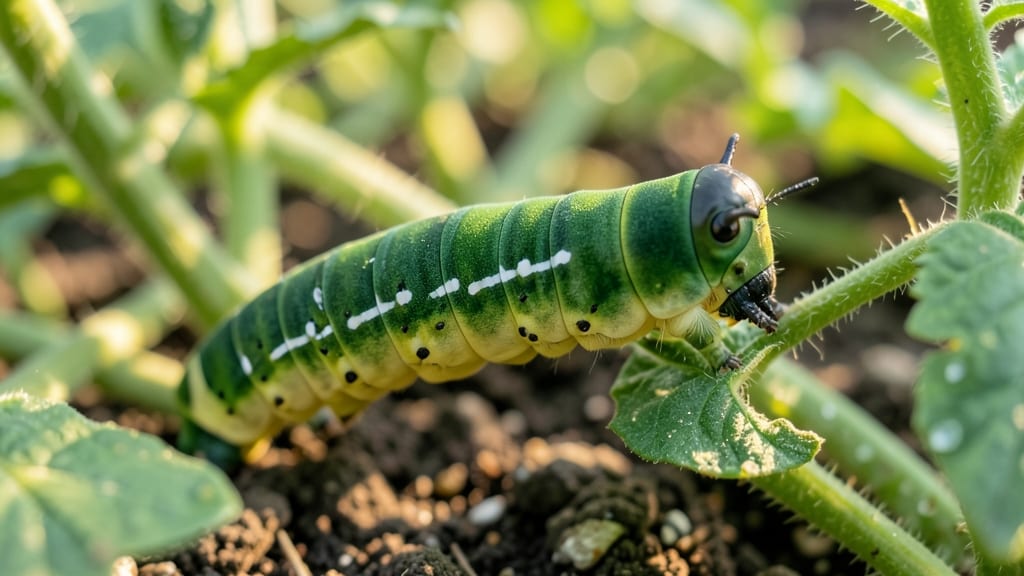
Tomato plant insect pests can turn your lush vines into a buffet for hungry bugs—until you know how to fight back. 🌱 I've battled everything from tiny aphids to massive hornworms, and these organic sprays saved my harvest when store-bought chemicals failed.
The key is acting fast when you spot curled leaves, sticky residue, or sudden wilting. Most pests target stressed plants, so healthy soil and proper watering cut their advantage in half. My go-to spray mixes take 10 minutes to make and work within days—not weeks.
You'll see fewer holes in leaves, more pollinators visiting, and tomatoes that keep growing instead of getting eaten alive. These recipes work for greenhouse tomatoes, container plants, and backyard beds alike.
No more losing half your crop to pests—just a simple spray bottle and ingredients you can find at the grocery store. Let's get your tomatoes thriving again.
First, identify the culprit: aphids cluster on new growth, hornworms leave skeletonized leaves, and whiteflies flutter when you shake the plant. Each pest needs a slightly different approach, but the foundation is the same—soapy water or neem oil as your first line of defense.
I'll walk you through the exact mixes that stop infestations before they spiral out of control. The best part? These sprays won't harm beneficial insects like ladybugs or bees when used correctly. You'll protect your tomatoes while keeping your garden's ecosystem balanced.
No more guessing—just science-backed solutions that actually work in real-world conditions.
Whether you're dealing with a sudden outbreak or just want to prevent future problems, these recipes adapt to your garden's needs. Container growers can use diluted versions, while large plots might need stronger concentrations. The goal is always the same: healthy plants that produce more tomatoes, not more pests.
Root Causes Of Tomato Pest Attacks
Tomato plants are a magnet for insect pests—not because they’re weak, but because they’re nutrient-rich, tender, and abundant. Understanding why these pests target your tomatoes is the first step to outsmarting them. Below, we break down the key triggers that turn your garden into an all-you-can-eat buffet for bugs.
When tomato plants are crowded or nutritionally stressed, their defenses weaken, making them easier prey. Here’s how it happens:
- Poor air circulation: Dense foliage traps moisture, creating a humid microclimate that hornworms, aphids, and whiteflies love. Stagnant air also slows down the plant’s ability to heal minor damage.
- Nutrient deficiencies: Plants low in nitrogen (N) or potassium (K) produce weaker stems and thinner leaves—perfect for pests like tomato fruitworms to chew through. A soil test can reveal imbalances before pests do.
- Water stress: Overwatering or drought weakens cell walls, making plants more susceptible to spider mites (which thrive in dry conditions) or slugs (which target wilted, soft tissue).
Actionable fix: Space plants 18–24 inches apart, mulch to retain moisture, and use balanced organic fertilizer (like compost tea or fish emulsion) to boost resilience.
Unripe tomatoes are tough and unappetizing to most pests, but the moment they turn red or soften, they become a buffet. Here’s the science:
- Sugar content spikes: As tomatoes ripen, their sucrose levels rise, attracting fruit flies, beetles, and earwigs drawn to the sweetness.
- Skin softens: The cuticle layer (the plant’s protective waxy coating) breaks down, making it easier for hornworms and stink bugs to pierce the fruit.
- Fermentation signals: Overripe or damaged tomatoes release volatile organic compounds (VOCs), which act like insect pheromones, calling in more pests.
Actionable fix:
- Harvest tomatoes as soon as they’re mature (even if not fully red).
- Use row covers or yellow sticky traps to catch fruit flies early.
- Pick off damaged fruit immediately—don’t leave it on the vine.
Tomatoes aren’t the only plants in your garden that pests love. If you’re growing companion plants incorrectly, you’re essentially luring pests to your tomatoes. Here’s how:
| Pest | Attractive Host Plants | Why It Happens |
|---|---|---|
| Colorado potato beetles | Potatoes, eggplants, peppers | These beetles prefer Solanaceae family plants (tomatoes are part of this group). If nearby, they’ll spill over to your tomatoes. |
| Aphids | Basil, marigolds, dill | Aphids are drawn to herbs with soft stems and sweet sap. Once established, they’ll move to tomatoes. |
| Whiteflies | Cucumbers, squash, melons | These pests thrive in warm, humid conditions and feed on sap. Cucurbits (like zucchini) often harbor them first. |
Actionable fix:
- Space high-risk plants far apart (at least 5–10 feet from tomatoes).
- Use repellent companions like basil, garlic, or nasturtiums (they mask tomato scents).
- Monitor early-season pests in other plants—intervene before they migrate.
Pests don’t just show up—they’re invited by the weather. Tomato plants are especially vulnerable during:
- Hot, dry spells:
- Spider mites and thrips explode in numbers when humidity drops below 40%.
- Plants wilt under stress, making them easier targets for cutworms.
- Cool, wet springs:
- Fungal gnats and slugs thrive in moist soil.
- Slow-growing seedlings attract aphids, which reproduce rapidly in damp conditions.
- Sudden temperature swings:
- Pests like stink bugs and hornworms become more active when nights are warm but days are hot.
- Plants struggle to photosynthesize, weakening their natural pest resistance.
Actionable fix:
- Use drip irrigation to keep soil moist but foliage dry (reduces fungal gnats and mites).
- Apply mulch to regulate soil temperature and retain moisture.
- Set up shade cloth during extreme heat to prevent stress.
Now that you know why pests target your tomatoes, the next step is how to fight back—and we’ve got organic spray recipes that actually work coming up next! 🚀
Quick Fixes for Common Tomato Bugs
When those pesky critters start munching on your tomato plants, you don’t need to panic—just act! Below are practical, organic solutions tailored to the most common tomato plant insect pests. Each fix is paired with prevention tips to keep your garden thriving long-term.
🔥 Cause: These striped caterpillars devour leaves overnight, leaving behind skeletonized foliage. 🍳 Fix:
- Handpick them! 👨🍳 Check leaves daily (especially in the morning) and drop hornworms into soapy water.
- Introduce predators: Ladybugs, parasitic wasps, and praying mantises love them—plant dill, fennel, or marigolds nearby to attract these helpers.
- Neem oil spray: 🌿 Mix 1 tbsp neem oil + 1 tsp mild soap + 1 quart water, spray undersides of leaves where eggs are laid.
💡 Prevention Tip: Rotate crops—don’t plant tomatoes in the same spot yearly. Use row covers early in the season to block moths.
🔥 Cause: Tiny white moths cluster on undersides, sucking sap and leaving a sticky honeydew that attracts mold. 🍳 Fix:
- Yellow sticky traps: Hang yellow cards coated with petroleum jelly near plants to trap adults.
- Blast them off: 💦 Use a strong spray of water (early morning) to dislodge them before they fly.
- Insecticidal soap: 🧼 Mix 2 tbsp castile soap + 1 quart water, spray directly on undersides (avoid flowers to protect bees).
💡 Prevention Tip: Reflective mulch (aluminum foil or silver plastic) confuses whiteflies—try wrapping it around plant bases.
🔥 Cause: Green, black, or white aphids cluster on new growth, curling leaves and spreading viruses. 🍳 Fix:
- Blast with water: 💦 A sharp jet from a hose (early morning) knocks them off.
- Soap spray: 🧼 1 tsp castile soap + 1 quart water, spray all leaf surfaces (repeat every 3–4 days).
- Ladybug release: 🐞 Buy live ladybugs (available at garden centers) or plant alyssum, cosmos, or yarrow to attract them naturally.
💡 Prevention Tip: Encourage predatory wasps—they lay eggs inside aphids! Plant dill, parsley, or cilantro nearby.
🔥 Cause: Almost invisible mites spin webs, causing yellow stippling on leaves and stunted growth. 🍳 Fix:
- Neem oil spray: 🌿 1 tbsp neem oil + 1 tsp soap + 1 quart water, spray both sides of leaves (miticides hate this!).
- Horticultural oil: 🛡️ Apply early morning/late evening when mites are active (avoid hot days—it can burn plants).
- Predatory mites: 🕷️ Release Phytoseiulus persimilis (sold online)—they eat only spider mites.
💡 Prevention Tip: Keep plants hydrated! 💦 Spider mites thrive in dry conditions—water deeply 2–3 times a week.
🔥 Cause: These striped beetles (and their yellow larvae) defoliate plants—they’re immune to many sprays! 🍳 Fix:
- Handpick adults/larvae: 🔪 Drop them into soapy water (they multiply fast!).
- Diatomaceous earth: 🏖️ Sprinkle food-grade DE around plant bases—it dries out their waxy shells.
- Kaolin clay spray: 🧴 Mix 1 tbsp Surround WP + 1 gallon water, spray leaves to create a barrier they hate.
💡 Prevention Tip:* Remove egg clusters (tiny orange domes on undersides) before they hatch—check weekly!
✨ Plant companion flowers like marigolds, basil, or nasturtiums—they repel pests naturally. 🌡️ Rotate crops—don’t plant tomatoes in the same spot year after year. 🎯 Inspect plants daily—catch infestations early before they spread. 🔥 Encourage beneficial insects—let ladybugs, lacewings, and parasitic wasps set up shop!
🚀 Pro Tip: For stubborn infestations, combine methods—e.g., handpick hornworms while using neem oil to break their life cycle.
Frequently asked questions
How do I tell if my tomato plants have pests before the damage is severe?
Check for these early signs: sticky residue (aphid honeydew), tiny white moths fluttering when you shake leaves (whiteflies), or silver webbing on undersides (spider mites). Examine new growth daily—pests like hornworms lay eggs there first. A 10x magnifying glass helps spot tiny mites or eggs.
Can I use the same organic spray on all tomato pests?
No—neem oil works on aphids and spider mites but won't kill hornworms. For caterpillars, handpick first, then use Bt (Bacillus thuringiensis). Always test sprays on a small leaf area first. The key is matching the pest to the right organic weapon—like using kaolin clay for Colorado potato beetles.
Why do my organic sprays stop working after a few days?
Pests often develop resistance to single treatments. Rotate sprays (e.g., neem oil one day, insecticidal soap the next) and add predatory insects like ladybugs. Also, reapply after rain—most organic sprays wash off within 24 hours. For stubborn cases, combine physical removal (handpicking) with chemical-free methods.
Is it safe to spray tomatoes the day before harvesting?
Never spray within 24 hours of picking fruit—even organic sprays can leave residues. For immediate harvests, use physical barriers (row covers) or reflective mulch instead. Always check product labels for specific harvest intervals. The safest bet is to apply sprays in the morning and harvest in the evening.
What's the fastest way to get rid of slugs and snails on tomato plants?
Create a beer trap (bury a shallow dish filled with beer near plants—slugs drown in 30 minutes) or use copper tape around containers (the electric shock repels them). For organic control, sprinkle diatomaceous earth around plant bases at night when they're most active.