
Planting
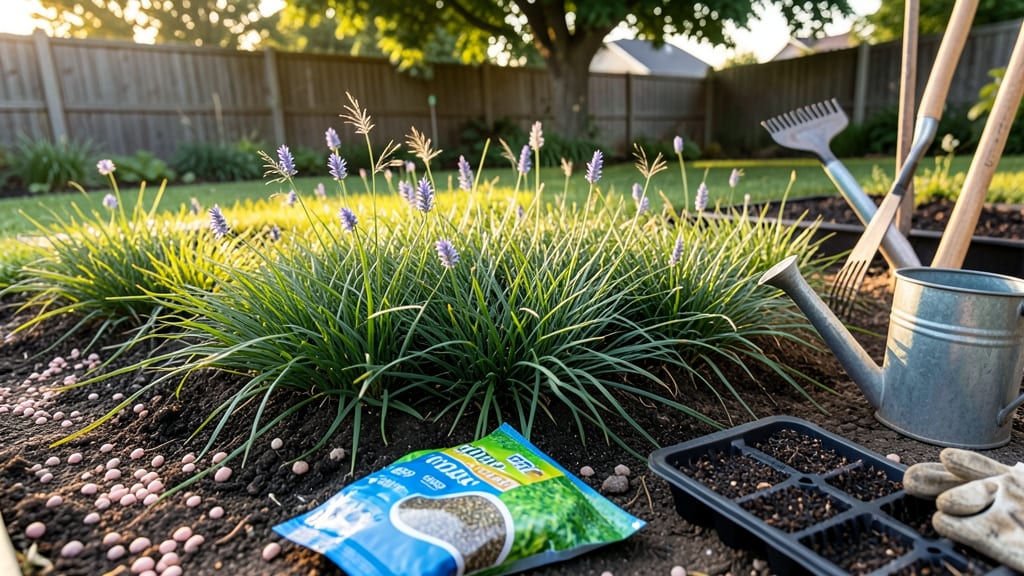
You can plant grass seed in Massachusetts when soil temperatures hit 50°F–65°F—a window that shifts with the seasons and your region’s microclimate.
Planting grass seed at the wrong time in Massachusetts can mean wasted money and months of waiting for that lush lawn—so knowing the exact soil temperature window is everything. Too early, and frost will kill your tender sprouts; too late, and summer heat dries them out before they take root.
This isn’t just about calendar months—it’s about the ground’s readiness. In USDA Zone 5b–7a, early spring (March–April) and fall (September–October) are your best bets, but coastal areas like Cape Cod warm faster than inland spots like Western Massachusetts.
A simple soil thermometer tells you when it’s perfect to plant, without guessing.
Below, I’ll break down the ideal timing by zone, how to prep your soil for success, and the grass seed types that thrive in Massachusetts’ climate—so you can skip the trial-and-error and get that green lawn growing strong.
Massachusetts grass seed planting timeline by soil temperature (not calendar months)
Massachusetts gardeners know timing is everything—especially when planting grass seed. Unlike calendar months, the real magic happens when your soil reaches the perfect temperature range of 50°F to 65°F. This window ensures strong germination and a lush lawn without waiting months for results.
But here’s the catch: Boston’s coastal climate behaves differently from Western MA’s inland zones or Cape Cod’s sandy soils, so one-size-fits-all advice fails.
Skipping soil temperature checks is a common mistake. Many homeowners plant too early in chilly March or too late in warm September, leading to weak sprouts or wasted seed. The key is testing your soil’s warmth before planting—no guesswork needed.
With a simple soil thermometer (just $10 at garden centers), you’ll know exactly when to act, saving time and money.
🌱 Did You Know? Grass seed needs consistent moisture and warmth to germinate. If soil temps drop below 50°F, seeds may rot; above 65°F, they dry out before sprouting. Massachusetts’ microclimates mean your neighbor’s perfect timing might be too early or late for you.
Spring planting in Massachusetts typically starts when soil hits 50°F—usually late April to early May in Boston but as early as early April in Western MA’s warmer zones. For fall, aim for 55°F–65°F, which often aligns with September to early October.
Cape Cod’s sandy soils warm quicker, so you might plant 2–3 weeks earlier than inland areas.
To test your soil temperature, insert a soil thermometer 2–3 inches deep (where seeds will be) and wait 5 minutes. Repeat at different spots—shady areas stay cooler, while sunny patches warm faster. If your reading is below 50°F, wait; above 65°F, your seeds may dry out before sprouting.
Regional variations matter. For example, tall fescue thrives in Western MA’s warmer springs but struggles in Boston’s cooler soils. Meanwhile, fine fescue handles Cape Cod’s sandy, fast-draining conditions better. Always check seed packets for MA-specific recommendations—some blends are formulated for your zone.
Pro tip: Mulch lightly with straw after planting to retain moisture and regulate soil temperature. This helps bridge gaps if your soil temps hover near the edges of the 50°F–65°F range. Avoid heavy mulch, which can smother sprouts or trap too much heat.
Timing isn’t just about the calendar—it’s about your soil’s readiness. By using a soil thermometer and adjusting for your region, you’ll skip the guesswork and enjoy a thick, green lawn in just 2–4 weeks instead of months. The secret? Patience + precision—two words every Massachusetts gardener needs to master.
🌿 Ready to plant? Grab your thermometer, check the soil, and start sowing when the temps hit 50°F–65°F. Your future lawn will thank you!
Best grass seed types for Massachusetts’ seasons (and when to avoid them)
Massachusetts’ cool-season climate means your grass seed choices should focus on hardy cool-season varieties that thrive in spring and fall—the ideal planting windows for lush lawns. Warm-season grasses like Bermuda or Zoysia just won’t survive our winters, no matter how much you love their drought resistance.
Stick to Kentucky bluegrass, tall fescue, or fine fescue, and you’ll avoid the heartbreak of brown patches by summer.
Timing is everything: Plant cool-season grasses in early spring (March-April) or early fall (September-October) when soil temps hover between 50°F–65°F. Fall is actually the best time because cooler temps reduce weed competition, and your grass gets a head start on root growth before winter.
Spring planting? Be ready for weed wars—warm weather wakes up weeds faster than grass!
Here’s the pros-cons breakdown of your top Massachusetts grass seed options, so you can pick the right one for your yard’s needs and your patience level.
🌱 Cool-Season Grasses for Massachusetts
Kentucky Bluegrass
- Lush, dense lawn
- Recovers well from damage
- Tolerates foot traffic
- Needs more water than fescue
- Goes dormant in summer heat
- High maintenance (mowing, fertilizing)
Tall Fescue
- Drought-resistant once established
- Low maintenance (less mowing)
- Stays green longer in summer
- Slower germination (4-6 weeks)
- Less soft than bluegrass
- Avoid planting after June 1—it struggles with summer heat
Fine Fescue
- Shade-tolerant (great for trees)
- Drought-resistant
- Soft texture (comfortable for kids/pets)
- Weaker recovery from damage
- Thinner lawn than bluegrass
- Not ideal for high-traffic areas
If you’re planting in spring, Kentucky bluegrass is your best bet for a quick, lush result, but be prepared to water daily and fertilize often. For fall planting, tall fescue or a mix of fescue and bluegrass gives you the best balance of resilience and beauty.
And if your yard has shady spots, fine fescue is your secret weapon—it’s the only cool-season grass that thrives in low light.
Avoid these common Massachusetts mistakes: Planting tall fescue after June 1 (it’ll bolt in summer heat), skipping soil prep (compacted soil = poor germination), or choosing warm-season grasses like Bermuda (they’ll die in our winters).
Stick to cool-season types, time your planting right, and you’ll have a lawn that’s the envy of the neighborhood.
Pro tip: Test your soil’s pH (6.0–7.0 is ideal) before planting—Massachusetts soils can be too acidic or too alkaline, which stunts grass growth. Amend with lime (to raise pH) or sulfur (to lower pH) if needed. A little prep now saves months of frustration later.