
Planting
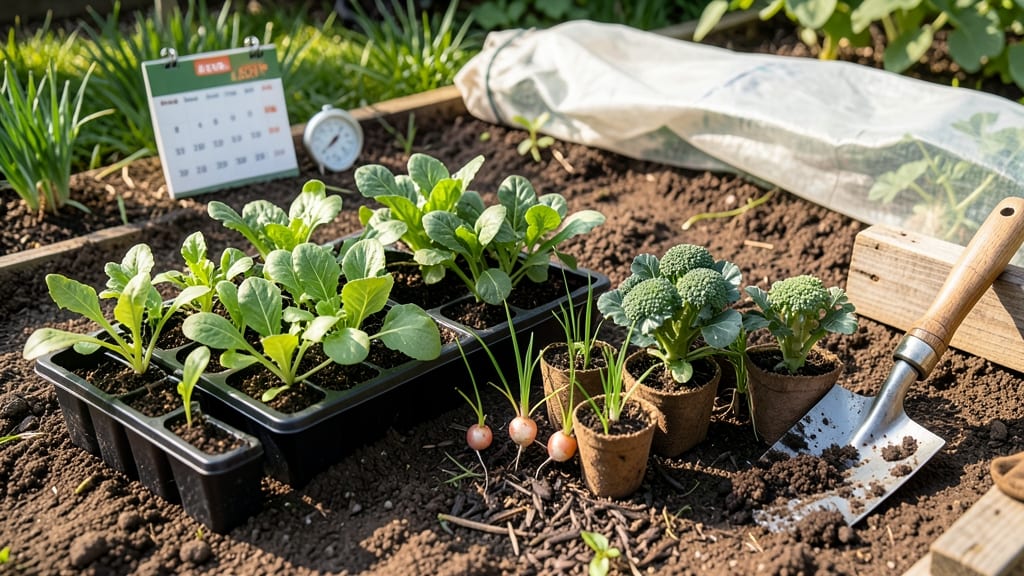
You plant a garden in Ohio after the last frost date, which typically lands between mid-April and mid-May depending on your zone — and getting it wrong can mean the difference between a bumper crop and a sad, wilted mess.
Ohio’s unpredictable frost dates can turn your gardening dreams into a guessing game, but timing your plantings correctly means the difference between a thriving harvest and a failed season. Whether you’re a first-time gardener or a seasoned grower, knowing the right planting windows for Ohio’s diverse climate zones is essential.
From the cooler USDA Zone 5b in northern Ohio to the warmer Zone 6b in the south, frost dates vary by weeks.
Cool-season crops like spinach and peas can go in as early as March, while warm-season favorites like tomatoes and peppers need to wait until late May or even June in colder areas.
In this guide, I’ll break down Ohio’s frost dates by zone, share expert tips for adjusting to unpredictable weather, and help you choose the best crops for each planting window — so you can finally stop guessing and start growing with confidence.
Ohio’s frost dates by Zone: when to plant cool vs warm-season crops
Ohio spans USDA Hardiness Zones 5b through 6b, meaning frost dates vary dramatically from the southern tip (6b) to the northern border (5b). In Zone 5b, gardeners face a longer growing season with later last frosts, while Zone 6b enjoys an extended harvest window.
These differences are critical for cool-season crops like spinach and warm-season crops like tomatoes to thrive.
For cool-season crops, timing is everything—plant too early, and frost will kill tender seedlings. For warm-season crops, waiting too long risks stunted growth from early fall frosts.
Ohio’s average last frost dates range from April 15 in Zone 6b to May 1 in Zone 5b, while first frost dates occur between October 15 and October 25, depending on elevation and microclimates.
To simplify, I’ve broken down planting windows by zone, including ideal transplant dates and direct-sowing times for both crop types. Use this as your Ohio frost-date calendar to avoid common mistakes like planting tomatoes before soil warms or losing peas to late frosts.
| Zone | Last Frost (Avg.) | First Frost (Avg.) | Cool-Season Planting Window | Warm-Season Planting Window | Notes |
|---|---|---|---|---|---|
| 5b (Northern OH) | May 1 | October 25 | March 15–April 15 (direct sow) / April 15–May 10 (transplant) | May 15–June 15 (after soil >60°F) | Use row covers for early starts; late frosts common. |
| 6a (Central OH) | April 20 | October 15 | March 1–April 1 (direct sow) / April 1–May 1 (transplant) | April 20–June 1 (soil >55°F) | Longer season; consider succession planting. |
| 6b (Southern OH) | April 15 | October 10 | February 15–March 31 (direct sow) / March 15–April 15 (transplant) | March 20–June 1 (soil >50°F) | Earliest zone; try heat-loving crops like okra. |
For cool-season crops like spinach, peas, and kale, start seeds indoors 4–6 weeks before your last frost date. In Zone 5b, this means mid-March sowing for outdoor planting by April 15.
In Zone 6b, you can begin as early as February 15 for a head start. These crops tolerate light frosts, so don’t rush—cold soil slows germination.
Warm-season crops, including tomatoes, peppers, and cucumbers, need warm soil (60°F+) to thrive. In Zone 5b, wait until May 15 to transplant seedlings, while Zone 6b gardeners can start as early as March 20 under row covers.
Always check soil temperature with a thermometer—cool soil stunts growth even if air temps are warm.
Pro tip: Use Ohio State University Extension’s frost date maps for your specific county, as microclimates (like urban heat islands or lake-effect zones) can shift frost dates by 1–2 weeks. For example, Cleveland (Zone 6a) often sees later frosts than Columbus (Zone 6b) due to lake influence.
If you’re growing biennials like onions or cabbage, plant in early spring for a fall harvest or late summer for next year’s crop. For perennials like asparagus, establish crowns in early spring—they’ll reward you with harvests for 5+ years.
Always amend soil with compost before planting to improve drainage and warm up faster in spring.
Remember: Ohio’s unpredictable weather means flexibility is key. Keep row covers handy for late spring frosts and plan to sow succession crops every 2–3 weeks for
How to adjust planting times for Ohio’s unpredictable weather patterns
Ohio’s late frosts and unpredictable heatwaves can throw off even the most experienced gardeners. I’ve learned to extend seasons and adjust timelines using simple but effective strategies. Whether you’re in urban Columbus or rural Appalachia, these methods help you beat Mother Nature’s curveballs.
The key is flexibility—knowing when to plant early, when to delay, and how to protect vulnerable crops.
First, I always check local frost dates from the Ohio State University Extension or the National Weather Service. These dates are your starting point, but Ohio’s microclimates mean your neighbor’s frost date might be a week earlier or later than yours.
Urban areas often warm up faster, while rural spots can linger in cold longer. For example, Toledo’s last frost might be April 15, but Youngstown’s could be May 1. Adjust accordingly!
Here’s how I extend planting windows and protect my crops in Ohio’s fickle climate:
Urban gardeners face unique challenges, like limited space and concrete heat islands. I recommend using container gardens with self-watering pots to maintain consistent moisture. For rural gardeners, windbreaks and raised beds help moderate temperature swings.
Both groups benefit from weatherproofing their gardens—whether that’s adding mulch to retain heat or using black plastic to warm soil faster in spring.
Don’t forget to plant frost-tolerant crops early, like peas, spinach, and carrots. These can handle Ohio’s late April frosts and give you a head start. Meanwhile, save heat-loving crops like okra and sweet potatoes for after Memorial Day, when the soil is reliably warm.
With these adjustments, you’ll turn Ohio’s unpredictable weather into an advantage!
🌱