
Planting
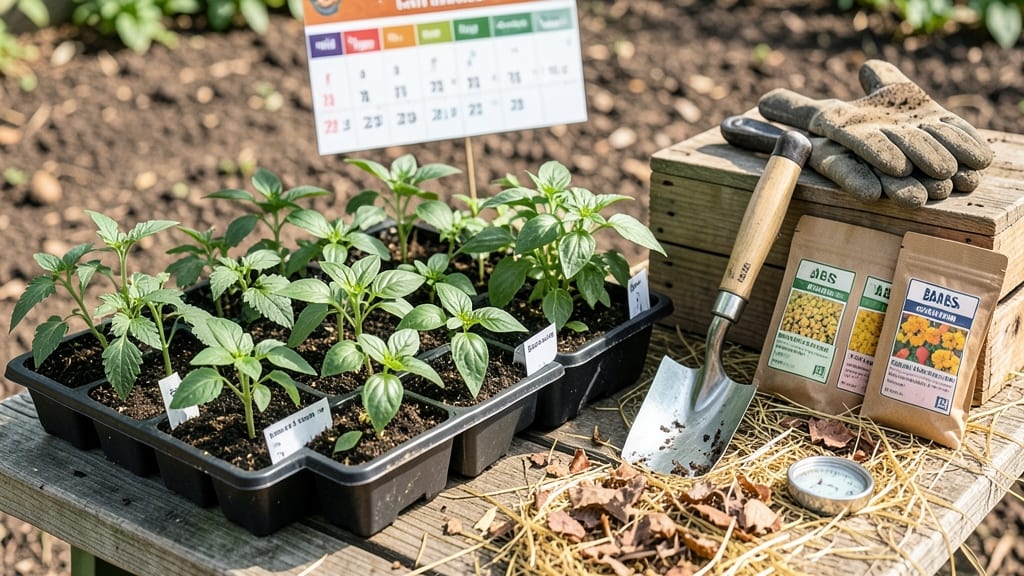
The best time to plant a garden in Ohio depends on your crop and USDA zone, but late April to early May is the sweet spot for most vegetables 🌱—right after the last frost and when soil warms up.
Ohio gardeners know timing is everything—plant too early and risk frost damage, too late and miss peak harvests. But with Ohio’s diverse microclimates (USDA zones 4–6), figuring out the perfect window can feel overwhelming.
Cool-season crops like spinach and peas can go in as early as March, while tomatoes and peppers need to wait until mid-May. Southern Ohio’s milder climate buys you an extra two weeks, while northern areas may need row covers for early starts.
Below, I break down frost-free dates by zone, month-by-month planting tips, and proven tricks to extend your growing season—so you can finally get that garden thriving without the guesswork.
Ohio’s frost-free dates by USDA zone: when to plant cool vs warm season crops
Ohio spans USDA Zones 4-6, meaning frost dates vary dramatically from northern zone 4 (e.g., Toledo, Cleveland) to southern zone 6 (e.g., Cincinnati, Columbus). These differences dictate whether your tomatoes thrive or your spinach bolts to seed.
Understanding your zone’s average last frost date (spring) and first frost date (fall) is the first step to a bountiful harvest.
For cool-season crops like kale, peas, and lettuce, you can plant as early as March in zone 6 or wait until April in zone 4.
Meanwhile, warm-season crops such as tomatoes, peppers, and squash need to wait until after the last frost—typically mid-May in zone 4 and early April in zone 6. Let’s break it down by zone so you can plan with confidence.
| USDA Zone | Avg. Last Frost (Spring) | Avg. First Frost (Fall) | Cool-Season Plants | Warm-Season Plants |
|---|---|---|---|---|
| Zone 4 (Northern OH) | April 15–May 1 | October 15–20 | Spinach, Peas, Lettuce (March–April) | Tomatoes, Peppers (May 15–June 1) |
| Zone 5 (Central OH) | April 1–April 15 | October 1–10 | Kale, Broccoli, Radishes (March–April) | Cucumbers, Beans (April 20–May 10) |
| Zone 6 (Southern OH) | March 20–April 1 | October 20–November 1 | Onions, Carrots, Peas (February–March) | Peppers, Eggplants (April 1–April 15) |
In zone 4, where winters are harsher, I recommend using row covers or cold frames to extend the season for cool-season crops. For example, you can plant spinach in early March under protection, then remove covers once temperatures stabilize.
Conversely, in zone 6, you can start warm-season crops like tomatoes as early as mid-April using black plastic mulch to warm the soil faster.
For warm-season crops, always wait until the soil temperature reaches at least 60°F—a simple soil thermometer helps avoid transplant shock. In my zone 5 garden, I’ve learned the hard way that planting peppers before May 10 often results in stunted growth.
Instead, I opt for fast-maturing varieties like ‘Early Girl’ tomatoes or ‘Sweet Banana’ peppers to ensure a harvest before the first frost.
Don’t forget about fall planting! Many cool-season crops like kale and radishes thrive when planted in late summer for a harvest before winter. In zone 4, aim to sow seeds by August 15, while zone 6 gardeners can push it to September 15.
This strategy gives you a second harvest without competing with summer heat.
Ohio’s microclimates can also shift frost dates by a week or more. If you live near a lake (like Lake Erie) or in a valley, expect cooler temperatures, while urban areas often warm up faster.
To account for this, I always plant a few test rows of fast-growing crops like radishes or bush beans to gauge your local conditions.
Pro tip: Use a frost calendar from your local Cooperative Extension office (e.g., Ohio State University Extension) for hyper-localized advice. They track frost data year-to-year and can help you adjust for early springs or late frosts.
For instance, the 2020 late frost in April caught many Ohio gardeners off guard—planning for these anomalies saves your plants.
When in doubt, err on the side of caution. It’s better to plant two weeks late than risk losing your entire crop to frost. For warm-season crops, consider starting seeds indoors 4–6 weeks before your last frost date to give them a head start.
This is especially useful for peppers and eggplants, which need a long, warm season to mature.
Finally, keep a gardening journal to track your frost dates over the years. I’ve noticed my last frost date has shifted 3–5 days earlier each decade due to climate change. By recording your observations, you’ll create a personalized planting guide tailored to your Ohio microclimate.
With these zone-specific timelines, you’ll
Best month-by-month planting schedule for Ohio gardens: what to sow in March vs July
Ohio’s gardening season is a whirlwind of activity, with each month offering unique opportunities to sow seeds and transplants. Whether you're a seasoned gardener or just starting, knowing the optimal planting windows for your favorite vegetables can mean the difference between a thriving garden and a disappointing one.
The key is balancing Ohio’s last frost dates (typically mid-April to early May) with each plant’s specific needs.
For example, cool-season crops like lettuce and peas thrive when planted in early spring or late summer, while warm-season favorites such as tomatoes and peppers need to wait until after the soil warms.
Let’s break down the best times to plant in Ohio, month by month, so you can maximize your harvests year-round.
- 1 March: Start onion sets and garlic indoors or in cold frames. Sow spinach and peas directly outdoors once soil is workable (around 40°F).
- 2 April: Plant potatoes (chit sprouted tubers) and broccoli transplants. Direct-sow carrots and radishes for early harvests.
- 3 May: After last frost (usually mid-May), sow beans, cucumbers, and squash. Transplant tomatoes and peppers once soil reaches 60°F.
- 4 June: Succession plant lettuce and kale for fall harvests. Start fall radishes and turnips in late June for early autumn crops.
- 5 July: Plant fall broccoli, cabbage, and beets for late-season harvests. Direct-sow spinach and arugula for a winter crop.
Succession planting is a game-changer for Ohio gardens, especially for fast-growing crops like radishes or bush beans. For example, sow a new batch of radishes every 2 weeks from April through July to ensure a steady supply.
Similarly, lettuce and baby greens can be planted in late summer for a crisp fall harvest before the first frost.
Don’t overlook perennial herbs like mint or thyme, which can be planted in early spring or fall. These hardy plants thrive in Ohio’s climate and will reward you with years of flavorful harvests with minimal effort. Just ensure they have well-draining soil and 6 hours of sunlight daily.
For warm-season crops like tomatoes and peppers, timing is critical. If you plant too early, cold soil can stunt growth or even kill seedlings. Use black plastic mulch or row covers to warm the soil faster and give your plants a head start.
In northern Ohio (Zone 4), wait until early June for heat-loving plants, while southern Ohio (Zone 6) gardeners can start as early as late April.
Finally, always keep an eye on Ohio’s first frost dates (typically late October to early November) when planning fall crops. Cool-season vegetables like kale and carrots can often survive light frosts, but tender crops like cucumbers must be harvested before temperatures drop below 32°F.
With this schedule, you’ll enjoy a garden bursting with fresh produce from spring to fall!