
Planting
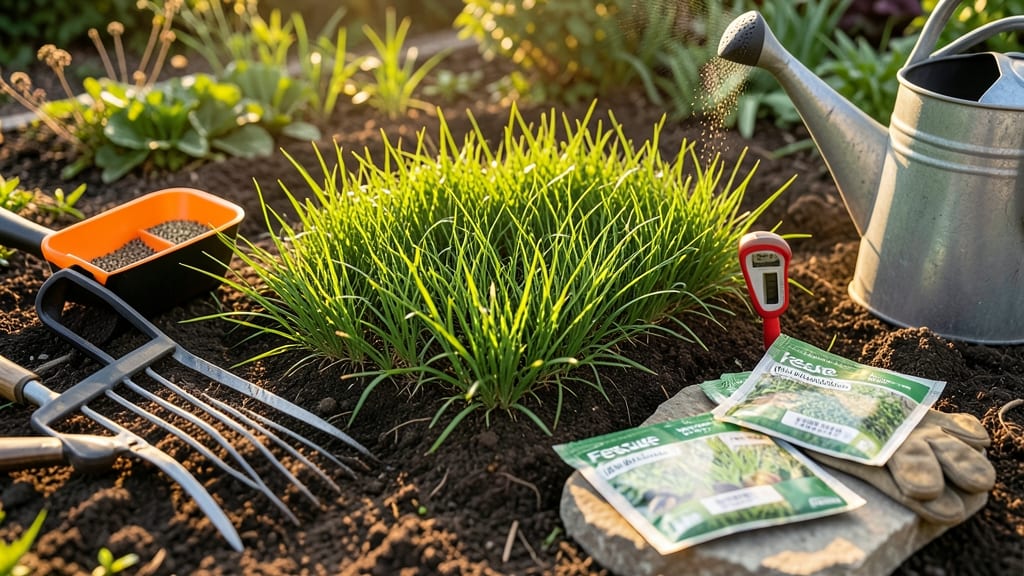
Planting grass in the spring at the right time means the difference between a thick, vibrant lawn and a patchy, struggling mess.
Timing your spring grass planting wrong can mean weak roots, patchy growth, or wasted seed—but getting it right guarantees a lush lawn by summer. The key? Waiting until soil temperatures hit 50°F–65°F consistently, not just when the calendar says "spring."
In USDA Zone 6a (like much of the Midwest and Northeast), that window usually opens around mid-April—after the last frost but before summer heat sets in. But if you're in the South, you might start as early as February, while northern gardeners often wait until May.
Below, I’ll walk you through how to test your soil, adjust for your climate, and avoid the three biggest mistakes that kill spring grass planting—so you can finally get that perfect, even lawn you’ve been dreaming of.
Ideal soil temperature for spring grass planting by region
Getting your spring grass planting timing right means checking soil temperatures, not just air temps. Grass seeds need consistent warmth—between 50°F and 65°F—to germinate properly. Plant too early in cold zones, and your seeds may rot; too late, and summer heat stress weakens growth.
The key? Match your region’s USDA hardiness zone with proven soil temp ranges.
Northern USDA zones (3-6) typically wait until late April or May when soil warms to 55°F+, while southern zones (7-10) can start as early as February or March.
The southern hemisphere flips this: September-October is prime time for Australia, New Zealand, and South Africa, where their spring aligns with our fall. Always check local frost dates—planting before the last frost can bury seeds too deep.
Here’s how to test your soil without a fancy thermometer: Press your finger 3-4 inches deep. If it feels cool but workable (like a chilled soda can), it’s likely 50-60°F. Too cold (below 50°F)?
Wait 1-2 weeks. Too warm (above 70°F)? Mulch lightly to cool it down. Morning soil temps are most accurate—test after sunrise but before midday heat spikes.
For northern climates (
5 Signs your soil is ready (before you plant)
You don’t need a fancy soil thermometer to know when your lawn is primed for grass seeds. Instead, focus on these 5 natural indicators that tell you the soil is warm enough, moist enough, and stable for planting.
These signs work for cool-season grasses (like Kentucky bluegrass) and warm-season grasses (like Bermuda), but with slight timing tweaks based on your climate zone.
First, check the moisture level—damp soil (not soggy) is ideal for seed-to-soil contact. Next, look for earthworm activity, which signals healthy, aerated soil.
These clues, combined with visual cues like sprouting weeds or thawing frost, help you avoid planting too early when seeds risk rotting or too late when weeds take over.
For clay-heavy soils, test moisture by squeezing a handful—it should hold shape but crumble easily. In sandy soils, moisture drains fast, so you’ll need to water more frequently after planting. Both soil types need adjustments to prevent crusting or drying out during germination.
🌱 5 Signs Your Soil Is Ready
- 1. Squeeze Test Pass: Soil holds shape when squeezed but crumbles when tapped—ideal moisture for seed contact.
- 2. Earthworms Are Active: Wriggly worms mean soil is warm, aerated, and free of frost—perfect for root growth.
- 3. Weeds Are Sprouting: Broadleaf weeds popping up signal soil temps are stable (above 50°F for cool-season grasses).
- 4. Frost Has Thawed for 3+ Days: No more hard frost at night (check your local last frost date for your zone).
- 5. Soil Feels Warm to the Touch: If it’s too cold, press your hand 2 inches deep—if it feels chilly, wait another week.
Don’t overlook the frost-free window, which varies by region. In USDA Zone 5, aim for mid-April, while Zone 8 gardeners can plant as early as February. For southern climates, prioritize soil moisture over temperature—dry spells can delay germination more than cold snaps.
If your soil feels too compacted, aerate it 1–2 weeks before planting to improve water and root penetration. For sandy soils, mix in compost or peat moss to retain moisture. These tweaks ensure your grass seeds get the consistent conditions they need to sprout evenly.
Once you’ve confirmed all five signs, it’s time to plant! Spread seeds in the early morning to reduce evaporation, then lightly rake and water gently. Within 7–14 days, you’ll see the first green shoots—proof your soil was ready all along.