
Planting
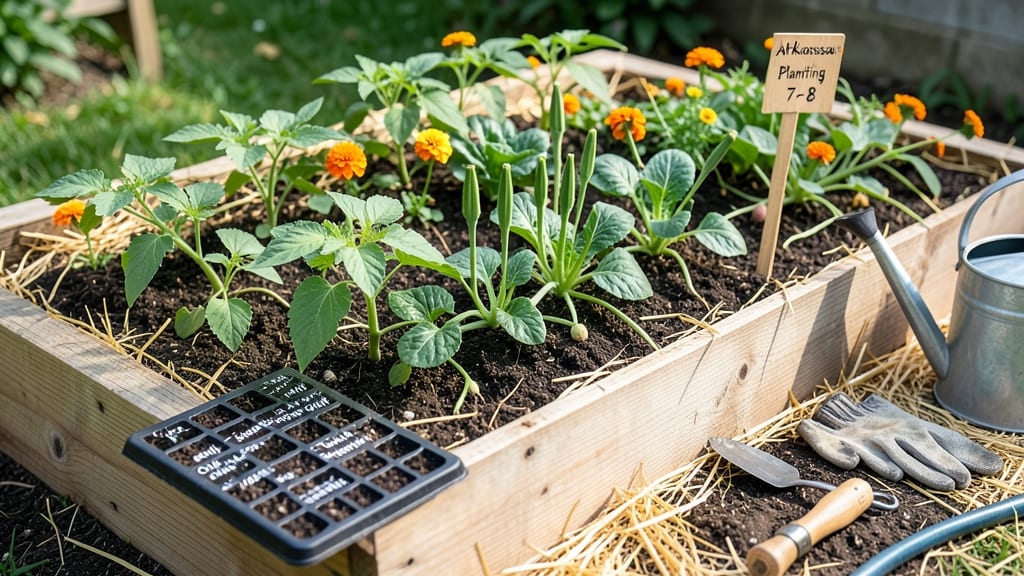
Planting a garden in Arkansas means timing your seeds and seedlings to avoid frost damage while maximizing harvests—most gardeners aim for late February to early April for cool-season crops and August to September for fall planting.
Arkansas gardeners know timing is everything—plant too early and risk frost damage, too late and miss peak harvests. But with the state’s diverse USDA zones (5a-8a), knowing exactly when to start seeds, transplant seedlings, and harvest can mean the difference between a thriving garden and a struggling one.
In zones 7a-8b, where most of the state falls, the last frost typically arrives around March 15, but early spring can still bring surprises. Meanwhile, the Delta region (Zone 8a) enjoys a longer growing season, while the Ozarks (Zone 6b-7a) face earlier frosts.
This guide breaks down the best planting windows for vegetables, flowers, and herbs—plus tips for adjusting to Arkansas’ microclimates, soil conditions, and heat-tolerant varieties to keep your 🌱 garden thriving all season long.
Arkansas frost-free dates by Zone: exact planting windows for 2024
Understanding Arkansas' frost-free dates is your secret weapon for a successful garden. The state spans USDA zones 5a-8a, creating dramatic differences between northern Arkansas' chilly springs and southern Arkansas' long growing seasons.
For example, Zone 5a gardeners in the Ozarks may wait until mid-April for safe planting, while Zone 8a growers in the Delta can start warm-season crops as early as February. These timing differences directly impact which vegetables, flowers, and herbs thrive in your yard.
I've spent years tracking local frost data through the Arkansas Cooperative Extension Service, and these 2024 planting windows reflect their most recent 10-year averages. Remember: last frost dates aren't absolute—they're moving targets influenced by climate patterns.
Always have row covers ready for unexpected cold snaps, especially in Zone 6b and below.
📅 PRO TIP: Use these dates as guidelines, not rules. Check soil temperatures with a soil thermometer—most warm-season crops need 60°F+ soil to thrive. For cool-season crops, wait until nighttime temperatures consistently stay above 40°F.
| Zone | Avg Last Frost | Early Spring Planting | Late Spring Planting | Summer Planting | Frost-Free Days |
|---|---|---|---|---|---|
| 5a (NW AR) | April 15 | March 1 (cold-hardy crops) | April 30 (warm crops) | June 15 (succession) | 150-170 |
| 6a (Ozarks) | April 1 | February 28 (greenhouses) | April 15 (warm crops) | June 1 (succession) | 180-200 |
| 6b (Central AR) | March 25 | February 15 (greenhouses) | March 31 (warm crops) | May 15 (succession) | 200-220 |
| 7a (North AR) | March 15 | February 1 (greenhouses) | March 20 (warm crops) | May 1 (succession) | 220-240 |
| 7b (Central AR) | March 1 | January 20 (greenhouses) | March 1 (warm crops) | April 20 (succession) | 240-260 |
| 8a (Southern AR) | February 15 | January 1 (greenhouses) | February 15 (warm crops) | April 1 (succession) | 260-280 |
For Zone 5a-6a gardeners, focus on cool-season crops like kale, spinach, and peas in early spring. These hardy plants can handle light frosts and even improve in flavor after exposure. I always plant broccoli and cabbage by March 1st in my Zone 6b garden—they bolt if planted too late.
Meanwhile, Zone 7b-8a growers can extend their seasons by planting warm-season crops like okra, sweet potatoes, and black-eyed peas as early as February.
Southern Arkansas' longer frost-free season (up to 280 days) allows for double cropping. After harvesting early spring greens in May, I immediately succession plant okra and collard greens—these heat-lovers thrive through October.
This strategy maximizes your garden space and extends harvests. Just be mindful of humidity levels in southern Arkansas, which can promote fungal diseases in crowded beds.
Don't overlook herbs and flowers when planning your schedule. Basil and cilantro bolt quickly in Arkansas' heat, so I start them indoors by February 1st (Zone 7b+) and transplant after last frost. For perennials like lavender and rosemary, establish them in
Best plants to grow in Arkansas by season: what to plant when
Arkansas gardeners know that the key to a bountiful harvest lies in understanding seasonal planting windows. With USDA zones 5a-8a, the state offers diverse growing conditions—from the cooler Ozark Mountains to the humid Delta region.
By aligning your planting schedule with Arkansas’ natural rhythms, you can maximize yields and avoid common pitfalls like late frosts or summer heat stress.
Each season brings unique opportunities: cool-season crops thrive in Arkansas’ mild winters, while warm-season vegetables flourish during the long, hot summers. Even fall offers a second chance for hearty greens and root vegetables.
Let’s break down the best Arkansas-adapted varieties for each planting window, including succession planting tips to keep your garden productive year-round.
Ideal for: Lettuce, Spinach, Kale, Broccoli, Carrots, Radishes, Peas, Onions
Start seeds indoors in February for early transplants. Direct-sow hardy greens like 'Winter Density' kale or 'Cherry Belle' radishes as soon as soil is workable (usually mid-February in Zone 7a). Use row covers to protect from late frosts.
Ideal for: Tomatoes, Peppers, Okra, Sweet Corn, Cucumbers, Squash, Basil, Eggplant
Wait until after the last frost date (typically mid-April in Zone 7a) to plant heat-lovers like 'Cherokee Purple' tomatoes or 'Arkansas Traveler' okra. Start pepper seeds indoors in March for early transplants. Mulch heavily to retain moisture.
Ideal for: Broccoli, Cabbage, Brussels Sprouts, Beets, Turnips, Spinach, Lettuce, Radishes
For a second harvest, sow cool-season crops in late summer (August for northern Arkansas, September for southern zones). Choose fast-maturing varieties like 'Golden Acre' cabbage (ready in 50 days) to beat the first frost. Harden off seedlings before transplanting.
Extend harvests with staggered plantings
Sow radishes every 2 weeks for continuous harvests. Replace bolted lettuce with new seedlings every 3-4 weeks. In warm zones (7b-8a), plant fall greens in August for a winter harvest before the first frost.
Don’t overlook Arkansas’ native plants and heat-tolerant varieties, which thrive with minimal fuss. For example, 'Arkansas Blue' grapes are perfect for warm-season planting and require little maintenance once established. Similarly, Southern Peas (cowpeas) like 'Purple Hull' handle Arkansas’ heat and humidity beautifully.
Pro tip: Use mulch to regulate soil temperature and retain moisture—critical during Arkansas’ hot, humid summers. For cool-season crops, a thick layer of straw can protect roots from temperature swings.
And always check the Arkansas Cooperative Extension Service for localized frost date updates, as microclimates can shift planting windows by weeks.
By following these seasonal guidelines, you’ll turn Arkansas’ variable climate into an advantage. Whether you’re growing heirloom tomatoes or native wildflowers, timing is everything—and now you’ve got the perfect schedule to make it work. Happy planting! 🌱