
Planting
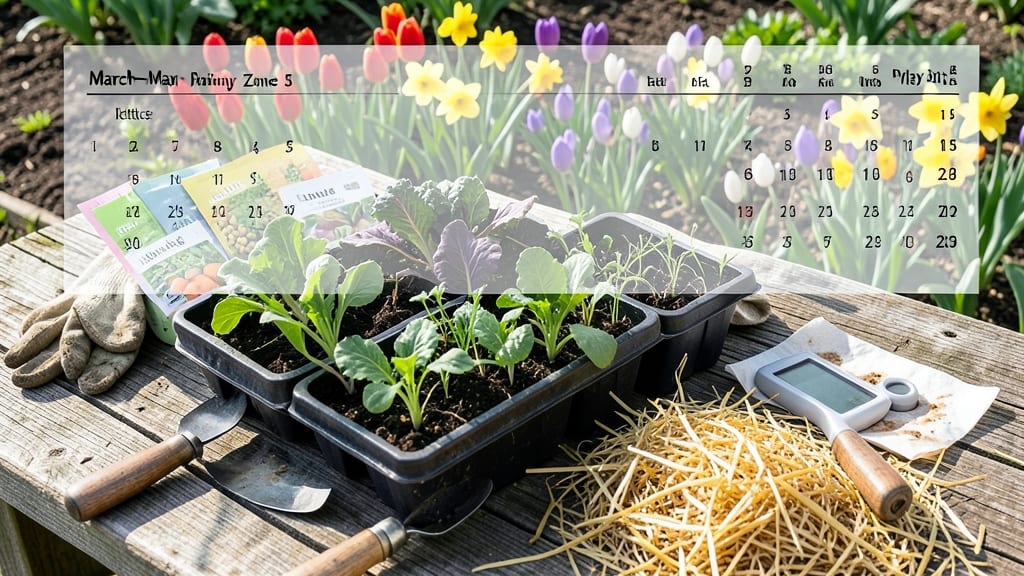
The planting schedule for Zone 5 is your roadmap to a thriving garden—timing is everything when frost can still nip tender seedlings as late as April 15.
Zone 5 gardeners face unique challenges with unpredictable frost dates and shorter growing seasons—but following a precise planting schedule can maximize your harvests and extend your growing window.
Whether you're sowing cool-season crops like spinach in March or waiting for the last frost to plant tomatoes in May, knowing the exact frost dates and ideal months for each variety is the key to avoiding wasted effort and lost crops.
Here, you’ll find the best planting months for vegetables, herbs, and flowers, plus smart techniques to push your growing season further—so you can enjoy fresh produce well into October.

Zone 5 frost dates and how they affect your planting schedule
Understanding Zone 5 frost dates is the foundation of successful gardening in this region. With an average last spring frost around April 15 and first fall frost near October 15, you only have about 165 frost-free days to grow your plants.
This shorter season means careful timing is crucial to maximize your harvests while avoiding frost damage.
Your planting schedule for Zone 5 must account for both cool-season crops (like lettuce and peas) that thrive in cooler temperatures and warm-season crops (like tomatoes and peppers) that need consistent warmth.
Planting too early or too late can result in stunted growth or complete crop failure, so knowing these dates helps you plan strategically.
Microclimates within your garden can also shift these dates by 1-3 weeks. South-facing slopes warm up faster, while low-lying areas may stay colder longer. Pay attention to where frost collects in your yard—these spots are the last to warm in spring and first to freeze in fall.
For cool-season crops, start seeds indoors 4-6 weeks before your last frost date or sow directly into the garden 2-4 weeks before. Hardy varieties like kale and spinach can even handle light frosts, making them ideal for early spring or late fall planting.
Warm-season crops, however, need to wait until 2-3 weeks after your last frost date to ensure soil temperatures are consistently above 50°F (10°C). Use a soil thermometer to check—cold soil can stunt seedlings and delay growth.
If you're eager to plant early, consider using row covers or black plastic mulch to warm the soil faster.
| Plant Type | Optimal Planting Window | Frost Tolerance | Notes |
|---|---|---|---|
| Cool-Season Vegetables | March-April (direct sow) or start indoors Feb-March | High (survives light frost) | Examples: Lettuce, peas, spinach, broccoli |
| Warm-Season Vegetables | May-June (after last frost) | Low (damaged by frost) | Examples: Tomatoes, peppers, cucumbers, beans |
| Perennials & Bulbs | Fall (Sept-Oct) or early spring | Moderate (varies by type) | Plant bulbs like tulips in fall; perennials in spring |
| Flowers (Annuals) | April-May (after frost) or Sept for fall blooms | Low (most annuals die in frost) | Examples: Marigolds, zinnias, petunias |
| Herbs | April-May (hardy herbs) or June (tender herbs) | Moderate (parsley, cilantro tolerate frost) | Basil and dill need warmth; parsley thrives in cool weather |
Fall planting is another key strategy in Zone 5. Many cool-season crops can be sown as early as mid-August for a late harvest before winter sets in. Crops like radishes and spinach mature quickly, giving you a second harvest before frost.
Just be sure to choose fast-maturing varieties and protect young plants with row covers if early frosts threaten.
If you're unsure about your exact frost dates, use a 10-day average rule: Calculate the average date of the last frost over the past 10 years in your area. Local cooperative extension offices or gardening apps like Old Farmer's Almanac can provide this data.
Adjust your schedule based on your microclimate—if your garden is in a frost pocket, err on the side of caution and wait an extra week to plant warm-season crops.
For warm-season crops, consider starting seeds indoors 6-8 weeks before your last frost date to get a head start. Transplant seedlings outdoors only after soil temperatures reach 60°F (15°C) for consistent growth.
If you're in a cooler microclimate, opt for early-maturing varieties or use black plastic mulch to warm the soil faster.
Don’t forget that succession planting can extend your harvests. After harvesting early crops like lettuce or radishes, replant the space with another quick-growing crop. This keeps your garden productive throughout the season and makes the most of your 165 frost-free days.
By aligning your planting schedule with Zone 5 frost dates and adjusting for your microclimate, you’ll create a thriving garden that maximizes yields and minimizes losses.
Start with cool-season crops in early spring, transition to warm-season plants after frost, and end with hardy fall crops—this rhythm is the key to a successful Zone 5 garden.
Best planting months for vegetables, herbs, and flowers in Zone 5
Timing is everything in Zone 5 gardening, where frost dates can shift by weeks. Knowing the optimal planting months for your favorite crops helps you avoid late frosts and maximize yields.
I’ve tested these schedules in my own garden—some plants thrive when started early, while others need to wait until after the last frost.
For cool-season vegetables like lettuce and peas, you can start seeds 4-6 weeks before your last frost date (typically mid-April in Zone 5). Warm-season crops, including tomatoes and peppers, should wait until 2-3 weeks after the last frost to ensure soil temperatures stay above 50°F.
Succession planting is key—especially for quick growers like radishes and bush beans.
| Plant Type | Best Planting Month | Succession Planting Tip | Notes |
|---|---|---|---|
| Tomatoes | May-June | Sow indoors March-April | Needs warm soil (70°F+) |
| Peppers | May-June | Start indoors March | Slow to germinate (75°F+) |
| Lettuce | March-April, August-Sept | Sow every 2 weeks | Bolt-resistant varieties for summer |
| Marigolds | April-May, Sept | Direct sow every 3 weeks | Pest deterrent for veggies |
| Basil | May-June | None (short-lived) | Heat-sensitive; avoid frost |
| Carrots | April-May, July-Aug | Thin seedlings | Loose soil prevents forking |
| Zinnias | May-June | Deadhead for continuous bloom | Attracts pollinators |
Don’t overlook fall planting—many crops thrive in cool autumn temperatures. I’ve had great success with kale, spinach, and radishes planted in September for harvests before the first frost. For perennials like lavender, plant in early spring or fall to give roots time to establish before winter.
Pro tip: Use row covers to extend your planting window for heat-loving crops like tomatoes. I’ve pushed my last planting date by 2-3 weeks with lightweight fabric, protecting seedlings from unexpected chilly nights. Always check soil temperature with a probe—50°F is the magic number for warm-season starters.
For herbs like cilantro, direct-sow in early spring or late summer to avoid bolting. If you love sunflowers, start seeds in May for full summer blooms—just be prepared to stake taller varieties before storms hit.
Adjust your schedule yearly based on your garden’s microclimate; a south-facing bed warms up faster than a north-facing one.
Remember: Succession planting is your secret weapon. By staggering lettuce, radishes, or bush beans every 2 weeks, you’ll enjoy a continuous harvest instead of one big bounty. My bush beans planted in June and July gave me fresh pods through September—far better than a single mid-summer harvest!