
Planting
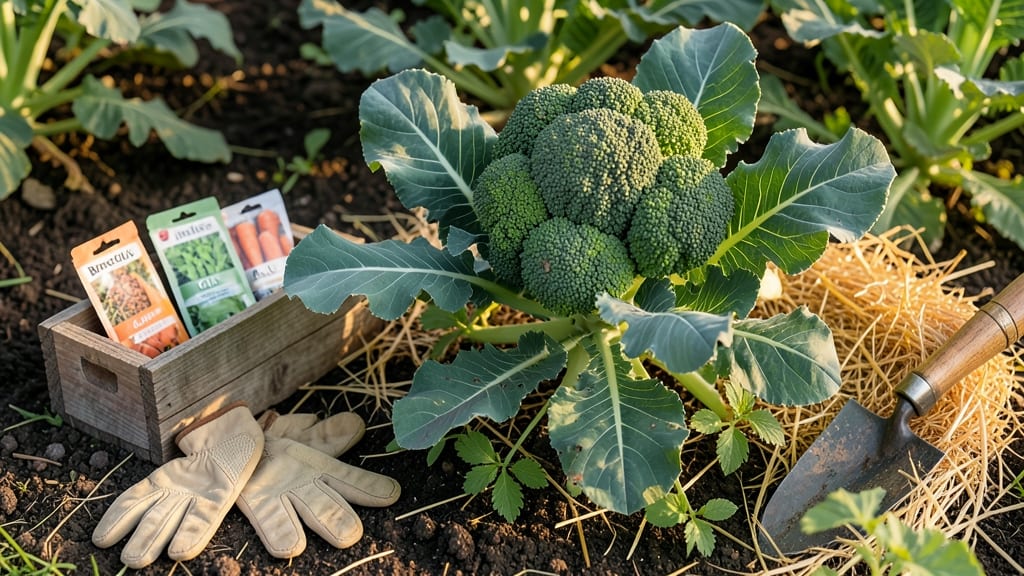
Planting your fall garden in Central Texas between late July and early September is the key to avoiding summer heat stress and frost damage — and yes, that window is tighter than you think.
Central Texas gardeners know timing is everything — plant too early, and scorching summer heat will kill your 🥬 fall crops; too late, and frost will ruin your harvest. Mastering the perfect planting window means cooler weather, fewer pests, and a bountiful garden.
With USDA zones 8a-8b and a first frost typically arriving around November 15, you’ve got just 6-8 weeks to get seeds in the ground before winter sets in. That means no room for guesswork.
Below, I’ll break down the exact dates for your heat zone, the best crops to plant, and how to prepare your soil for a high-yielding fall harvest — no more wasted effort or bolted greens.
Central Texas heat zone planting calendar: exact fall start dates
Central Texas gardeners face a unique challenge: the 100°F+ summer heat followed by early November frosts. The key to success lies in planting at the right time—when soil temperatures drop below 85°F but before the first frost (typically November 15 in zones 8a-9a).
This narrow window ensures your cool-season crops thrive without heat stress or frost damage.
For heat zones 8a-9a, I’ve broken down the exact planting windows for both transplants (like tomatoes and peppers) and direct-sown seeds (such as lettuce and radishes). The goal?
Start planting 6-8 weeks before your first frost to guarantee a harvest before winter sets in. Miss this window, and you’ll risk stunted growth or bolted greens.
Here’s your Central Texas Fall Planting Calendar, tailored to soil temperature thresholds and crop maturity timelines. Use this as your guide to avoid the most common mistakes—like planting tomatoes too late or lettuce too early—that derail fall gardens.
Notice how transplants like tomatoes need to go in late July to mature before frost, while cool-loving greens like spinach can wait until September. The soil temperature threshold is critical: most seeds won’t germinate well above 80°F, and transplants struggle in 90°F+ soil.
Use a soil thermometer to check before planting—this simple tool
Best fall vegetables for Central Texas and their planting strategies
Fall gardening in Central Texas rewards patience with crisp, flavorful harvests. The key is choosing cool-season vegetables that thrive in 60-75°F soil temperatures and planting them at the right time. Leafy greens, root crops, and brassicas are your best bets—just avoid heat-sensitive plants like tomatoes or peppers.
For urban gardeners with limited space, container gardening works beautifully for many fall crops. Succession planting every 2-3 weeks extends your harvest window, while direct sowing (instead of transplanting) often yields healthier plants. Let’s dive into the top performers and their planting strategies.
-
1Broccoli & Kale – Transplant late July to early August (6-8 weeks before first frost). Choose cold-hardy varieties like ‘Waltham 29’ broccoli or ‘Winterbor’ kale for frost tolerance.
-
2Carrots & Radishes – Direct sow mid-August to early September. Loosen soil to prevent forked roots and thin seedlings to 2-3 inches apart. Radishes mature in 25-30 days, so plant them first for quick harvests.
-
3Spinach & Lettuce – Sow seeds late August to mid-September for a fast-growing crop. Use shade cloth if temps exceed 80°F to prevent bolting. ‘Black Seeded Simpson’ lettuce is a reliable choice.
-
4Green Onions & Beets – Direct sow early August for a long harvest window. Green onions regrow after cutting, while beets like ‘Detroit Dark Red’ thrive in cool soil and mature in 50-60 days.
-
5Succession Planting Tip: For continuous harvests, sow radishes every 2 weeks and lettuce every 3 weeks after the initial planting. This ensures you’re always enjoying fresh greens.
If you’re growing in containers, prioritize shallow-rooted crops like lettuce, radishes, and green onions. Use 5-gallon pots for larger plants like broccoli or kale, ensuring they have drainage holes to prevent root rot. Balanced fertilizer (10-10-10) applied at planting and again in early September boosts growth.
For urban gardeners, consider vertical gardening with trellises for peas or pole beans (plant in late August for a late-fall harvest). Mulch heavily with straw or leaves to retain moisture and regulate soil temperature.
This is especially critical in Central Texas’ erratic weather, where sudden cold snaps can damage tender seedlings.
Remember: Harvest before frost hits (typically mid-November in most of Central Texas). Leafy greens like spinach and kale often tolerate light frosts, but root crops like carrots and beets should be pulled before the ground freezes. Store extras in cool, dark places or freeze for later use.