
Planting
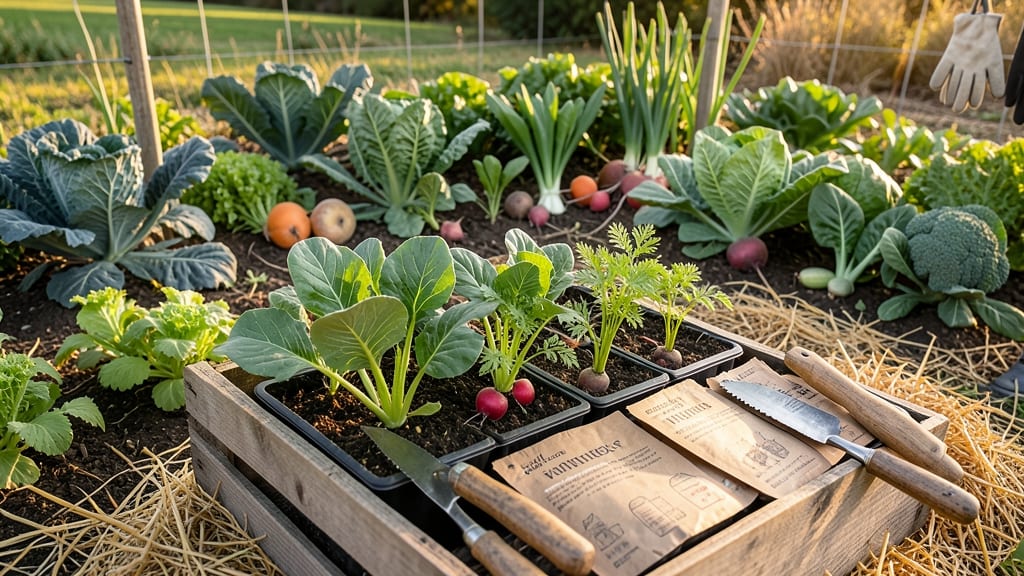
To plant your fall garden in South Texas, start between mid-August and early October—timing is everything when the heat lingers and the first frost sneaks up by December.
South Texas gardeners face a unique challenge: scorching summers and unpredictable fall weather can make or break your harvest—knowing exactly when to plant is the key to success. One wrong move, and you’re left with wilted seedlings or a garden that bolts before you even taste those homegrown greens.
This isn’t just about avoiding frost—it’s about working with the 90°F+ soil that can still bake your seeds in September, while also prepping for the rare but possible chill that arrives by mid-December.
The right timing means choosing heat-resistant varieties like Malabar spinach or okra, and knowing when to mulch to keep roots cool.
Below, I’ll break down the exact dates by heat zone, the best crops for your soil, and the simple tricks that turn a risky gamble into a reliable harvest—no guesswork, just results.
South Texas fall planting calendar: exact dates by heat zone
Timing is everything in South Texas gardening—one wrong move and your fall harvest could be toast. Unlike northern climates, our USDA zones 9a-10a demand precise planting windows to beat the heat while preparing for rare cold snaps.
The Rio Grande Valley's coastal breezes create a 5-10°F warmer microclimate than the Hill Country's rocky soils, so I'll break it down by region with exact dates you can mark on your calendar.
Your first step? Check your soil temperature—most fall crops thrive when it drops below 85°F. Use a soil thermometer (or your elbow—if it's too hot to hold for 5 seconds, wait).
For the Rio Grande Valley, aim for mid-August starts, while Hill Country gardeners should wait until late August when nights cool below 80°F. Remember: our first frost average is December 15, but don't count on it—protect tender plants just in case.
📅 Key Dates by Region:
- Rio Grande Valley: August 15-30 (cooler coastal air kicks in)
- Central Texas: August 25-September 10 (wait for 75°F nights)
- Hill Country: September 1-15 (soil stays warm longest)
For heat-loving crops like sweet potatoes and black-eyed peas, the window opens in early August across all regions. These powerhouses can handle 95°F soil and should be planted as soon as your soil warms up. My trick?
Start seeds indoors in late July for a head start—transplant when soil temps hit 80°F consistently. For cooler crops like lettuce and spinach, wait until mid-September in the Valley and October in the Hill Country.
Pro tip: The 10-day forecast is your best friend. If a heat wave over 100°F is coming, delay planting until temps drop. Use drip irrigation to keep roots cool during these spikes—overhead watering just stresses your plants.
I once lost an entire row of collard greens because I ignored a heat advisory and watered at noon. Lesson learned: morning watering only during these critical weeks.
Don't forget about microclimates—your backyard might be 5°F warmer than your neighbor's! North-facing beds stay cooler, while south-facing ones bake faster. Test your spots with a black thermometer (paint it flat black and leave in sun) to find the perfect planting zone.
In my San Antonio garden, the north side of my shed creates a 5°F cooler pocket perfect for lettuce when the rest of the yard is too hot.
Your last planting window closes in mid-October for most crops. After that, focus on harvesting or planting winter cover crops like winter rye to protect your soil. Mark November 1 on your calendar as the cutoff for new plantings—anything after that won't have time to establish before potential frost.
For garlic and onions, plant in late October for a spring harvest, but choose hardneck varieties that tolerate our mild winters.
Remember: soil prep is 50% of success. Test your pH (aim for 6.0-7.0) and amend with compost before planting. In coastal areas, watch for salinity buildup—flush your soil with fresh water if you notice crispy leaf edges.
My Corpus Christi garden needed extra flushing last year after Hurricane Hanna's saltwater surge. A simple EC meter (under $20) saves headaches down the road.
Finally, keep a planting journal to track your exact dates and outcomes. Note which varieties thrived in your microclimate—my 'Black Spanish' radishes bolted every year
Best heat-resistant fall vegetables for South Texas soil and climate
South Texas's 90°F+ soil temperatures can intimidate gardeners, but some heat-loving vegetables thrive when most plants wilt. These fall-friendly crops not only survive but produce bountiful harvests even as summer lingers. The secret lies in selecting varieties bred for high-temperature tolerance and pairing them with smart companion planting.
My top 10 heat-resistant fall vegetables for South Texas include okra, sweet potatoes, malabar spinach, and black-eyed peas, all of which handle 90°F+ soil while others struggle.
These crops also extend your harvest window into November and December, giving you fresh produce when cooler-season crops might fail. Let's dive into the specifics.
🌱 Top 10 Heat-Resistant Fall Vegetables for South Texas
- 1. Okra - Thrives in 95°F+ soil; plant August-September for harvests until frost.
- 2. Sweet Potatoes - Heat-loving tubers; start slips July-August for fall harvest.
- 3. Malabar Spinach - Survives 100°F+; sow August-September for continuous harvests.
- 4. Black-Eyed Peas - Tolerates heat better than regular peas; plant August-October for fall yields.
- 5. Cowpeas - Heat-tolerant legumes; sow July-September for fall harvests and winter cover.
- 6. Amaranth - Thrives in heat; plant August-September for greens and grain harvests.
- 7. Eggplant - Heat-loving; transplant August-September for fall production.
- 8. Peppers (Hot & Sweet) - Continue producing in 85°F+ soil; plant July-August.
- 9. Sorghum - Drought and heat tolerant; plant August-September for fall harvest.
- 10. Swiss Chard (Heat-Tolerant Varieties) - 'Bright Lights' handles heat better; sow August-September.
Pro Tip: Pair these with companion plants like basil, marigolds, or nasturtiums to repel pests and improve yields.
For maximum yield in South Texas's short growing seasons, use companion planting strategies tailored to heat. For example, okra and sweet potatoes benefit from nearby marigolds, which deter pests like aphids.
Meanwhile, black-eyed peas pair beautifully with corn to create a natural trellis system while fixing nitrogen in the soil.
My favorite companion pairings for fall gardens include malabar spinach with cucumbers (both love shade from taller plants) and amaranth with beans (beans fix nitrogen while amaranth grows quickly). These combinations not only boost productivity but also create a microclimate that retains moisture longer during heat spikes.
Don't forget to mulch heavily (2-3 inches) with straw or wood chips to lock in moisture and keep roots cool. In coastal areas, watch for soil salinity—flush beds with fresh water every 2-3 weeks to prevent buildup.
With these heat-resistant varieties and smart planting partners, your South Texas fall garden can outperform summer crops while others fade.
For best results, start seeds indoors 4-6 weeks before transplanting outdoors in August. This gives seedlings a head start in the 90°F+ soil without shocking tender roots. Happy planting—your fall harvest will thank you!