
Planting
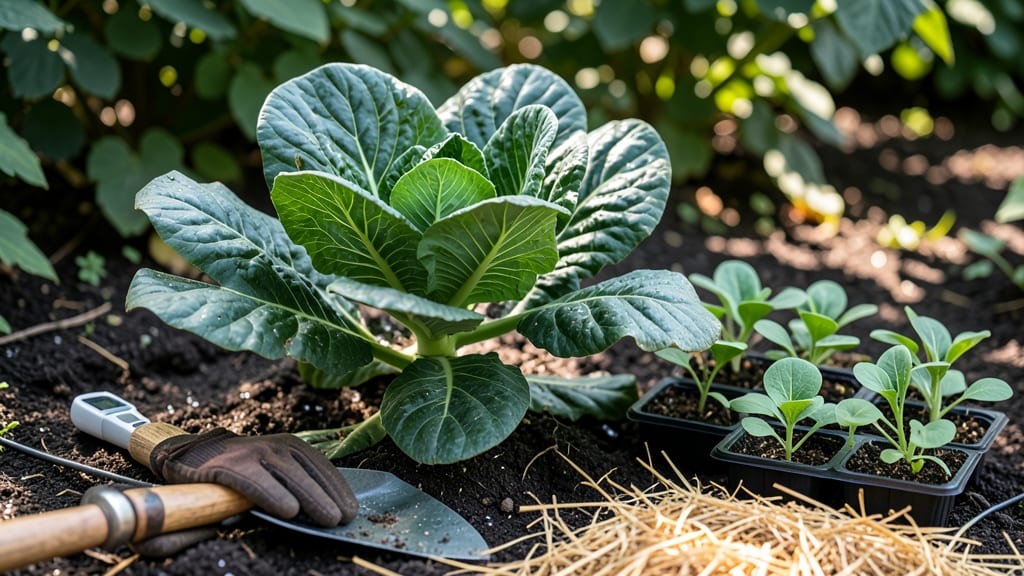
Planting a fall garden in Louisiana means starting late August for heat-tolerant varieties like collards and turnips, when soil temps drop just enough to avoid bolting.
Here’s the catch: get it wrong, and you’re stuck with wilting greens or pests taking over before harvest. But nail the timing, and you’ll beat the heat while enjoying fresh produce through December.
Louisiana’s 8a-9b climate gives you a 6-week window—August through mid-October—to plant before the first frost hits. That’s why I’ll break down the exact dates by region, the best crops to grow, and how to prep your soil for maximum success.
Skip the guesswork and learn how to turn your garden into a fall harvest goldmine, even with Louisiana’s humidity and late-summer heat.
Best planting dates for Louisiana’s fall garden by region
Louisiana’s fall garden thrives when planted at the right time—too early, and your heat-sensitive crops bolt; too late, and frost ruins your harvest. The key is understanding your USDA Zone (8a-9b) and first frost dates, which vary by region.
Northern Louisiana (like Shreveport) has earlier frosts than the South (like New Orleans), so timing matters.
For cool-season vegetables like lettuce, spinach, and broccoli, aim to plant 6-8 weeks before your average first frost. In Louisiana, this typically means starting in mid-August for the North and early September for the South.
But don’t stop there—heat-tolerant varieties like collards, okra, and sweet potatoes can handle late summer heat and still produce well into fall.
| Region | Ideal Planting Window | First Frost Date | Heat-Tolerant Crops | Cool-Season Crops |
|---|---|---|---|---|
| North (Shreveport) | August 15 - September 15 | November 15 - December 1 | Okra, Sweet Potatoes, Southern Peas | Lettuce, Broccoli, Kale |
| Central (Baton Rouge) | August 20 - September 30 | November 20 - December 10 | Collards, Eggplant, Peppers | Spinach, Carrots, Radishes |
| South (New Orleans) | September 1 - October 15 | December 1 - January 10 | Tomatoes, Peppers, Okra | Cabbage, Turnips, Swiss Chard |
In North Louisiana (Shreveport), where frosts can arrive as early as mid-November, focus on planting heat-tolerant crops like okra and sweet potatoes by mid-August. These varieties handle the lingering summer heat while still maturing before the first frost.
For cool-season crops, wait until late August to early September to avoid bolting.
Central Louisiana, around Baton Rouge, offers a slightly longer window. You can start heat-tolerant crops like collards and eggplant as early as late August and still enjoy harvests through December.
For cool-season crops, aim for late August to early October—this gives them enough time to establish roots before temperatures drop.
Down in South Louisiana (New Orleans), the growing season stretches later into the year. You can plant heat-loving crops like tomatoes and peppers until mid-September and still reap rewards.
For cool-season crops, start as late as early October, giving them time to mature before the December frost hits.
Don’t forget to prepare your soil before planting. Louisiana’s clay-heavy soil benefits from amendments like compost or aged manure to improve drainage and fertility. Test your soil’s pH—most fall vegetables prefer a slightly acidic to neutral pH (6.0-7.0).
If your soil is too alkaline, mix in peat moss or sulfur to adjust it.
For succession planting, sow fast-growing crops like radishes and lettuce every 2-3 weeks after your initial planting. This ensures a continuous harvest and maximizes your garden space. Use row covers in late fall to protect tender crops from unexpected early frosts or pests like aphids and squash bugs.
If you’re unsure about your first frost date, check local weather reports or use a frost calendar from your county extension office. In Louisiana, microclimates can vary even within cities, so observe your garden’s specific conditions. For example, low-lying areas may frost earlier than elevated spots.
Pro tip: Plant warm-season crops like basil and cilantro in partial shade during peak summer to prevent bolting. As temperatures drop in fall, move them to full sun for optimal growth. This dual-purpose approach keeps your garden productive year-round.
Heat-tolerant fall vegetables that thrive in Louisiana’s climate
Louisiana’s humid heat can linger well into fall, but with the right heat-tolerant vegetables, you can extend your harvest season. These fall crops thrive in our USDA Zones 8a-9b, handling late summer heat while setting up for cooler months.
The key is planting at the perfect time—too early and they’ll bolt; too late and frost will ruin them.
I’ve grown these top 10 heat-tolerant vegetables in my Louisiana garden, and they consistently deliver. From okra to collard greens, each has specific planting windows and soil needs to maximize yield. Let’s dive into the best choices and how to keep them producing through early winter.
🌱 Top Heat-Tolerant Fall Vegetables for Louisiana
- Okra – Plant August-September; thrives in 90°F+ heat. Harvest pods at 3-4 inches for tenderness.
- Sweet Potatoes – Start slips June-July; harvest 100-120 days later. Ideal for loose, sandy soil.
- Collard Greens – Sow August-September; sweeter after light frost. Prefers well-draining soil with compost.
- Kale – Plant late August-October; cold-hardy but benefits from row covers in late fall.
- Turnips – Direct sow August-September; harvest greens at 6 inches, roots at 2 inches diameter.
- Swiss Chard – Plant late August-October; bright lights add color and flavor. Thrives in partial shade.
- Carrots – Sow September-October; choose short varieties like ‘Paris Market’ for sandy soil.
- Beets – Plant late August-September; harvest at 2 inches for tender greens and roots.
- Peppers (Bell/Chili) – Transplant July-August; extend season with black plastic mulch to retain heat.
- Cabbage – Start seeds August-September; use companion planting with dill or onions to deter pests.
For longer harvests, I recommend succession planting every 2-3 weeks after your initial sowing. For example, plant a batch of turnips in late August, then another in early September to stagger maturity. This ensures a steady supply of fresh veggies before winter sets in.
Don’t overlook companion planting—it’s a game-changer in Louisiana’s humid climate. Pair okra with sweet potatoes to improve soil health, or plant collards near bush beans to deter pests naturally. These pairings reduce the need for chemical pesticides while boosting yield.
To extend harvests through early winter, use row covers or cold frames on sensitive crops like kale and Swiss chard. These simple tools can add 2-4 weeks to your growing season, giving you time to enjoy homegrown veggies even as temperatures dip.
Finally, soil preparation is non-negotiable. Louisiana’s clay-heavy soil benefits from compost and organic matter to improve drainage. Before planting, mix in aged compost and a balanced fertilizer (10-10-10) to give your fall crops a strong start.