
Plants
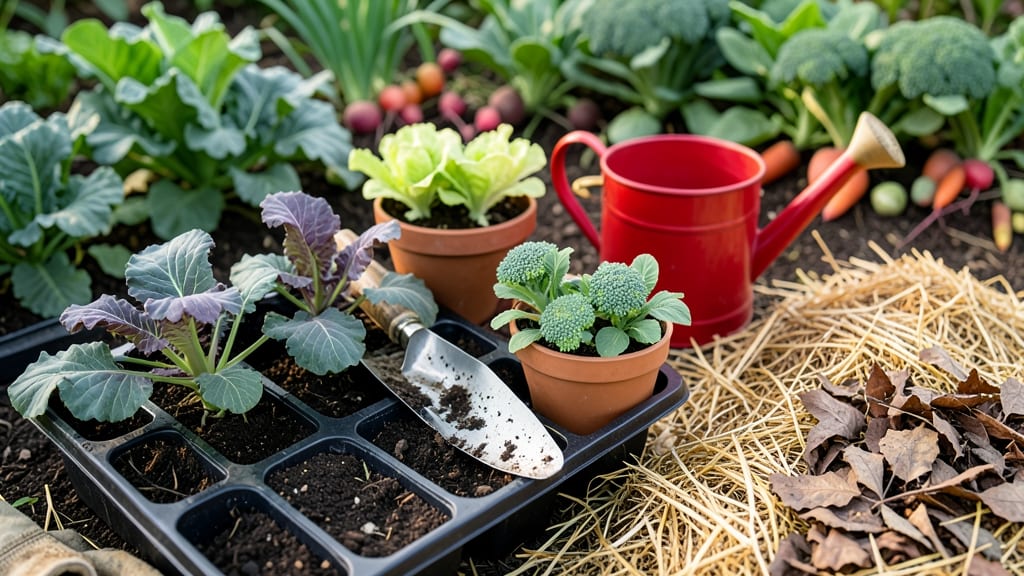
Planting in September lets you grow cool-season crops like kale, spinach, and lettuce in northern areas, while southern regions can still plant heat-tolerant greens or winter squash. Start 6-8 weeks before your first frost date for the best fall harvests.
September planting is all about timing—it's your last chance to get cool-season crops established before winter sets in. 🌱 The key is knowing your frost date and choosing crops that can handle cooler temperatures.
In northern climates, focus on fast-growing greens and root vegetables, while southern gardeners can extend their growing season with heartier varieties. I always recommend checking your USDA hardiness zone to fine-tune your planting schedule, as even a few degrees can make a big difference in what thrives.
What makes September special is the opportunity for succession planting—sowing new seeds every few weeks to keep harvests coming until winter. For example, radishes mature in just 30 days, making them perfect for late-season sowings.
Meanwhile, broccoli and cabbage take longer but reward you with hearty greens well into fall. Don't forget to prep your soil with compost—cool weather means nutrients break down slower, so giving your plants a boost upfront pays off big time.
💡 In This Article
- Climate Zones and Ideal September Planting Timelines
- Best September Crops for Fall Harvest and Winter Survival
Climate zones and ideal September planting timelines
Understanding your USDA hardiness zone is the foundation of September planting success. Zones 3-5 (northern climates like Minnesota or Vermont) have shorter growing seasons, so focus on fast-maturing crops planted by mid-September to ensure harvest before frost.
Meanwhile, zones 7-10 (southern regions like Florida or Texas) can extend planting until late September or early October for heat-tolerant varieties. The critical factor is your first frost date—most cool-season crops need 6-8 weeks to mature before temperatures drop below 28°F.
Here's how timing breaks down by zone: In zone 4, plant leafy greens like spinach by September 10th for a 45-day harvest before hard frost. Zone 8 gardeners can still sow collard greens until September 25th, as they tolerate light frosts.
The science behind this involves vernalization—the process where some plants (like broccoli) need cold exposure to flower and produce edible parts. September's cooler nights trigger this in many cool-season crops, but planting too late risks stunted growth from early frosts.
Your local microclimate matters just as much as your zone. A sheltered spot near a south-facing wall can add 5-10°F of warmth compared to open garden beds. I've seen kale survive 15°F in protected areas, while unprotected plants bolt or freeze.
Use this to your advantage by planting heat-sensitive crops in the warmest microclimates first. For example, in zone 6, start carrots in the warmest bed by September 1st and radishes in cooler spots by September 15th—they mature faster and tolerate cooler soils.
Soil temperature is another critical factor often overlooked. Most cool-season crops prefer soil between 45-65°F—warmer than 80°F can cause seeds to rot or seedlings to bolt. Test your soil with a thermometer before planting.
In zone 5, I've measured soil temps dropping from 75°F in early September to 55°F by month's end—a 20°F difference that affects germination rates. This is why I recommend using row covers or cold frames for late September plantings—they add 5-10°F of insulation without artificial heat.
Consider these regional adjustments when planning:
- Northern zones (3-5): Prioritize fast-maturing crops (30-45 days) planted by September 10th—think spinach, lettuce, and radishes
- Transitional zones (6-7): Balance cool-season crops (kale, broccoli) with heat-tolerant options (collards, Swiss chard) planted by September 20th
- Southern zones (8-10): Extend planting until October 1st for winter squash, turnips, and mustard greens, which thrive in mild winters
The key to September planting lies in this balance: cool enough for germination but warm enough for growth. Most gardeners in zone 6 hit this sweet spot during the first two weeks of September when average nighttime temps sit around 55°F.
This window gives seeds time to sprout before temperatures drop below 50°F, which slows root development. 🌱