
Plants
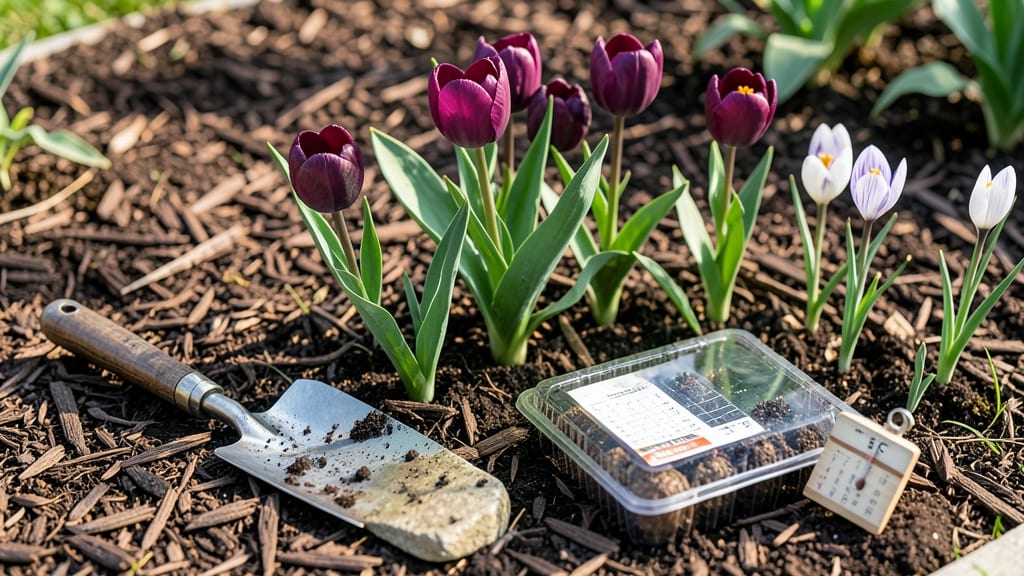
To plant in spring, wait until the last frost date when soil reaches 50°F—that’s when most seeds and transplants thrive. 🌱 I’ve learned the hard way that rushing leads to frost-nipped seedlings, but patience pays off with strong, healthy starts.
The exact timing varies by plant: cool-season crops like peas and lettuce can go in early, while tomatoes and peppers need warmer soil. Check your local frost date (usually 2-3 weeks before the average last frost), then test soil temperature with a thermometer.
For transplants, harden them off first—acclimate them to outdoor conditions over 5-7 days to avoid shock. The first week after planting is critical: keep soil moist and watch for pests that thrive in new growth.
📚 In This Guide
- What you need
- Instructions
- Tips and common mistakes
- Wrapping up and next steps
What you need
- ● Seeds or seedlings: Choose frost-tolerant varieties (e.g., peas, lettuce, spinach) or wait for warmer soil for heat-lovers (e.g., tomatoes, peppers). Quantity: Adjust based on garden size (e.g., 1 lb of seeds for a 10x10 ft bed).
- ○ Garden soil: Well-draining, nutrient-rich mix (pH 6.0–7.0). Optional: Add compost (1–2 inches) for extra fertility.
- ● Planting containers: For direct sowing: Seed trays or biodegradable pots (3–4 inches deep).
- ● For transplants: Gallon-sized pots (5–7 inches) with drainage holes.
- ● Tools: Hand trowel (6-inch) for precision.
- ● Garden fork or transplanter for soil prep.
- ● Watering can or hose with a gentle spray nozzle.
- ○ Optional: Seedling heat mat ($15–$30) for early starts.
- ● Frost-free dates: Check your USDA Hardiness Zone (e.g., Zone 5: mid-May; Zone 10: February). Pro tip: Use the Old Farmer’s Almanac for local guidance! 💡
- ● Soil temperature: Aim for 40°F+ for cool crops (e.g., carrots) or 60°F+ for warm crops (e.g., cucumbers). Use a soil thermometer ($10–$15).
- ● Sunlight: Confirm 6+ hours of direct sun daily for most veggies/flowers.
- ● Water source: Ready access to water (drip irrigation or soaker hoses work best).
- ● Mulch (straw or shredded leaves) to retain moisture.
- ● Row covers (frost cloth) for late frosts.
- ● Plant markers or labels (toothpicks + masking tape work!).
- ● Gloves and knee pads for comfort.
Step-by-step guide for determining spring planting times
Timing is everything in gardening—plant too early and frost will kill your progress.
⏰ Step 1: Calculate Your Last Frost Date
Find your average last frost date using the USDA Plant Hardiness Zone Map or local agricultural extension service. I always check both sources because microclimates can shift frost dates by 1-2 weeks. For example, valley areas warm up faster than hilltops, even if they share a zone.
Write down the date and mark it on your calendar. This is your starting point for all cool-season crops. Most gardeners count backward from this date to schedule planting, but I prefer working forward—it keeps me from rushing.
🌱 Step 2: Use the "12-14 Weeks Rule" for Cool-Season Crops
For vegetables like broccoli, cabbage, or spinach, plant them 12-14 weeks before your last frost date. This gives them time to mature before summer heat sets in. I start my lettuce indoors in early March so it's ready to transplant by late April—just in time for spring harvests before bolting.
Check seed packets for specific days-to-maturity estimates. If a packet says 50 days to harvest, count backward from your last frost date to determine planting time. For example, if frost is May 15, plant on March 25 for a mid-April harvest.
☀️ Step 3: Wait for Soil Warmth and Moisture for Warm-Season Crops
Tomatoes, peppers, and cucumbers need soil temperatures above 60°F to thrive. I test soil warmth with a simple thermometer—bury it 2 inches deep in the morning for the most accurate reading. If it's consistently warm, that's your signal to plant.
Watch for 2-3 consecutive days above 50°F at night, too. Cold snaps after planting can stunt growth or shock plants. I always have a backup row cover ready to protect seedlings if temperatures dip unexpectedly.
🌿 Step 4: Adjust for Microclimates and Plant Types
South-facing slopes warm up faster than north-facing areas, so adjust planting times accordingly. I plant my early potatoes on the sunny side of the garden 2 weeks before the north-facing beds. Shade from trees or buildings can delay warming by 1-2 weeks, so observe your garden's unique conditions.
Herbs and flowers have different rules—basil and marigolds, for instance, tolerate cooler soil better than tomatoes. I plant basil as soon as the soil is workable (around 50°F) because it prefers warm air but can handle cooler roots.
✂️ Step 5: Monitor Local Weather Patterns
Check the 10-day forecast before planting to avoid surprises. I avoid planting if frost is predicted within 7 days, even if the average last frost date has passed. A late frost in May can still damage tender seedlings—it happened to me last year with my pepper plants.
Keep a garden journal to track your own observations. Note when your soil warms up, how long it takes for seeds to germinate, and any unexpected weather events. Over time, you'll develop a more precise planting schedule tailored to your specific location.
Tips & tricks for perfect spring planting timing
Here's what I've learned after years of gardening mishaps—and how to avoid them.
Microclimate Matters: That 1-2 week difference in frost dates between your valley and hilltop isn't just theory—it's real. I've seen frost wipe out my hillside tomatoes while my valley plants thrived. Use a 10-day forecast as your final check, not just the average. Last year, my May 15 frost date came true, but my May 20 planting still got nipped by a surprise freeze.
Soil Thermometer is Your Best Friend: Don't guess at soil temperatures—measure them! The 60°F mark for warm-season crops isn't just a number; it's the difference between thriving tomatoes and stunted seedlings. I test at 2 inches deep in the morning because that's where roots will be. Pro tip: A cheap infrared thermometer works great for quick checks.
Planting Window Flexibility: The 12-14 week rule for cool-season crops gives you a range for a reason. If your seed packet says 50 days to harvest, you can plant anywhere from 12-14 weeks before frost—just adjust based on your microclimate. I've planted lettuce as early as 14 weeks out in protected beds and as late as 12 weeks out in warmer zones, both with success.
Herb and Flower Exceptions: Basil and marigolds break the rules—they tolerate 50°F soil just fine. I plant them as soon as the ground is workable, even if my tomatoes aren't ready yet. The key is watching for those 2-3 consecutive nights above 50°F—that's your real signal for tender plants. I always keep row covers handy for just this reason.
Pro Tips for When To Plant In Spring
- Here's what I've learned after years of gardening mishaps—and how to avoid them.
- Microclimate Matters: That 1-2 week difference in frost dates between your valley and hilltop isn't just theory—it's real.
- Soil Thermometer is Your Best Friend: Don't guess at soil temperatures—measure them!
Frequently asked questions
When is the exact last frost date for my area?
The last frost date varies by region—check the Old Farmer’s Almanac or your local cooperative extension office for precise timing. A general rule: Wait until nighttime temps stay above 32°F (0°C) consistently for 2–3 weeks before planting frost-sensitive crops like tomatoes or peppers.
Can I plant too early in spring?
Planting too early risks frost damage or stunted growth. Signs you’ve rushed it: wilted leaves, yellowing, or blackened stems. If you’re unsure, opt for cold-hardy crops (like spinach or peas) or use row covers to protect tender plants. When in doubt, err on the side of patience—your garden will thank you!
What if I miss the ideal planting window?
Don’t panic! Many veggies (like kale, carrots, or radishes) thrive in cooler weather and can be planted 3–4 weeks after your last frost date. For warm-season crops, try container gardening—you can move pots indoors or under cover if nights turn chilly. Succession planting (sowing seeds every 2 weeks) also extends your harvest.
How do I know if the soil is warm enough for tomatoes/peppers?
These heat-lovers need soil temps of 60°F (15°C) or warmer. Test with a soil thermometer (insert it 2–3 inches deep). If it’s too cool, wait or use black plastic mulch to warm the soil faster. Pro tip: Plant in the afternoon—warmer soil helps seeds germinate quicker!
Will pests be a problem if I plant early?
Early planting can attract pests like aphids or slugs, but don’t let that stop you! Use row covers, neem oil, or companion planting (e.g., marigolds repel pests). Monitor your garden closely, and remove affected leaves promptly. Healthy soil and plants are your best defense—focus on compost and mulch to build resilience.
Wrapping up and next steps
Timing your spring planting just right can transform your garden into a lush, thriving paradise—no guesswork needed! 🌱 By checking your last frost date, prepping the soil, and selecting the right crops, you’re setting yourself up for success. Remember: patience and preparation are key!
Now that you’re armed with the know-how, grab those seeds and get growing! Start small with a few easy plants, track your progress, and soon you’ll be a spring-planting pro. Happy gardening—your future harvest is waiting! 🌿