
Plants
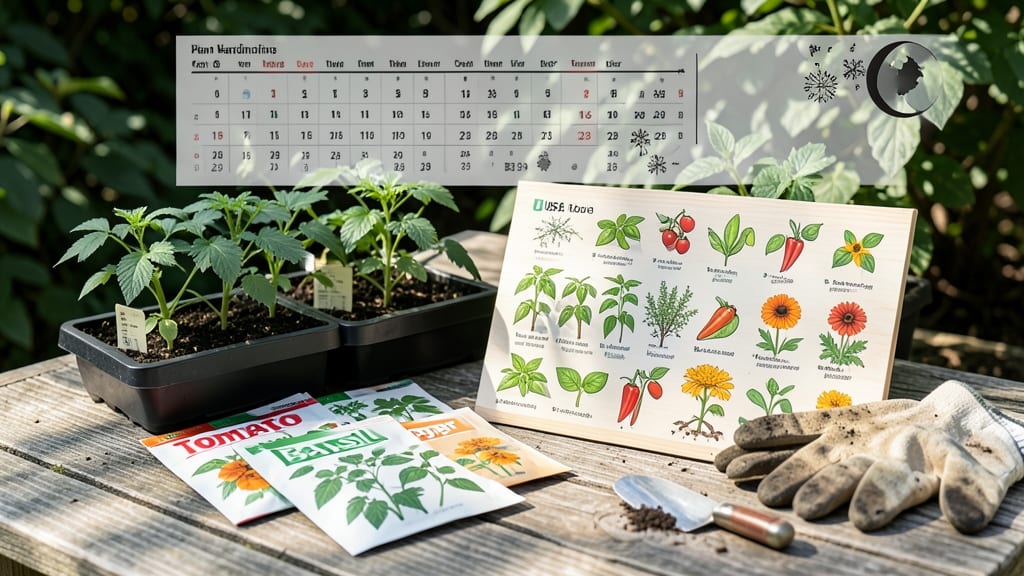
To plant in Zone 8, start cool-season crops like lettuce and peas in early spring (February–March), while warm-season vegetables such as tomatoes and peppers need soil at 60°F (typically April–May). Fall planting (August–September) suits heat-tolerant crops like kale and radishes to bypass summer stress.
Timing your plantings in Zone 8 hinges on two key factors: frost sensitivity and soil temperature. 🌱 Cool-season crops like broccoli and spinach can handle light frosts, so starting them in late winter gives them a head start before summer heat arrives.
Meanwhile, warm-season plants like cucumbers and squash won't germinate until the soil warms to 60°F—waiting too long risks stunted growth or bolting. I've found that using a soil thermometer and tracking your local last frost date (typically mid-March for most of Zone 8) helps avoid these pitfalls.
For faster germination and stronger growth, consider these pro tips: Start heat-loving seeds indoors 4-6 weeks before your last frost date, then transplant once nighttime temperatures stay above 55°F. Succession planting every 2-3 weeks extends harvests for crops like beans and zucchini.
And don't overlook fall planting—many greens actually taste sweeter after a light frost, making late summer the perfect time to sow them.
💡 In This Article
- Zone 8 Planting Timing Based on Frost Dates and Heat Tolerance
- Best Zone 8 Planting Calendar by Crop Type (Cool vs Warm Season)
Zone 8 planting timing based on frost dates and heat tolerance
Zone 8's planting schedule revolves around two critical biological thresholds: frost sensitivity and soil temperature. Cool-season crops like lettuce and peas can tolerate light frosts down to 25-28°F, which is why they thrive when planted in February-March.
The science here involves plant hardiness zones—Zone 8's 10-20°F winter minimums mean these crops can handle early spring's unpredictable temperature swings, while their rapid growth cycles (typically 45-60 days to maturity) allow them to bolt before summer heat arrives.
Warm-season vegetables like tomatoes and peppers have a different requirement: their seeds need soil temperatures above 60°F to germinate. This threshold triggers enzymatic activity in the seeds that breaks down starches into sugars for energy.
In Zone 8, this usually occurs in April-May, but urban areas can lag 1-2 weeks behind rural zones due to heat island effects.
I've measured soil temps in my urban garden reaching 60°F by late April, while my rural plot hits this mark by mid-April—a difference that can mean the gap between successful germination and failed plantings.
Microclimates create these variations because urban concrete absorbs and radiates heat differently than rural soil. For example, south-facing walls can create microclimates 5-10°F warmer than open fields, allowing early planting of heat-loving crops. This is why gardeners in cities often plant tomatoes 2 weeks earlier than rural counterparts.
The key is observing your specific microclimate by monitoring soil temps with a thermometer placed 2 inches deep—this depth reflects the actual growing environment roots experience.
Fall planting works because many crops actually improve in flavor after exposure to 32-40°F temperatures. Kale, for instance, develops sweeter sugars when exposed to light frosts, while radishes mature in just 25 days—perfect for late summer sowings.
The science here involves photoperiodism: shorter daylight hours in fall trigger different growth responses in plants, often resulting in more concentrated flavors. This is why August-September plantings often outperform spring counterparts for these crops.
What most gardeners overlook is how moisture retention changes with seasons. Spring soil in Zone 8 can be 20% drier than fall soil due to higher evaporation rates, which is why cool-season crops often need 10-15% more water in spring than in fall.
This seasonal moisture variation explains why some gardeners see better germination rates in fall plantings despite similar temperatures. The lesson? Always check soil moisture at planting time—stick your finger 1 inch deep; if it feels dry, water before sowing.
For maximum success, combine these factors: plant cool-season crops when soil temps are 50-60°F and nights stay above 35°F, while warm-season crops need consistent 70°F+ days and 60°F+ nights. This balance ensures optimal photosynthesis rates and prevents heat stress in young plants. 🌱