
Planting
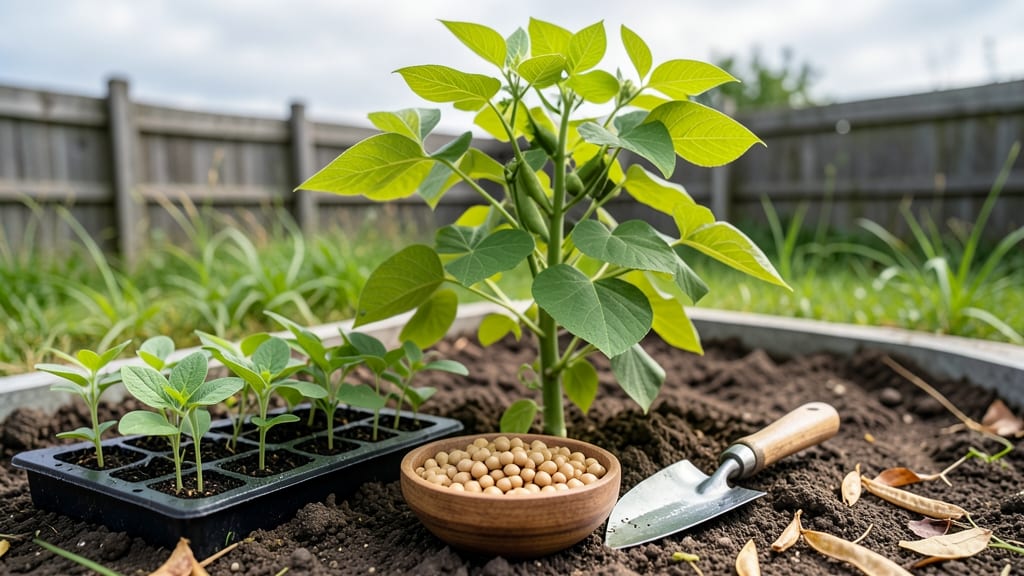
Plant soybeans in Mississippi between mid-April and early July, with the ideal window being April to May when soil temperatures hit 60°F and frost risk fades.
Mississippi’s warm climate and long growing season make it a prime location for soybean farming—but planting at the wrong time can mean lower yields or even crop failure. Timing is everything, especially in USDA Zones 7B-8A where heat and humidity play critical roles.
If you’re growing early-maturing varieties, you can push planting into late March, but wait until after the last frost date (around March 15) to avoid stunted growth. For late-maturing types, aim for early June to ensure pods mature before the first frost in November.
Below, I break down the best planting windows by region, soil temperature thresholds, and how to adjust for rainfall patterns—so you can maximize your harvest from late August to October.
Optimal soybean planting dates in Mississippi by USDA zone 7B-8A
Mississippi’s USDA Zones 7B-8A offer a 215-day frost-free growing season, perfect for soybeans—but timing matters. Plant too early, and frost damage risks your crop. Wait too long, and you’ll miss the 90-day maturity window for most varieties.
The ideal planting window spans from mid-April to early July, with peak success in April and May when soil temperatures hit 60°F+ consistently.
In Zone 7B (northern Mississippi), aim for April 15 to May 15 to avoid late spring frosts.
For Zone 8A (southern Mississippi), you can extend planting until early June while still ensuring a full harvest before fall rains. Early maturing varieties (70-80 days) give you flexibility for late plantings, while late varieties (90-120 days) need early starts.
Here’s the breakdown of Mississippi’s soybean planting windows by region and soil readiness:
| Planting Window | USDA Zone | Soil Temp Threshold | Frost Risk | Best Varieties |
|---|---|---|---|---|
| Mid-April to May 15 | 7B (North MS) | 60°F+ | Low (after April 15) | Early maturing (70-80 days) |
| April 15 to June 1 | 8A (South MS) | 60°F+ | Very Low | Mid-late maturing (80-100 days) |
| Late May to early July | Both Zones (Late Planting) | 65°F+ | None | Very early maturing (<70 days) |
Mississippi’s Delta region (Zone 8A) has a longer growing season, allowing for June plantings of short-season varieties like ‘Bragg’ or ‘Hill’. Meanwhile, coastal areas (e.g., Biloxi) can push planting to early July if you choose ultra-early varieties like ‘Centennial’ (68 days).
Always check your last frost date—northern Mississippi’s average is March 15, while southern areas may see frost as late as February 28.
Soil temperature is your #1 guide. Use a soil thermometer to confirm 60°F+ at 2-inch depth before planting. Cold soils slow germination, and soybeans won’t thrive below 55°F.
In Zone 7B, this typically aligns with mid-April, while Zone 8A can start as early as late March in protected microclimates like raised beds.
For container gardening, extend your planting window by 2-3 weeks—containers warm up faster. Place pots in full sun and use black plastic mulch to raise soil temps by 5-10°F.
This trick works especially well for urban gardeners in Jackson or Hattiesburg where space is limited but heat is abundant.
Mississippi’s humidity and summer rains mean late plantings after June 15 carry higher disease risks. If you must plant late, choose disease-resistant varieties like ‘Williams 82’ and monitor for soybean cyst nematodes. Early morning planting (before 9 AM) reduces stress from afternoon heat.
Pro tip: Direct-seed soybeans at 1.5-inch depth for best results. Avoid transplanting—soybeans hate root disturbance. In home gardens, space seeds 3-4 inches apart in rows 18-24 inches apart to allow airflow and reduce fungal issues.
Track your planting dates in a garden journal. Note soil moisture, rainfall patterns, and first flower dates—this data helps you refine timing for future years. For example, dry springs (like 2020) may require irrigation to maintain soil moisture during germination.
Remember: Mississippi’s heat is your ally—but only if you plant at the right time. Get it wrong, and you’ll battle bolting, poor pod set, or early senescence. Get it right, and you’ll enjoy high-protein harvests from late August to October. 🌱
Key factors that determine Mississippi soybean planting success
Mississippi’s soybean farmers know timing isn’t just about dates—it’s about soil temperature, frost risk, and rainfall patterns that create the perfect growing window. In USDA Zones 7B-8A, where summers stretch long and humid, these factors can mean the difference between a high-yield harvest and struggling plants.
Let’s break down what truly matters when you’re ready to plant your soybean seeds.
First, soil temperature is your most critical gauge. Soybeans won’t germinate well below 50°F, but they thrive once soil hits 60°F or warmer.
In Mississippi, this usually aligns with late April to early May in most regions, but cooler microclimates like the northern Delta may need to wait until May. Using a soil thermometer ensures you’re planting at the ideal temperature threshold for strong germination.
Next, frost-free dates dictate your planting window. Mississippi’s last average frost typically falls around March 15, but late frosts can linger into April, especially in higher elevations.
To maximize your growing season, plant at least 2 weeks before the last expected frost—this gives seedlings time to establish roots before summer heat arrives. For early maturing varieties, this might mean starting in late April, while late-season varieties can wait until early June.
- 1 Soil Temperature: Wait until soil reaches 60°F+ for optimal germination. Use a soil thermometer to confirm—cool soil slows growth and increases disease risk.
- 2 Frost-Free Window: Plant 2 weeks before the last frost (typically by April 15 in most of MS). Late frosts can devastate young seedlings, so check local USDA frost maps.
- 3 Rainfall Timing: Aim for 1-1.5 inches of rain weekly during flowering (June-July). Drought stress here reduces pod set by up to 40%. Irrigate if natural rainfall falls short.
- 4 Variety Maturity: Early varieties (e.g., 'Bragg') need 80-90 days to mature—plant by May 1. Late varieties (e.g., 'Dare') can wait until June 1 for 100+ days to harvest.
- 5 Soil pH & Prep: Test soil pH (6.0-7.0 ideal). Amend with lime if below 6.0. Tillage or no-till? Mississippi farmers see 5-10% yield gains with no-till for moisture retention.
Don’t overlook rainfall patterns, especially during the critical flowering and pod-set stages (June-July). Mississippi’s summer storms provide much-needed moisture, but prolonged dry spells can slash yields by up to 40%.
If natural rainfall drops below 1 inch per week, supplement with drip irrigation to keep soil consistently moist. Overhead watering can spread diseases like bacterial blight, so precision matters.
Choosing the right soybean variety based on maturity is another game-changer. Early maturing varieties (e.g., 'Bragg' or 'Hutcheson') thrive when planted by May 1 and reach harvest in 80-90 days, avoiding late-season heat stress. Late-season varieties like 'Dare' can wait until June 1 for a 100+ day growing window, ideal for regions with longer summers.
Always match your variety to your planting date to ensure pods mature before the first frost.
Finally, soil preparation sets the stage for success. Mississippi’s clay-heavy soils benefit from organic matter like compost or cover crops to improve drainage. Aim for a pH between 6.0 and 7.0—soybeans fix their own nitrogen, but ideal pH ensures they access other nutrients efficiently.
A simple soil test before planting can save you from nutrient deficiencies that stunt growth.
By mastering these five key factors, you’ll turn Mississippi’s climate into your soybean ally. Plant at the right temperature, avoid frost, time rainfall, pick the right variety, and prep your soil—and watch your yield potential soar. Happy planting! 🌱