
Vegetables
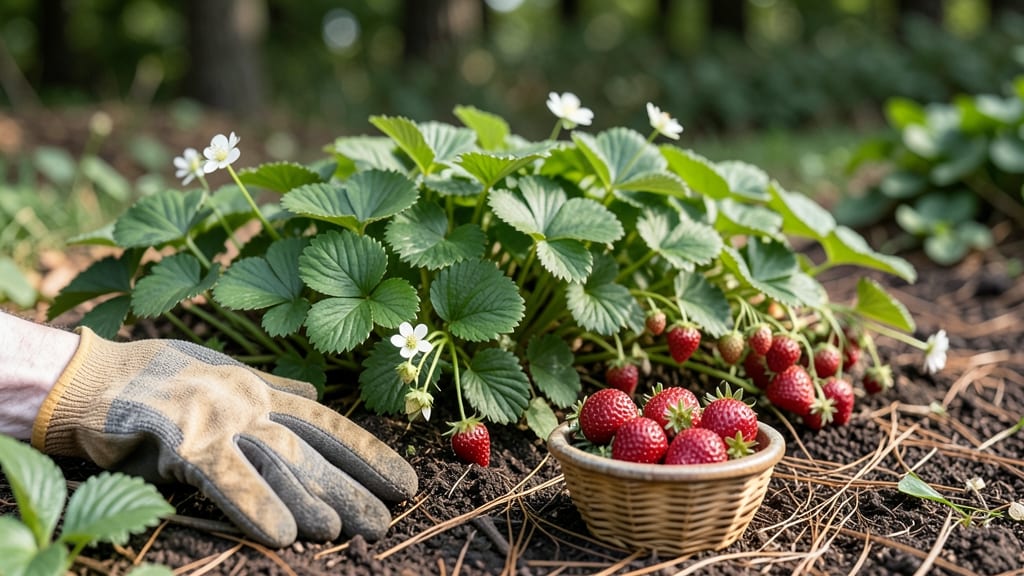
Wild strawberries are edible for humans and safe to eat, offering a sweeter, more intense flavor than cultivated varieties, though proper identification is critical to avoid toxic look-alikes like bittersweet nightshade or deadly nightshade.
Wild strawberries are indeed safe for human consumption when properly identified, with a flavor profile that's often more complex and aromatic than store-bought varieties. 🌿 Their smaller size and concentrated sweetness make them a prized ingredient in gourmet dishes, though their delicate nature means they're best enjoyed fresh or lightly processed.
I always recommend foraging with a field guide or expert—mistaking these berries for toxic plants can have serious consequences, so never eat anything unless you're absolutely certain about its identity.
These wild berries aren't just delicious—they're packed with nutrients like vitamin C, manganese, and antioxidants that support overall health. Their bright red color is a natural indicator of ripeness, but always check for firmness and a slight give when pressed.
Harvesting them at their peak ensures the best flavor, which is why I suggest picking them in the early morning when sugars are most concentrated.
💡 In This Article
- How to Identify Edible Wild Strawberries Safely
- Harvesting and Preparing Wild Strawberries for Optimal Flavor
How to identify edible wild strawberries safely
The key to safely eating wild strawberries lies in their botanical features. True wild strawberries (Fragaria vesca) have distinctive five-petal white flowers with yellow centers, and their leaves grow in a trifoliate pattern with serrated edges resembling a saw.
The berries themselves are typically 5-10mm in diameter, bright red when ripe, and grow low to the ground on slender stems. 🌱 These features help distinguish them from toxic look-alikes like bittersweet nightshade, which has smooth leaves and grows on woody vines.
Regional variations exist in wild strawberry species, so always verify local flora. For example, the alpine strawberry (Fragaria vesca subsp. vesca) thrives in cooler climates with smaller berries, while the beach strawberry (Fragaria chiloensis) grows near coastlines with larger fruit.
The berry's attachment is another clue—wild strawberries grow directly from the stem, unlike some toxic berries that attach via a stem or pedicel. Always crush a small piece between your fingers: edible strawberries release a sweet, fragrant aroma, while toxic berries often smell bitter or unpleasant.
Seasonality plays a role too. Wild strawberries typically ripen between late spring and early summer, depending on your region. I recommend foraging during this window and avoiding berries that are overripe or moldy, as these may attract pests or spoil quickly.
A good rule of thumb: if the berry is too large, too dark, or growing on a plant with smooth leaves, it's best to avoid it. When in doubt, consult a local foraging guide or app designed for your area.
Toxic look-alikes like deadly nightshade (Atropa belladonna) or bittersweet nightshade (Solanum dulcamara) can be deadly. Deadly nightshade berries are glossy black when ripe and grow on plants with oval leaves and purple-black stems. Bittersweet nightshade berries are red-orange and grow in clusters, while the plant itself has hairy stems.
Never consume any berry unless you're absolutely certain of its identity—when it comes to wild edibles, caution is your best tool. 🚨
Another trick is to observe the plant's growth habit. Wild strawberries spread via runners (stolons) that root at nodes, creating a low-growing mat. Toxic plants often grow upright or climb.
If you're still unsure, take a photo and compare it to verified sources like the USDA Plants Database or local foraging groups. Many regions also host guided foraging tours where experts can help you learn these distinctions firsthand.
Once you're confident in your identification, you can enjoy these berries with peace of mind. Their flavor is often described as more aromatic and complex than cultivated strawberries, with notes of honey and citrus.
This intensity comes from their higher sugar concentration and lower water content—wild strawberries contain about 10% sugar by weight, compared to just 5-7% in commercial varieties. 🍓