
Planting
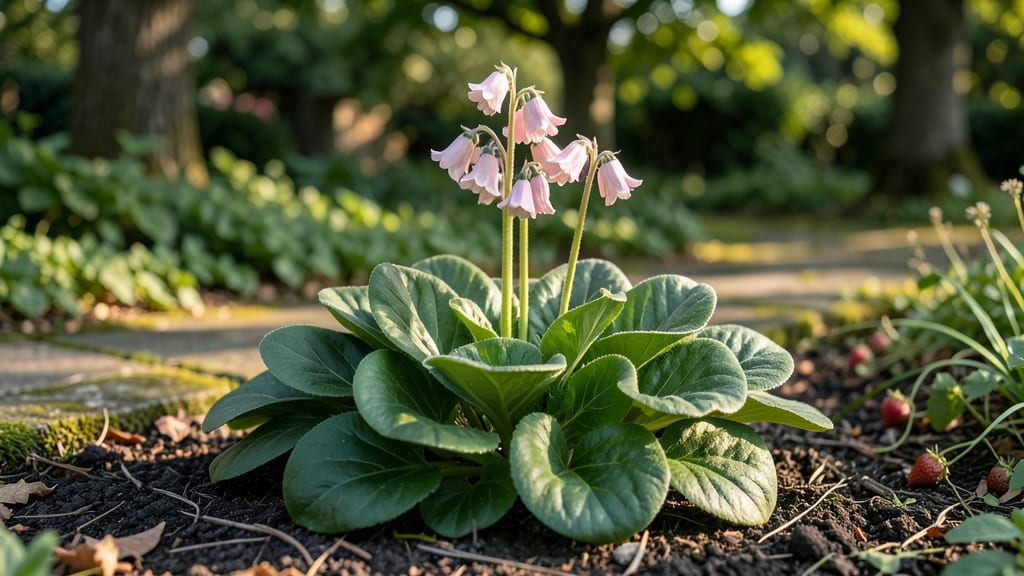
Bergenia plant care is all about embracing its cold-hardy, low-maintenance nature—those velvety evergreen leaves and cheerful spring blooms practically take care of themselves once you get the basics right. 🌱 I’ve grown Bergenia for years, and it’s become my go-to shade plant because it thrives where others fail, even in harsh winters. The secret? Mimicking its natural woodland habitat with just a few simple adjustments.
These plants love partial to full shade, especially in hotter climates, but they’ll tolerate morning sun if your winters are brutal. Watering is easy—keep soil evenly moist in the first year, then let it dry slightly between waterings once established.
Well-draining, fertile soil (amend with compost if needed) is all they ask for, and they’ll reward you with those signature leathery leaves that stay green all winter long.
Pruning is where Bergenia shines—cut back old flower stalks in early spring before new growth appears, and you’ll get bolder blooms and a neater appearance. A light application of balanced fertilizer in early spring keeps them vigorous without fuss.
The best part? They’re drought-tolerant once established and rarely bothered by pests, making them a true low-maintenance superstar.
For winter care, simply leave the foliage—it insulates the crown and adds texture to your garden. In late winter or early spring, you can trim any damaged leaves, but otherwise, Bergenia’s cold hardiness means zero winter prep required.
Whether you’re a beginner or a seasoned gardener, this plant delivers year-round interest with almost no effort.
📚 In This Guide
- What you need
- Instructions
- Tips and common mistakes
- Wrapping up and next steps
What you need
- ● Bergenia plants: 1–3 bare-root or potted plants (choose varieties like Bergenia cordifolia or Bergenia 'Senator' for vibrant blooms).
- ● Well-draining soil: 3–5 gallons of a mix of 50% garden soil, 30% compost, and 20% perlite or coarse sand (amend clay soil for better drainage!).
- ● Mulch: 2–3 inches of organic mulch (shredded bark, straw, or pine needles) to protect roots in winter.
- ● Fertilizer: Balanced 10-10-10 or slow-release granular fertilizer (1 tbsp per plant at planting time).
- ● Garden trowel or spade: For digging holes (6–8 inches deep and wide).
- ● Gloves: Heavy-duty gardening gloves (Bergenia has sturdy leaves—protect your hands!).
- ● Watering can or hose with nozzle: For gentle watering (avoid soaking the leaves).
- ○ Pruners (optional): Sharp bypass pruners for trimming dead foliage in early spring.
- ● Sunlight: Partial shade (4–6 hours of morning sun; afternoon shade in hot climates).
- ● Hardiness zone: 3–8 (Bergenia thrives in cold winters!).
- ● Spacing: 12–18 inches apart (allows leaves to spread beautifully).
Step-by-Step guide to Bergenia plant care
Bergenias thrive with minimal fuss—here’s how to keep them lush and blooming for years.
🌱 Step 1: Choose the Right Planting Location
Bergenias love partial to full shade, especially in hotter climates where afternoon sun can scorch their velvety leaves. I always plant mine where they’ll receive 3-6 hours of morning sunlight—think dappled shade under deciduous trees or along north-facing foundations. The key is avoiding intense afternoon rays, which cause leaf burn.
Test your spot by observing how sunlight moves across the area throughout the day. Bergenias tolerate full shade in southern regions but will still produce flowers with some morning light. Amend heavy clay soil with 2-3 inches of compost before planting to improve drainage—these plants hate soggy roots.
☀️ Step 2: Plant at the Correct Depth and Spacing
Dig a hole twice as wide as the root ball but only as deep as the container’s base—planting too deep suffocates the crown. Gently remove the plant from its container and tease apart any circling roots with your fingers. This encourages outward growth instead of girdling.
Space plants 18-24 inches apart to allow for their eventual 18-inch spread and to prevent overcrowding, which leads to mildew. If planting multiple bergenias, arrange them in odd-numbered clusters (3, 5, or 7) for a natural, fuller look. Water deeply after planting to settle the soil around the roots—you’ll know it’s right when the surface looks slightly firm but not compacted.
💧 Step 3: Water Deeply but Infrequently
Bergenias are drought-tolerant once established, but they need consistent moisture during their first growing season. Water deeply once a week during dry spells, aiming for 1 inch of water total. The soil should feel moist 2 inches below the surface—use your finger to check. Overwatering causes root rot, so avoid frequent shallow watering.
Mulch with 2-3 inches of shredded bark or wood chips to retain moisture and regulate soil temperature. Keep mulch 3 inches away from the stem to prevent rot. In winter, the mulch layer acts as insulation, protecting the crown from extreme cold snaps—bergenias handle Zone 3-9 winters with ease.
✂️ Step 4: Prune for Health and Blooms
Cut back old flower stalks to the ground in early spring (before new growth emerges) to encourage fresh blooms. I use clean, sharp pruners to avoid tearing the stems. Never prune the foliage—those thick, leathery leaves store energy for next year’s growth. If leaves yellow in late summer, that’s normal; they’ll die back naturally before winter.
Divide clumps every 3-4 years in early spring or fall to rejuvenate the plant. Dig up the entire clump, separate the sections with a sharp spade, and replant the healthiest divisions. This prevents overcrowding and keeps flowers vibrant. Bergenias spread slowly but steadily—give them space to thrive.
🌿 Step 5: Protect Against Pests and Diseases
Bergenias rarely have pest issues, but slugs and snails may nibble on young leaves. Set out beer traps (a shallow dish of beer buried at soil level) or use iron phosphate bait for organic control. Avoid chemical sprays—they can damage the velvety foliage and harm beneficial insects.
If you notice powdery mildew (white dust on leaves), improve airflow by thinning nearby plants and avoid overhead watering. Remove affected leaves immediately and treat with neem oil if needed. Healthy bergenias are resilient—most issues stem from overcrowding or poor drainage.
Tips & tricks for perfect Bergenia plant care
These hardy perennials reward patience with stunning foliage and vibrant blooms—here's how to maximize their potential.
Lighting Strategy: The 3-6 hours of morning sunlight in Step 1 is your golden window. If your garden has intense afternoon sun, consider planting bergenias near a north-facing wall where they'll receive indirect light. I've found that even in full shade, bergenias still produce flowers, though the foliage may be slightly less vibrant. The key is avoiding that harsh afternoon sun that can scorch their delicate leaves.
Root Care: When teasing apart circling roots in Step 2, don't rush this process. Take your time to gently separate each root with your fingers—this encourages outward growth rather than creating a girdled root ball that can strangle the plant. I've seen bergenias struggle when planted with tight root circles, so this step truly makes the difference between a struggling plant and one that thrives.
Watering Wisdom: The once-weekly deep watering in Step 3 requires consistency. Use a rain gauge or tuna can to measure exactly 1 inch of water—this prevents both underwatering and the root rot that comes from overwatering. I've learned that checking soil moisture 2 inches below the surface with your finger is more reliable than relying on a schedule, especially during unpredictable weather patterns.
Pruning Precision: When cutting back old flower stalks in early spring, aim to remove them completely down to the ground. The temptation is to leave some stem, but this can harbor pests and diseases. I've noticed that bergenias actually reward this aggressive pruning with even more vigorous new growth and brighter blooms the following season. Just remember—never cut into those thick, leathery leaves that store energy for next year.
Pro Tips for Bergenia Plant Care
- These hardy perennials reward patience with stunning foliage and vibrant blooms—here's how to maximize their potential.
- Lighting Strategy: The 3-6 hours of morning sunlight in Step 1 is your golden window.
- Root Care: When teasing apart circling roots in Step 2, don't rush this process.
Frequently asked questions
How do I know if my Bergenia is getting enough sunlight?
Bergenia thrives in partial shade (3–6 hours of sun daily) but tolerates full shade in hotter climates. Look for leggy stems or sparse blooms? It might need more light. Conversely, yellowing leaves could signal too much harsh sun—especially in afternoon heat. A spot near a tree’s dappled shade is ideal!
Can Bergenia survive winter in cold climates (Zone 3–4)?
This plant is a winter warrior—it’s hardy to -25°F (-31°C) and often stays green under snow. For extra protection, mulch with 3–4 inches of organic matter (like shredded leaves) after the first frost. Just avoid piling mulch directly against stems to prevent rot.
Why aren’t my Bergenia leaves staying green year-round?
Healthy Bergenia leaves can brown or crisp in winter (normal!) but should rebound in spring. If they stay yellow, mushy, or wilted, check for:
- Overwatering: Bergenia hates soggy soil—ensure well-draining soil.
- Fungal issues: Remove affected leaves and improve airflow.
- Nutrient deficiency: Feed with balanced fertilizer in early spring.
What’s the best way to propagate Bergenia?
The easiest method is division in early spring or fall:
- Dig up the plant and gently separate sections with roots.
- Replant divisions 12–18 inches apart in well-prepared soil.
- Water lightly for the first week.
Are there any pests or diseases I should watch for?
Bergenia is pest-resistant, but keep an eye out for:
- Slugs/snails: Use copper barriers or beer traps if leaves develop holes.
- Powdery mildew: Spray with neem oil if white dust appears (common in humid areas).
- Root rot: Avoid waterlogging—amend heavy clay soil with compost.
Pro Tip:
For showstopping blooms, deadhead spent flowers in early summer. This encourages more vibrant spring blooms and keeps the plant tidy. Plus, the velvety foliage makes a stunning ground cover—perfect for year-round interest!
Wrapping up and next steps
Caring for your bergenia plant is a rewarding experience—its stunning foliage and cheerful spring blooms make it a standout addition to any garden! 🌿 With the right location, soil, and minimal upkeep, this cold-hardy perennial thrives effortlessly, even in challenging climates.
Whether you’re a seasoned gardener or just starting, bergenia’s resilience and beauty prove that stunning results don’t require complicated care.
Ready to watch your garden flourish? Grab your gloves, pick a sunny spot, and follow our step-by-step guide to get growing! 🌱