
Planting
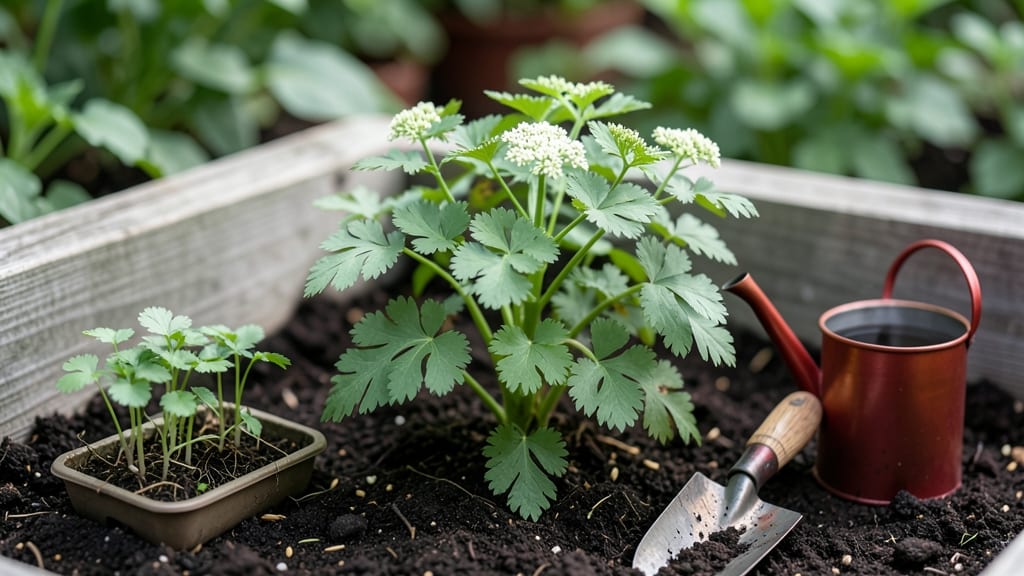
Planting cilantro in the right spot is the secret to bold, flavorful leaves instead of bitter bolts — and the best place isn’t always full sun.
Struggling to grow cilantro with vibrant, aromatic harvests? The issue might be your planting location. Too much direct sun sends cilantro bolting faster than you can say "taco night," while too little shade stunts growth. The sweet spot? A balance of morning sunlight and afternoon shade, especially in warmer climates.
For most gardeners in Zone 6, that means choosing a spot with 4-6 hours of sunlight daily, like near a north-facing wall or under a light dappled tree. Containers on patios also work well, as long as they get morning light and afternoon relief from the heat.
Below, I’ll break down the exact microclimates cilantro loves, how to adjust for your region, and the simple fixes that keep your cilantro 🌿 thriving all season long.

Why partial shade is the best place to plant cilantro
Cilantro thrives when given just the right amount of sunlight—too much scorches its delicate leaves, while too little stunts growth. The sweet spot is partial shade, where morning sun jumpstarts photosynthesis and afternoon shade prevents heat stress. This balance keeps your cilantro lush, flavorful, and bolt-free for weeks longer.
Understanding cilantro’s light needs starts with its native habitat. In its Mediterranean origins, cilantro grows in cool, moist climates with dappled sunlight filtering through trees. Replicating this environment in your garden is key to avoiding the dreaded bolting (when cilantro flowers prematurely and turns bitter).
Here’s the science: Direct sunlight triggers a natural survival response in cilantro, causing it to bolt and produce seeds. However, 4-6 hours of morning sun followed by afternoon shade keeps temperatures moderate and stress levels low. This ideal light range ensures slow, steady growth without sacrificing flavor.
Microclimates play a huge role in cilantro’s success. In hot, dry regions, even partial shade can mean the difference between a thriving plant and a sad, wilted one.
Meanwhile, in cooler coastal areas, cilantro might tolerate slightly more sun. Always observe your plant’s response—yellowing leaves or rapid bolting are clear signs of light stress.
| Light Condition | Sunlight Hours | Growth Impact | Best For |
|---|---|---|---|
| Full Sun | 6+ hours | Rapid bolting, bitter leaves | Avoid in hot climates |
| Partial Shade | 4-6 hours | Slow, lush growth | Ideal for most regions |
| Deep Shade | <2 hours | Leggy, weak stems | Emergency backup |
| Morning Sun + Afternoon Shade | 3-5 hours | Best flavor, slow bolting | Top choice for hot areas |
Temperature and humidity also influence how cilantro handles light. In humid climates, cilantro can tolerate slightly more shade because the air stays cooler. Conversely, in arid regions, even partial shade helps retain soil moisture and prevent wilting.
A shade cloth (30-50%) can be a lifesaver during peak afternoon heat.
For container gardeners, positioning is everything. Place pots near east-facing windows or under tree canopies where they receive gentle morning light. Avoid south-facing spots, which bake cilantro in the afternoon. Even a 50% shade cloth over containers can extend your harvest season by weeks.
Seasonal adjustments are crucial. In spring and fall, cilantro can handle more sunlight (up to 6 hours). But during summer’s peak heat, reduce exposure to 3-4 hours of morning sun only. Watch for leaf curl or yellowing—these are early warnings of too much sun.
Pro tip: If your cilantro starts bolting, it’s already too late to save that batch. But by adjusting its light exposure next time, you’ll prevent future bolting and enjoy fresh leaves all season.
The key is patience—cilantro rewards careful light management with bold, aromatic foliage that’s perfect for salsas and soups.
Remember, every garden is unique. Experiment with different light spots, and keep a plant journal to track what works best in your microclimate. With the right balance of sun and shade, you’ll grow cilantro that’s flavorful, abundant, and ready to harvest whenever you need it. 🌿
Top 3 microclimates for growing cilantro (even in hot climates)
If you’ve ever planted cilantro only to watch it bolt into flower stalks before you can harvest a single leaf, you’re not alone. The key to growing flavorful cilantro lies in choosing the right microclimate—one that keeps temperatures cool and sunlight balanced.
In hot climates, where direct sun can turn cilantro bitter, these three spots create the perfect growing conditions.
Cilantro thrives where it gets morning sunlight but escapes the intense afternoon heat. This balance prevents bolting while ensuring enough light for robust growth. Whether you’re in a desert, coastal area, or humid region, these microclimates adapt to your local conditions to keep your cilantro happy and productive.
-
1. Morning Sun + Afternoon Shade
Plant cilantro where it receives 3-4 hours of morning sun (6 AM–10 AM) and shifts to dappled shade by noon. Use nearby trees, fences, or shade sails to block afternoon rays. Ideal for desert climates or south-facing gardens. -
2. Dappled Woodland Gardens
Under deciduous trees (like oak or maple), cilantro gets filtered sunlight all day. The canopy reduces heat stress while allowing enough light for growth. Perfect for humid or coastal regions where full sun is too harsh. -
3. Container Setups on Patios
Move potted cilantro to a shaded patio or balcony after 10 AM. Use lightweight containers with drainage to prevent overheating. Great for urban gardens or apartments with limited outdoor space.
For coastal climates, prioritize spots with morning sun and afternoon breezes to prevent fungal issues. In desert areas, focus on afternoon shade and mulch heavily to retain moisture. Containers are especially useful here, as they heat up faster and can be moved as needed.
Pro tip: If your garden lacks natural shade, use shade cloth (30-50%) during peak heat hours (12 PM–4 PM). This mimics the ideal microclimate without sacrificing sunlight entirely. Pair this with consistent watering to keep soil evenly moist but not soggy.
By choosing one of these microclimates, you’ll avoid the bitter bolt curse and enjoy fresh cilantro leaves all season long. Start with one spot, monitor the plant’s response, and adjust as needed—your taste buds will thank you! 🌿