
Planting
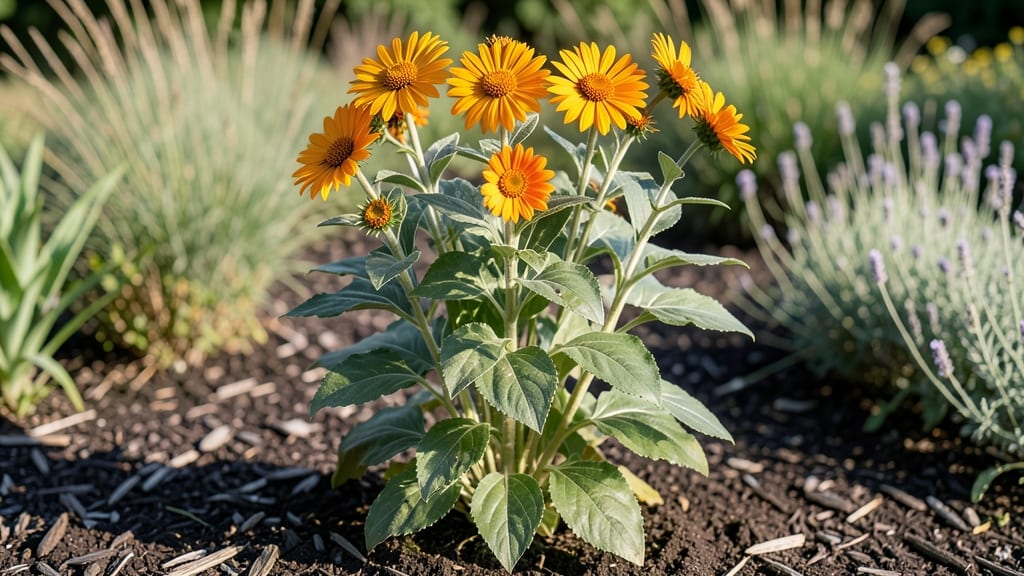
Growing the birds of heaven plant (Tithonia diversifolia) turns your garden into a buzzing pollinator paradise with almost no effort. 🌻 I’ve watched hummingbirds and bees flock to mine within weeks of planting—it’s that irresistible.
This drought-tolerant beauty thrives in heat and cold snaps alike, making it the ultimate low-maintenance showstopper.
The secret to its success? Full sun and well-draining soil—no fancy amendments needed. My plants grow wild in average garden dirt, though they reward richer soil with taller, more vibrant blooms.
Water deeply once a week (more in extreme heat), and you’ll see those fiery orange flowers explode by midsummer. Prune back leggy stems in early spring to encourage bushier growth.
By late summer, you’ll have a 6-foot-tall pollinator magnet that keeps blooming until frost. The flowers stay fresh-cut for days in vases, and the seed pods add winter interest. It’s the kind of plant that makes neighbors ask, "What’s that?"—then watch in awe as butterflies land on it.
Perfect for borders, cottage gardens, or even containers. Just give it space—this plant doesn’t play small. Ready to grow one? Let’s get those roots in the ground!
📚 In This Guide
- What you need
- Instructions
- Tips and common mistakes
- Wrapping up and next steps
What you need
- ● Birds of Heaven seeds or young plants: 3–5 seeds per container or 1–2 plants per garden spot (start indoors 6–8 weeks before last frost or buy nursery-grown seedlings).
- ● Well-draining potting mix: 1–2 bags (for containers) or enrich garden soil with compost (1–2 cubic feet per planting area).
- ○ Containers (optional but helpful): 5–10 gallon pots with drainage holes (if growing in pots).
- ● Garden trowel or transplanting spade: 1–2 (for digging holes or repotting).
- ● Watering can or hose with gentle spray nozzle: 1 (for consistent moisture).
- ● Organic fertilizer (balanced, e.g., 10-10-10): 1 small bag (mix into soil at planting).
- ● Mulch (straw or shredded leaves): 1–2 bags (to retain moisture and suppress weeds).
- ● Grow lights or sunny windowsill: For seed-starting indoors (if not using nursery plants).
- ● Pollinator-friendly companions: Native wildflowers (e.g., coneflowers or black-eyed Susans) to attract bees and butterflies.
- ● Plant supports (bamboo stakes): 1–2 (if stems need light staking as they grow tall).
- ● Pruning shears: 1 pair (for shaping or harvesting flowers).
- ● Drought-resistant soil amendments: Perlite or vermiculite (to improve drainage).
Step-by-step guide to planting and cultivating Birds of Heaven
This stunning perennial thrives in cold climates and creates a pollinator paradise—here's how to grow it successfully.
🌱 Step 1: Choose the Perfect Planting Location
Birds of Heaven (Clerodendrum trichotomum) loves full sun to partial shade, with at least 6 hours of direct sunlight daily. I always plant mine in a spot that gets morning sun and afternoon shade, especially in hotter climates—this prevents leaf scorch while still encouraging abundant blooms. The plant's natural spread of 4-6 feet wide makes it ideal for garden borders or as a focal point in perennial beds.
Check your site's drainage first. Birds of Heaven tolerates a range of soil types but hates soggy roots. If your soil drains poorly, amend it with 2-3 inches of compost mixed into the top 12 inches of soil before planting. You'll know you've got the right conditions when the soil feels crumbly and drains within 2-3 hours after watering.
🪴 Step 2: Prepare the Soil and Plant
Dig a hole twice as wide as the plant's root ball but only as deep as the container it came in. This prevents burying the stem too deeply, which can cause rot. Gently loosen the roots if they're circling the container—this encourages outward growth. I always add a handful of slow-release organic fertilizer to the hole to give the plant a nutrient boost right from the start.
Place the plant in the hole and backfill with native soil, pressing lightly to remove air pockets. Water deeply right after planting to settle the soil and eliminate air gaps. You'll see the soil surface settle slightly as it absorbs water—this is your signal that the roots are making good contact with the soil. Mulch around the base with 2-3 inches of organic mulch, keeping it 2 inches away from the stem to prevent moisture buildup against the bark.
☀️ Step 3: Water and Maintain for First-Year Growth
Water deeply once a week during the first growing season, aiming for 1-1.5 inches of water per week. Birds of Heaven is drought-tolerant once established, but young plants need consistent moisture to develop strong roots. You'll know you're watering correctly when the top 2-3 inches of soil feel dry to the touch before the next watering.
Fertilize lightly in early spring with a balanced 10-10-10 fertilizer to encourage lush foliage and abundant blooms. I avoid heavy feeding after mid-summer, as this can stimulate tender new growth that won't survive winter. Prune back any dead or damaged stems in late winter to shape the plant and encourage new growth as temperatures warm.
✂️ Step 4: Prune and Overwinter for Long-Term Health
After the first hard frost, cut back the plant by one-third to remove any damaged or dead stems. Birds of Heaven is incredibly cold-hardy (zones 5-9), but a light pruning in late winter helps it focus energy on new growth in spring. I always prune just above a leaf node or bud to encourage branching and a fuller plant.
In early spring, before new growth appears, apply a 2-3 inch layer of mulch around the base to insulate roots and retain moisture. This is also the time to divide mature clumps if they've outgrown their space. Dig up the plant, separate the roots into 3-4 inch sections, and replant immediately. You'll see new shoots emerging from the roots within 2-3 weeks—this is your sign that the division was successful.
Tips & tricks for perfect Birds of Heaven plant cultivation
These insider strategies will help your Birds of Heaven thrive and flourish for years to come.
Lighting Strategy: When choosing that perfect morning sun spot, face the plant toward the east to capture gentle morning rays while avoiding intense afternoon heat. I've noticed my plants in western exposures develop leaf scorch by mid-afternoon, even with the recommended 6 hours of sunlight. A simple trick is to plant taller annuals like sunflowers to the west of your Birds of Heaven to create natural shade during peak sun hours. This creates the ideal microclimate for consistent growth.
Soil Preparation Insight: The 2-3 hours drainage test is crucial but often misunderstood. Fill a container with your soil and water it thoroughly, then measure how long it takes to drain completely. If it takes longer than 3 hours, you'll need to add more compost or consider raised beds. I've found that mixing in perlite or coarse sand can dramatically improve drainage in heavy clay soils without compromising the plant's nutrient needs. This adjustment prevents that dreaded root rot that can silently kill your plant.
Planting Depth Technique: The container depth reference is your secret weapon for preventing stem rot. When checking the container depth, look for the soil line where the plant was growing in its nursery pot. This is your target planting depth—never deeper than this line. I've seen many gardeners bury the stem too deeply, thinking it would provide more stability, only to watch their plants develop fungal issues. Remember, roots need oxygen too, and proper depth ensures they can access it freely.
Watering Wisdom: The 1-1.5 inches weekly guideline works beautifully in most climates, but here's what I've learned about making it work in practice: Use a rain gauge or empty tuna can to measure your water accurately. I've found that many gardeners underestimate how much water they're actually delivering, especially with sprinklers. For the first year, I recommend watering in the morning to reduce evaporation and fungal risks. You'll notice the soil moisture pattern changes as your plant establishes its root system—once it's fully grown, you'll rarely need to water more than once every 10-14 days.
Pro Tips for Birds Of Heaven Plant
- These insider strategies will help your Birds of Heaven thrive and flourish for years to come.
- Lighting Strategy: When choosing that perfect morning sun spot, face the plant toward the east to capture gentle morning rays while avoiding intense afternoon heat.
- Soil Preparation Insight: The 2-3 hours drainage test is crucial but often misunderstood.
Frequently asked questions
Got questions about growing Birds of Heaven (Triumfetta semitriloba)? You’re not alone!
Here are answers to the most common queries to help you cultivate this pollinator-friendly perennial with confidence.
How cold-hardy is the Birds of Heaven plant?
The Birds of Heaven plant thrives in USDA Hardiness Zones 7-11, making it a resilient choice for warm climates and frost-free areas. While it can tolerate brief cold snaps, prolonged freezing temps may damage foliage. Pro tip: Plant in well-draining soil and mulch heavily in winter to protect roots.
When is the best time to plant Birds of Heaven?
For optimal growth, plant in early spring or late fall when soil temps are mild (60–75°F). This gives roots time to establish before extreme heat or cold. Avoid planting during peak summer—young plants may struggle with drought stress. Bonus: Container-grown plants can be transplanted year-round in mild climates.
Does Birds of Heaven attract specific pollinators?
Its tiny white flowers are a magnet for butterflies, bees, and beneficial wasps. The plant’s long blooming season (spring to frost) ensures a steady food source. For extra appeal, pair it with native wildflowers like Milkweed or Coneflower to create a pollinator superhighway!
Can I grow Birds of Heaven in containers?
Yes! This plant adapts well to large containers (12"+ diameter) with drainage holes. Use a light, airy potting mix and water consistently to prevent root rot. Containers also make it easier to move indoors during winter in colder zones. Warning: Avoid overwatering—soggy soil invites fungal issues.
Why aren’t my Birds of Heaven flowers blooming?
Common culprits include over-fertilizing (too much nitrogen), poor sunlight (needs 6+ hours of sun), or root-bound containers. Prune leggy growth in spring to encourage bushiness. If established outdoors, check for underwatering—drought stress can delay blooms. Fix: Thin plants and ensure they’re in well-draining, slightly alkaline soil (pH 6.1–7.8).
Are there non-invasive alternatives to Birds of Heaven?
If you’re concerned about spread, consider these pollinator-friendly perennials with similar traits:
- Mexican Sunflower (Tithonia rotundifolia) – Drought-tolerant, bright blooms
- Blackfoot Daisy (Melampodium leucanthum) – Low-growing, heat-loving
- Firewheel (Gaillardia pulchella) – Long-blooming, deer-resistant
Wrapping up and next steps
The Birds of Heaven plant isn’t just a stunning addition to your garden—it’s a lifeline for pollinators and a resilient, low-maintenance perennial that thrives in colder climates. 🌿 With its vibrant blooms and adaptability, it’s a win-win for both your landscape and local ecosystems.
Ready to make a difference? Grab your gloves, pick a sunny spot, and get planting—your garden (and the bees!) will thank you.
🌱 Next Steps:
- Start small: Try a single plant or a small patch to test your soil and local conditions.
- Spread the word: Share your progress with fellow gardeners—inspire others to create pollinator-friendly spaces!
- Expand your haven: Once you’ve mastered Birds of Heaven, explore other native perennials to diversify your garden.