
Planting
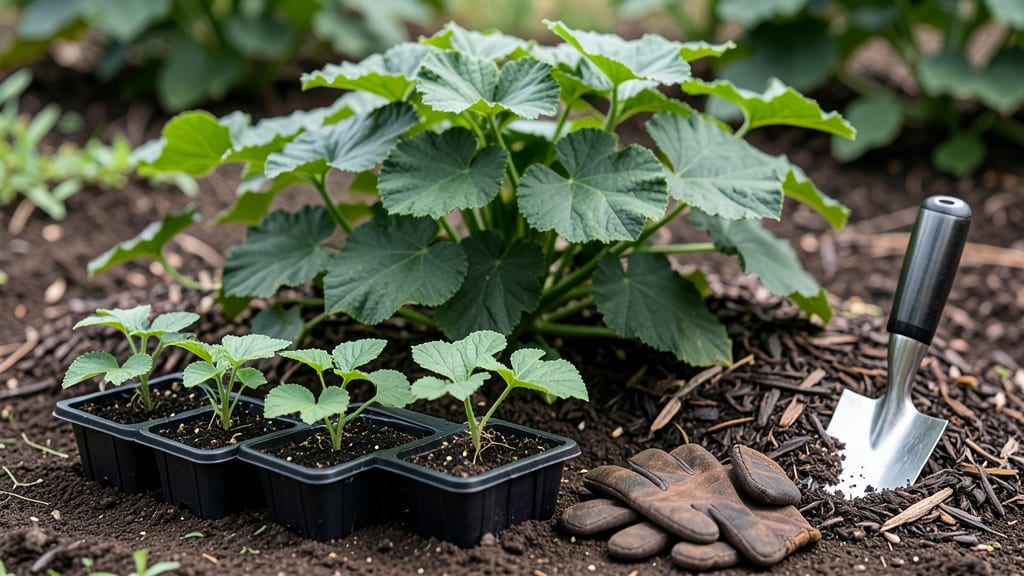
Planting bush cucumber plants with the right spacing—a 12-inch grid—turns a small patch into a high-yield treasure trove—no overcrowding, no tangled vines, just plump cucumbers within reach. 🌱 I learned the hard way that cramming plants too close leads to powdery mildew and stunted growth, but this spacing gives each plant room to thrive while maximizing every square foot of garden space.
The secret lies in balancing sunlight and airflow: cucumbers need 6-8 hours of direct sun and good air circulation to prevent disease. Start with healthy seedlings, then space them 12 inches apart in all directions.
For trellising varieties, add vertical support to keep vines off the ground and improve yield even further. By mid-summer, you'll be harvesting 10-15 cucumbers per plant—firm, flavorful, and free from the bitter taste of overcrowded stress.
The plants stay compact, making them perfect for containers or small gardens, and you avoid the mess of sprawling vines taking over your space. Avoid the common mistake of thinning later—proper spacing from day one saves time and effort.
Pair with radishes or lettuce for natural pest control, and watch your harvest grow without the struggle.
📚 In This Guide
- What you need
- Instructions
- Tips and common mistakes
- Wrapping up and next steps
What you need
- ● Bush cucumber seeds or seedlings: Choose disease-resistant varieties like ‘Bush Champion’ or ‘Spacemaster.’ Aim for 12–15 plants (or adjust based on your garden size).
- ● Well-draining potting mix or garden soil: 50 lbs (for raised beds) or enrich your existing soil with 2–3 inches of compost per square foot.
- ● Fertilizer: A balanced 10-10-10 or organic option like fish emulsion (apply at planting and mid-season).
- ● Mulch: 2–3 inches of straw or shredded leaves to retain moisture and suppress weeds.
- ● Watering can or hose with a gentle spray nozzle: Bush cucumbers need 1–2 inches of water per week (consistency is key!).
- ○ Garden twine or stakes (optional but helpful): Lightweight 4–6 ft stakes (1 per plant) to support vines if they start to sprawl.
- ● Garden trowel or transplanting spade: For digging holes 1–2 inches deeper than the root ball.
- ● Measuring tape or ruler: To ensure 12-inch spacing between plants in all directions.
- ○ Gloves (optional): For comfort while handling soil or prickly vines.
- ○ Pruning shears (optional): For trimming excess foliage or dead leaves to improve airflow.
- ● A sunny location with 6–8 hours of direct sunlight daily (bush cucumbers thrive in full sun!).
- ● Soil temperature of at least 60°F (15°C) (wait until after the last frost if planting outdoors).
- ○ Access to drip irrigation or soaker hoses (optional but ideal for even watering).
Step-by-Step guide to planting bush cucumbers in a 12-Inch grid
Here's how to arrange bush cucumbers for maximum yield without overcrowding—tested in my own garden.
🌱 Step 1: Prepare the Planting Grid Layout
Use a 12-inch spacing between each plant in all directions. I mark my rows with a garden hose or string line first—this ensures perfect alignment and prevents accidental crowding. For 4 plants, you'll need a 3-foot by 3-foot square area.
Loosen the soil to a depth of 12 inches with a broadfork or tiller. Bush cucumbers need well-draining soil, so mix in a 2-inch layer of compost to improve fertility. Press down lightly after amending—you want firm but not compacted soil for good root establishment.
🪴 Step 2: Create Planting Holes at Precise Intervals
Dig holes that are twice as wide as the root ball but no deeper. For bush cucumbers, this means about 6-8 inches wide. Space them exactly 12 inches apart in a square pattern—this gives each plant room to develop strong vines without competing for sunlight.
Gently remove each plant from its container and tease the roots outward if they're circling. Place it in the hole so the top of the root ball sits ½ inch below soil level. This prevents stem rot while encouraging roots to spread into the surrounding soil.
💧 Step 3: Water Deeply and Mulch Immediately
Water each newly planted cucumber with 1 gallon of water to settle the soil around the roots. I like to use a watering wand for gentle, even moisture—this prevents soil erosion and air pockets. Wait until the water drains completely before moving to the next plant.
Spread 2-3 inches of organic mulch around each plant, leaving a 2-inch gap around the stem. Straw or shredded leaves work well—they retain moisture, suppress weeds, and keep soil temperatures stable. Mulch also prevents soil-borne diseases from splashing onto leaves during watering.
☀️ Step 4: Monitor Spacing as Vines Develop
Bush cucumbers will naturally fill the 12-inch radius within 3-4 weeks. You'll notice the first true leaves expanding and vines beginning to spread outward. This is when proper spacing really pays off—crowded plants develop more disease and produce smaller fruits.
If you see vines touching between plants, gently prune the connecting stems with clean pruners. Remove only the overlapping growth, never more than ⅓ of the plant's total foliage. This maintains airflow and prevents fungal issues while still maximizing your yield in the available space.
Tips & tricks for perfect bush cucumber plant spacing
These practical insights will help you achieve the ideal 12-inch grid layout without common gardening pitfalls.
Precision Tools for Perfect Spacing: Grab a simple measuring tape or use a wooden dowel marked with 12-inch intervals to ensure consistent spacing between plants. I've found that marking the grid with a garden hose creates a visual guide that's easy to follow, especially when working with multiple plants. This simple step eliminates guesswork and ensures every plant gets exactly the space it needs to thrive.
Soil Preparation Secret: The 12-inch soil loosening depth in Step 1 is crucial for root penetration, but don't overdo it. I've learned that pressing down lightly after amending creates the perfect balance—roots need firm soil to anchor properly, but not so compacted that they can't spread. Think of it like creating a cozy nest for your cucumber roots to settle into comfortably.
Watering Technique: That 1-gallon watering requirement in Step 3 is non-negotiable for proper root establishment. I recommend using a watering wand with a gentle spray setting to avoid disturbing the soil around the roots. The key is slow, deep watering that encourages roots to grow downward rather than staying shallow. This technique pays off when your plants start producing fruit later in the season.
Mulch Application Strategy: When applying the 2-3 inches of organic mulch, focus on creating a donut shape around each plant with that 2-inch gap around the stem. This creates a moisture barrier that protects the stem from rot while still allowing water to reach the roots. I've found that straw mulch breaks down more slowly than leaves, providing longer-lasting moisture retention and weed suppression.
Pro Tips for Bush Cucumber Plant Spacing
- These practical insights will help you achieve the ideal 12-inch grid layout without common gardening pitfalls.
- Precision Tools for Perfect Spacing: Grab a simple measuring tape or use a wooden dowel marked with 12-inch intervals to ensure consistent spacing between plants.
- Soil Preparation Secret: The 12-inch soil loosening depth in Step 1 is crucial for root penetration, but don't overdo it.
Frequently asked questions
Got questions about bush cucumber spacing?
Here are answers to the most common ones—plus a few pro tips to keep your harvest thriving!
What’s the ideal spacing for bush cucumbers in containers vs. garden beds?
In garden beds, space bush cucumbers 12–18 inches apart in a grid pattern for airflow. In containers, use 1–2 plants per 5-gallon pot (minimum 12" diameter) with well-draining soil. Overcrowding leads to disease—so prioritize room to breathe!
When is the best time to plant bush cucumbers for optimal spacing?
Plant after the last frost when soil reaches 70°F+ (use a soil thermometer!). For cooler climates, start seeds indoors 3–4 weeks before transplanting. Avoid early planting—cold soil stunts roots, making spacing adjustments harder later.
Can I plant bush cucumbers closer than 12 inches if I’m short on space?
Yes, but expect reduced yield and airflow. If you must squeeze them in, use 9–12 inches apart in rows 24–36 inches apart for vining types. For true bush varieties, stick to 12" to avoid fungal issues like powdery mildew.
How do I fix overcrowded bush cucumbers later in the season?
Thin seedlings to 12-inch spacing early (even if it’s tough!). For established plants, prune lower leaves to improve airflow or transplant extras to a new spot. Avoid uprooting mature plants—it stresses them. If all else fails, focus on vertical trellising to maximize space.
Are there bush cucumber varieties that tolerate tighter spacing?
Some compact varieties like ‘Bush Champion’ or ‘Spacemaster’ handle 9-inch spacing better than standard bush types. Check seed packets for "compact" labels. Pair them with dwarf tomatoes or peppers in small gardens for efficient use of space!
Wrapping up and next steps
Perfecting your bush cucumber spacing is the secret to a thriving, high-yield harvest! By following the 12-inch grid layout, you’ll give your plants the ideal room to flourish—minimizing competition while maximizing airflow and sunlight. 🌱 Whether you’re a seasoned gardener or just starting out, this simple tweak can transform your garden into a productive powerhouse.
Now that you’re armed with the right spacing tips, take action! Grab your gloves, mark those rows, and plant with confidence. Watch your bush cucumbers grow strong, healthy, and ready to burst with flavor. Happy gardening—your future harvest is waiting! 🌿