
Planting
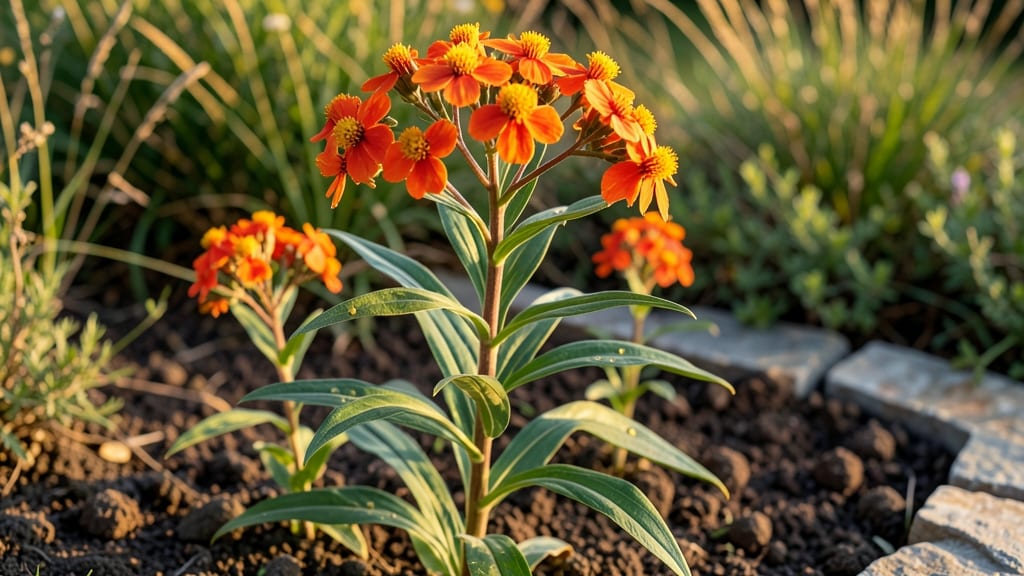
Finding tiny white eggs on your milkweed leaves means monarch butterflies have chosen your garden as their nursery. 🌿 This isn’t a problem—it’s a perfect sign your plant is doing exactly what it should for these iconic pollinators.
Those eggs will soon hatch into caterpillars that’ll transform into butterflies, completing one of nature’s most magical cycles right in your yard.
Milkweed thrives when hosting monarchs—it’s their only food source, and the plant actually benefits from their presence. The caterpillars munch on leaves, but healthy milkweed grows back quickly, and you’ll end up with a thriving plant and a butterfly haven.
Just avoid pesticides, which can harm the eggs or caterpillars, and watch as your garden becomes a monarch hotspot.
The lifecycle unfolds in about a month: eggs hatch into striped caterpillars, then form chrysalises, and finally emerge as vibrant orange butterflies. You’ll see more monarchs visiting your garden as they lay eggs for the next generation. It’s a self-sustaining cycle that rewards patience and care.
If you notice fewer eggs next year, try planting more milkweed varieties or adding nectar plants like coneflowers and asters. The more milkweed you have, the more monarchs will return. Your garden isn’t just growing plants—it’s nurturing an entire ecosystem. Now that’s what I call a win-win.
📚 In This Guide
- What you need
- Instructions
- Tips and common mistakes
- Wrapping up and next steps
What you need
- ● Milkweed plants: 1–3 mature Asclepias species (e.g., Asclepias tuberosa [butterfly weed], Asclepias syriaca [common milkweed], or Asclepias incarnata [swamp milkweed]).
- ● Size: At least 12–18 inches tall (older plants attract more eggs).
- ● Health: Free of pesticides/herbicides for 4+ weeks before monarchs arrive.
- ● Garden tools: Hand trowel (for planting/transplanting).
- ● Pruning shears (to trim dead growth).
- ○ Gloves (optional but recommended for handling sap).
- ● Watering supplies: Watering can or hose with a gentle spray nozzle.
- ○ Drip irrigation kit (optional, for consistent moisture).
- ● Monitoring tools: Magnifying glass (to inspect eggs/larvae safely).
- ● Camera with macro setting (to document metamorphosis!).
- ● Protective barriers: Fine mesh netting (to shield plants from pests like aphids).
- ● Bird netting (if caterpillars are vulnerable to predators).
- ● Educational resources: Monarch butterfly life cycle guide (for tracking stages).
- ● Local pollinator field guide (to ID other beneficial insects).
Creating the ideal habitat for butterfly eggs on milkweed
Here's how to transform your milkweed into a thriving nursery for monarch metamorphosis.
🌿 Step 1: Select and Prepare the Perfect Milkweed Host
Choose a healthy, mature milkweed plant—common milkweed (Asclepias syriaca) or swamp milkweed (Asclepias incarnata) work best for monarchs. Look for plants with plump, vibrant green leaves and new growth, as these contain the highest levels of cardiac glycosides that deter predators while attracting egg-laying females. Avoid plants showing signs of stress or pest damage, as these may repel butterflies.
If your milkweed is potted, ensure it has at least 12 inches of depth and use a well-draining soil mix. For garden beds, select a location with full sun (6+ hours daily) and moist, fertile soil. Monarchs prefer plants that are 3-4 feet tall—this height provides both shade for eggs and easy access for oviposition. Water deeply before butterfly season begins to encourage lush, tender new growth.
🌱 Step 2: Create an Egg-Laying Haven with Strategic Plant Placement
Position your milkweed where butterflies can easily spot it—near nectar-rich flowers like coneflowers or asters, which monarchs visit before laying eggs. Place it within 10-15 feet of water sources, as butterflies need moisture for egg production. I like to situate mine near garden paths where I can observe visitors without disturbing them.
If your milkweed is in a container, place it on a stable surface where it won't sway in wind—monarchs are particular about stable surfaces for egg deposition. For garden plants, avoid overcrowding; give each milkweed 2-3 feet of clearance so butterflies can navigate easily. Real talk: monarchs often lay eggs on the underside of leaves, so check both sides regularly.
💧 Step 3: Maintain Optimal Conditions for Egg Development
Once eggs appear (tiny yellow ovals about 1/16 inch long), keep the plant in stable conditions between 65-85°F. Monarch eggs are sensitive to extreme heat or cold—if temperatures drop below 50°F, development slows dramatically. Water the base of the plant in the morning to prevent fungal issues while keeping leaves dry; wet foliage can cause eggs to fail.
Monitor for predators like ants, which may attack eggs. If you spot ants, gently remove them with a soft brush or spray a 1-inch-wide band of soapy water around the stem (this deters ants without harming the plant). The eggs will hatch in 3-8 days, depending on temperature—you'll see tiny black caterpillars emerge within this window.
✂️ Step 4: Protect and Support the New Caterpillars
Once caterpillars appear, avoid pruning or disturbing the plant. Monarch larvae are voracious eaters—they'll consume 25-30 times their body weight in milkweed leaves before pupating. If your plant looks defoliated, introduce a second milkweed nearby to share the load. I've found that partial defoliation actually stimulates new growth, which the caterpillars will devour eagerly.
Provide shade cloth (30-50% coverage) if temperatures exceed 90°F, as overheated caterpillars may pupate prematurely or die. Watch for signs of disease like black spots or mushy stems—remove affected leaves immediately to protect the caterpillars. The caterpillars will pupate in 10-14 days, forming bright green chrysalises that often attach to stems or leaves.
🌱 Step 5: Prepare for the Next Generation
After the first generation pupates, your milkweed may need recovery time. Prune back any damaged growth but leave some leaves for new eggs—females often return to the same plants. Fertilize lightly with a balanced organic fertilizer (10-10-10) to encourage regrowth, but avoid heavy feeding, which can reduce the plant's natural defenses.
Here's the thing—monarchs may lay multiple broods in a season, so your milkweed could host 3-4 generations if conditions are ideal. Keep a journal noting egg dates, hatch times, and pupation—you'll start recognizing patterns in your local monarch lifecycle. By late summer, your milkweed will be a well-established nursery, ready to welcome the next wave of visitors.
Tips & tricks for perfect monarch butterfly nurseries
Transforming milkweed into a thriving monarch habitat takes attention to detail—here's how to ensure your setup is flawless from start to finish.
Plant Selection Matters: Focus on common milkweed (Asclepias syriaca) or swamp milkweed (Asclepias incarnata) for maximum monarch appeal. The key is selecting plants with plump, vibrant green leaves—these contain the highest levels of cardiac glycosides, which monarchs need to deter predators. I've noticed that plants with new growth (the tender, lighter green leaves) are particularly attractive to egg-laying females. Avoid plants showing any signs of stress or pest damage, as these can repel butterflies entirely.
Optimal Temperature Range: Monarch eggs thrive in stable conditions between 65-85°F, but they're sensitive to extremes. If temperatures drop below 50°F, development slows dramatically, and eggs may fail to hatch. I've found that using a small portable fan on warm days helps maintain airflow without creating drafts that could stress the eggs. For container plants, consider moving them to a sheltered location during extreme heat or cold snaps—this simple adjustment can make all the difference in egg survival rates.
Strategic Predator Prevention: Ants are the biggest threat to monarch eggs, and they're often drawn to the sweet honeydew produced by aphids on milkweed. When you spot ants, don't just spray them away—create a 1-inch-wide band of soapy water around the stem. This barrier deters ants without harming the plant or eggs. I've also had success placing small dishes of water with a drop of dish soap near the plant; ants will be drawn to this instead of the eggs. Remember to check both the tops and undersides of leaves regularly—monarchs often lay eggs on the underside where predators are less likely to find them.
Caterpillar Care Secrets: Once caterpillars appear, resist the urge to prune or disturb the plant. These voracious eaters consume 25-30 times their body weight in leaves before pupating, so let them feast! If your plant becomes completely defoliated, introduce a second milkweed nearby to share the load. Here's what nobody tells you—partial defoliation actually stimulates new growth, which the caterpillars will devour eagerly. For high temperatures above 90°F, provide 30-50% shade cloth to prevent overheating, which can cause premature pupation or death.
Pro Tips for Butterfly Eggs On Milkweed Plant
- Transforming milkweed into a thriving monarch habitat takes attention to detail—here's how to ensure your setup is flawless from start to finish.
- Plant Selection Matters: Focus on common milkweed (Asclepias syriaca) or swamp milkweed (Asclepias incarnata) for maximum monarch appeal.
- Optimal Temperature Range: Monarch eggs thrive in stable conditions between 65-85°F, but they're sensitive to extremes.
Frequently asked questions
about butterfly eggs on milkweed plants—because every gardener deserves clarity!How do I know if butterfly eggs are viable?
Look for small, round, yellowish eggs (about 1mm wide) laid singly on milkweed leaves. Healthy eggs will appear shiny and firm. If they’re dull, cracked, or discolored, they may not hatch. Pro tip: Check daily—eggs hatch in 3–8 days!
When is the best time to plant milkweed for butterfly eggs?
Plant milkweed in early spring (before butterflies emerge) or late summer for fall broods. Monarchs lay eggs on mature plants (6+ inches tall) with tender new growth. Avoid pesticides—even organic ones—while eggs are present!
Can I use other plants if I don’t have milkweed?
No! Monarchs only lay eggs on milkweed (genus Asclepias). Alternatives like parsley or dill attract other butterflies, but won’t support monarch caterpillars. Grow native milkweed species for the best results!
What should I do if caterpillars eat all the leaves?
Don’t panic! Caterpillars need to eat all available milkweed leaves before pupating. Provide extra milkweed plants nearby or let them munch on a potted plant indoors. Avoid removing them—it’s part of their life cycle!
How do I protect eggs from predators or weather?
Eggs are tough but vulnerable to ants, birds, or harsh winds. Gently relocate eggs to a sheltered leaf with a soft paintbrush if needed. For storms, cover plants lightly with mesh. Avoid watering directly on eggs—they suffocate!
Wrapping up and next steps
Watching butterfly eggs on milkweed transform into vibrant monarchs is a magical experience that connects us to nature’s wonders. By providing the perfect host plant—milkweed—you’re not just gardening; you’re nurturing an entire lifecycle and supporting declining monarch populations. 🌿✨
Ready to take the next step? Plant a milkweed patch this season and turn your garden into a monarch haven. Share your journey with fellow butterfly enthusiasts or even document the metamorphosis—every egg laid is a tiny victory for conservation!