
Planting
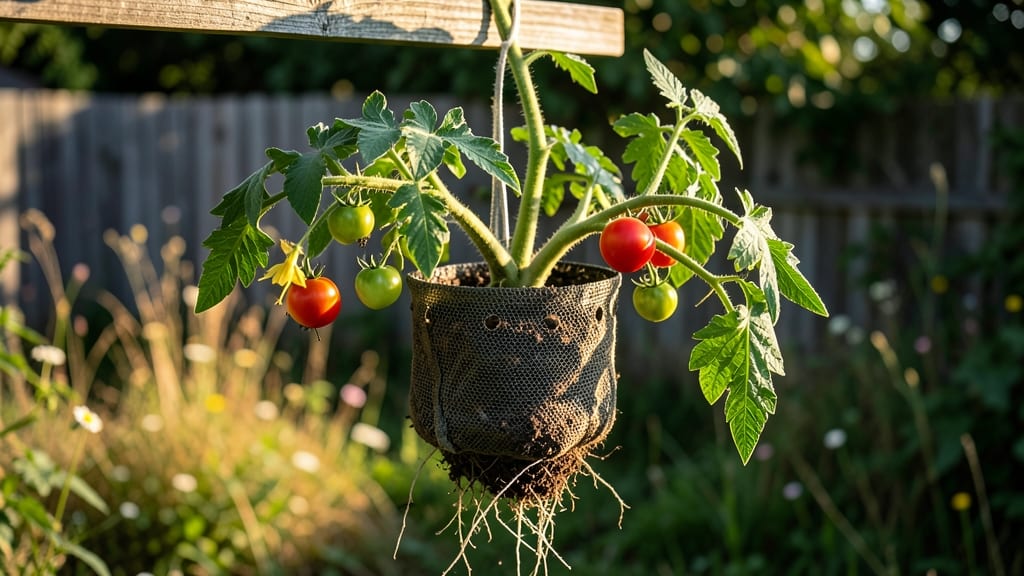
Growing tomatoes in a Topsy Turvy planter turns your balcony into a vertical harvest factory. 🌱 I tried this method after killing three tomato plants in pots last summer, and it changed everything—no more sprawling vines, just neat, upward-growing plants that produce just as much fruit.
The magic is in the upside-down setup: roots dangle in a bucket of water while the plant grows upward, saving space and keeping foliage off the ground. You’ll need a Topsy Turvy planter, tomato seeds or seedlings, and a 5-gallon bucket—that’s it.
No fancy equipment, just clever physics. By midsummer, you’ll be snapping off ripe tomatoes from plants that stay compact and disease-resistant. The best part? You can grow 5-6 plants in the space of one traditional pot, and the harvest tastes fresher because you pick when it’s perfectly ripe.
Perfect for renters, small patios, or anyone tired of floppy tomato vines. Let’s get those plants growing the right way up!
📚 In This Guide
- What you need
- Instructions
- Tips and common mistakes
- Wrapping up and next steps
What you need
- ● Topsy Turvy Planters – 1 per tomato plant (5-gallon capacity recommended for medium-sized varieties).
- ● Tomato Seeds or Seedlings – Disease-resistant varieties like 'Cherry', 'Roma', or 'Celebrity' work best (check seed packet for height).
- ● Potting Mix – 1 bag of high-quality, well-draining organic mix (avoid garden soil—it compacts too easily!).
- ● Watering Can or Hose with Nozzle – For gentle, deep watering (aim for 1–2 inches per week).
- ○ Sturdy Support Stakes or Trellis – 4–6 ft tall (optional but helpful for stability if winds are strong).
- ● Fertilizer – Balanced, slow-release granular fertilizer (10-10-10 ratio) or organic options like compost or worm castings.
- ● Pruning Shears – For trimming suckers and shaping the plant.
- ● Grow Lights – If starting seeds indoors (LED or fluorescent, 12–16 hours/day).
- ● Mulch – Straw or shredded leaves to retain moisture and suppress weeds.
- ● Plant Food Spikes – Convenient for mid-season nutrient boosts.
- ● Harvest Basket or Tote – For easy picking and transporting ripe tomatoes.
- ● Gloves & Sun Hat – Because gardening is way more fun when you’re comfortable! 😎
Step-by-step instructions for growing tomatoes upside-down in Topsy Turvy planters
Here's how to grow four healthy tomato plants in tiny spaces—no sprawling vines, no staking hassles.
🪴 Step 1: Prepare the Topsy Turvy Planters and Seedlings
Start with four Topsy Turvy planters, each with a built-in 18-inch hanging basket. These upside-down containers let roots dangle freely, saving space while giving plants room to grow. Fill each planter with 1 gallon of high-quality potting mix—I like a blend that includes perlite for better drainage. Press the soil down gently so it's firm but not compacted.
Plant one tomato seedling per planter, burying it up to the first set of true leaves. The roots will grow downward through the holes in the planter, while the stem extends upward. Water immediately after planting to help settle the soil around the roots. You'll see the difference in just a few days—no more tangled vines or crowded plants.
💧 Step 2: Water and Fertilize for Strong Growth
Water your upside-down tomatoes every 2-3 days, checking when the top inch of soil feels dry. Since the roots are exposed, they dry out faster than traditional pots. I use a watering can with a narrow spout to direct moisture straight to the soil surface. Avoid wetting the leaves to prevent disease.
Fertilize every 2 weeks with a balanced, water-soluble fertilizer diluted to half strength. Upside-down plants need consistent nutrients because their roots can't access buried soil. You'll notice stronger stems and deeper green leaves within a week of starting this routine.
☀️ Step 3: Position for Maximum Sunlight
Tomatoes need 6-8 hours of direct sunlight daily, and Topsy Turvy planters make this easier in small spaces. Hang them near a south-facing window or under grow lights if indoors. The upside-down design lets you place them closer to light sources without worrying about sprawling vines blocking access.
Rotate the planters a quarter turn weekly so all sides of the plant get even exposure. You'll see this in the growth—plants grow straighter and produce more evenly when light is balanced. If leaves start yellowing, they're not getting enough light.
✂️ Step 4: Prune and Harvest for Continuous Production
Prune suckers (the small shoots that grow between the main stem and branches) when they're about 2 inches long. This encourages the plant to focus energy on fruit production instead of leaf growth. With upside-down tomatoes, pruning is easier because you can see all the growth points clearly.
Harvest tomatoes when they're fully colored and slightly soft to the touch. The upside-down design makes picking easier—no more bending or reaching into crowded plants. You'll get a steady supply all season long, and the compact growth means you can grow more plants in less space.
Tips & tricks for perfect upside-down tomato plants
These simple tricks will help your upside-down tomatoes thrive in even the tightest spaces.
Soil Depth Matters: When filling your Topsy Turvy planters with 1 gallon of potting mix, press it down firmly but not tightly—this creates the right balance of aeration and moisture retention. The exposed roots need room to breathe, but the soil should still hold enough water for 2-3 days between waterings. I like to add a handful of worm castings to the mix for extra nutrients, especially since the roots can't access buried soil like traditional pots.
Watering Wisdom: The exposed roots in upside-down planters dry out faster than in-ground plants. I've found that watering in the morning gives roots time to absorb moisture before the heat of the day. Use a narrow spout watering can to direct water straight to the soil surface—avoid wetting the leaves to prevent fungal diseases. If you notice the soil feels dry before your 2-3 day watering schedule, give it a little extra love, especially during hot weather.
Sunlight Strategy: Those 6-8 hours of direct sunlight are non-negotiable for tomato production. If your south-facing window doesn't get enough light, supplement with grow lights for 12-14 hours daily. The upside-down design actually works to your advantage here—you can hang the planters closer to light sources without worrying about vines blocking access. I rotate mine weekly to prevent one-sided growth, and my plants stay bushier and more productive as a result.
Pruning Pro Tip: Those 2-inch suckers might seem small, but they can sap energy from your tomato production if left unchecked. I like to prune them with clean scissors right at the base—this prevents any residual moisture that could cause rot. With upside-down plants, you can easily see all the growth points, making pruning a breeze. Just remember: the more you prune, the more fruit you'll get!
Pro Tips for Topsy Turvy Plant Tomato Plant
- These simple tricks will help your upside-down tomatoes thrive in even the tightest spaces.
- Soil Depth Matters: When filling your Topsy Turvy planters with 1 gallon of potting mix, press it down firmly but not tightly—this creates the right balance of aeration and moisture retention.
- Watering Wisdom: The exposed roots in upside-down planters dry out faster than in-ground plants.
Frequently asked questions
What are the pros and cons of using a Topsy Turvy for tomatoes?
A Topsy Turvy planter saves space, reduces soil-borne diseases, and makes harvesting easier by keeping fruit off the ground. Cons? You’ll need to monitor roots for dryness (they’re exposed!) and may see slightly smaller yields compared to traditional in-ground planting. Plus, wind can be a factor—secure it well!
How long does it take for tomatoes to grow in a Topsy Turvy?
Growth timelines are similar to traditional methods, but upside-down tomatoes may ripen a tad faster because the fruit hangs freely, improving air circulation. Expect 60–85 days for determinate varieties (bush tomatoes) and 70–100+ days for indeterminate (vining) types. Start seeds indoors 6–8 weeks before your last frost date for best results.
Can I use a Topsy Turvy for other plants besides tomatoes?
This system works for peppers, cucumbers, beans, and even strawberries. Just adjust the size—smaller models suit herbs or lettuce, while larger ones (like the 5-gallon version) are ideal for heavy vines. Avoid root-heavy plants like squash or melons, though—they need more stability and soil volume.
What do I do if my tomato plant wilts or looks unhealthy in a Topsy Turvy?
Wilting often signals underwatering or root stress. Check the moisture level—exposed roots dry out faster! Water deeply at the base (not the leaves) and mulch the soil to retain humidity. If yellowing leaves appear, it could be nutrient deficiency (try a balanced fertilizer) or overheating (move to partial shade if temps exceed 90°F).
Are Topsy Turvy planters worth the investment?
For small spaces or urban gardens, yes! A single 5-gallon Topsy Turvy costs ~$15–$25 and can produce 10–20 lbs of tomatoes per season—saving you money on grocery bills. DIY versions (using 5-gallon buckets + bungee cords) cut costs further. If you’re short on yard space or want to avoid pests, it’s a game-changer.
Do upside-down tomatoes need special care in hot/cold climates?
In hot climates, provide afternoon shade to prevent sunscald on exposed roots and fruit. In cool areas, use a row cover or move indoors overnight if temps dip below 50°F. Always bury the planter’s base 2–3 inches deep in soil for stability—this also insulates roots in cold snaps.
Wrapping up and next steps
Growing tomatoes upside-down with a Topsy Turvy plant isn’t just a space-saving hack—it’s a game-changer for small gardens, balconies, and even apartments! 🌱 By flipping the script (literally), you’ll enjoy bigger yields, easier harvesting, and fewer pests while keeping your plants happy and healthy.
Whether you’re a seasoned gardener or a curious beginner, this method proves that creativity thrives in every square inch.
Ready to turn your green space upside-down? Start small—try one or two plants this season, experiment with varieties, and watch your confidence (and tomatoes!) grow. Next up: Share your upside-down harvest with neighbors or snap a pic for your garden journal. The sky’s the limit—literally! 🍅✨