
Planting
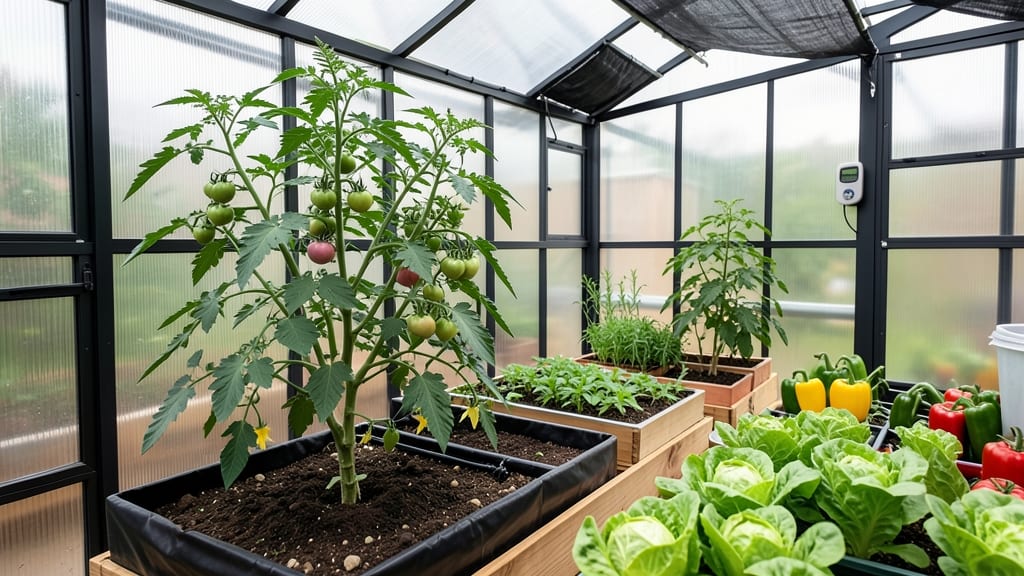
Greenhouses in Tennessee perform best in USDA Zones 6-8, where mild winters and long growing seasons create ideal conditions for year-round plant cultivation. Selecting durable materials and proper ventilation systems helps manage Tennessee's humidity and temperature swings effectively.
Tennessee's varied geography—from the Appalachian Mountains to the Mississippi River Valley—creates microclimates that can extend growing seasons by 4-6 weeks in optimal locations. 🌿 The state's USDA Zones 6-8 provide the perfect balance between frost-free periods and manageable heat, making it ideal for both commercial and hobbyist greenhouses.
I always recommend positioning greenhouses near water features or on south-facing slopes to maximize natural warmth while minimizing energy costs.
For humidity control, polycarbonate panels outperform glass by reducing condensation buildup, while automatic ventilation systems prevent overheating during Tennessee's summer heatwaves. A well-insulated greenhouse can maintain 50-60°F internal temperatures even when outdoor lows drop below freezing—a game-changer for winter gardening.
💡 In This Article
- Tennessee’s Best Greenhouse Zones and Microclimate Strategies
- Top Tennessee Greenhouse Structures for Humidity and Heat Control
Tennessee’s best greenhouse Zones and microclimate strategies
Tennessee's USDA Zones 6-8 create the perfect balance for greenhouse success because they offer 180-240 frost-free days annually, allowing gardeners to extend growing seasons naturally.
The state's geography—with elevations ranging from 200 feet in the western valleys to over 6,000 feet in the Smoky Mountains—creates microclimates where temperatures can vary by 10-15°F within just a few miles.
This variation means you can find pockets where even heat-sensitive crops like tomatoes thrive year-round with minimal supplemental heating.
The key to leveraging these zones lies in understanding Tennessee's sunlight patterns.
The state receives 210-250 sunny days per year, with southern regions getting 5-6 hours of direct sunlight daily during peak growing months (April-October). Positioning greenhouses on south-facing slopes captures maximum solar gain, while reflective surfaces like white gravel or light-colored walls can boost internal temperatures by 5-10°F in winter.
This natural warming reduces energy costs by up to 30% compared to north-facing structures.
Water bodies play a crucial role in Tennessee's microclimates. Areas near lakes or rivers experience 20-30% higher humidity and milder winters due to the moderating effect of large water masses. For example, Nashville's greenhouse growers often see 5-7 fewer frost days annually compared to inland areas just 20 miles away.
This is why many commercial operations in Middle Tennessee locate greenhouses within 1 mile of water sources, using the natural humidity to maintain ideal growing conditions without excessive irrigation.
Elevation becomes particularly important when selecting greenhouse sites. High-elevation areas (Zones 6-7) experience shorter growing seasons but benefit from cooler summer temperatures that reduce heat stress on plants.
At 3,000 feet elevation, nighttime temperatures can drop 10°F cooler than valley floors, creating ideal conditions for heat-sensitive crops like peppers and cucumbers. The trade-off? These areas require better insulation and wind protection to prevent rapid temperature swings during spring and fall transitions.
One often-overlooked strategy is using windbreaks in combination with greenhouse placement. Tennessee's prevailing winds come from the west, so positioning greenhouses 100-200 feet east of natural windbreaks (like wooded areas or hedgerows) can reduce wind chill effects by 3-5°F.
This simple adjustment can mean the difference between successful winter crops and failed attempts. The windbreaks also help disperse humidity more evenly, preventing the stagnant air conditions that lead to fungal diseases in high-moisture environments.
For energy efficiency, many Tennessee greenhouse operators use thermal mass materials like stone or water barrels to absorb daytime heat and release it slowly at night. In Zone 7 areas, this can maintain internal temperatures within 5°F of daytime highs even during cold snaps.
Pairing this with double-layer polycarbonate panels (which provide R-3 insulation) creates a system that reduces heating costs by 40% compared to single-glazed structures.
The bottom line? Tennessee's diverse microclimates mean you can tailor your greenhouse setup to your specific location's advantages. Whether you're in the humid river valleys or the cooler mountain regions, understanding these natural patterns lets you create an environment where plants thrive with minimal artificial intervention. 🌿