
Planting
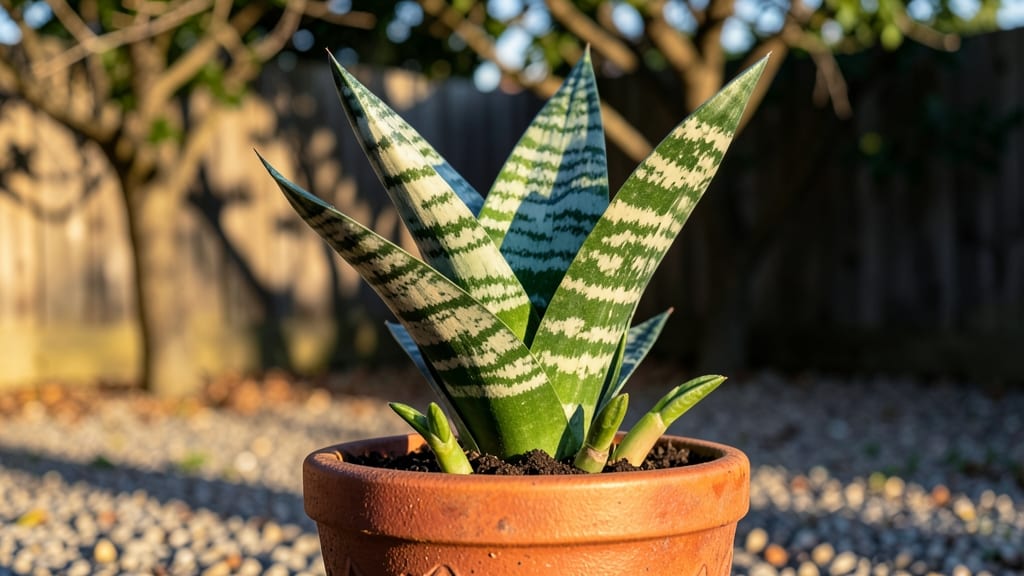
A planting guide by zip code holds the secret to a thriving garden. 🌱 Planting by zip code means timing your seeds and transplants perfectly with your local frost dates, rainfall patterns, and microclimates—no more guessing or wasted effort.
I’ve used this approach for years to grow everything from heirloom tomatoes to native wildflowers, and the difference is night-and-day compared to following generic planting charts.
Start by finding your USDA hardiness zone and average last frost date—these two factors determine when to plant cool-season crops like lettuce (as early as 4-6 weeks before last frost) versus warm-season favorites like peppers (only after soil hits 60°F).
Local nurseries and your county extension office can provide even more precise data, including rainfall trends that affect watering schedules.
For example, in my zone 7b garden, I plant sweet potatoes in early May when the soil warms, but in drier climates like zone 9a, I’d wait until June to avoid stressing the plants.
Once you’ve got your timing down, match plants to your conditions: shade-tolerant ferns for woodland gardens, drought-resistant lavender for arid zones, or flood-tolerant okra for humid southern climates. The right plants in the right spot mean less fussing and more blooms, herbs, or harvests.
You’ll know you’re on the right track when seedlings emerge strong, weeds stay minimal, and your garden feels like it’s running itself.
Pro tip: Bookmark your local extension service’s website—they update frost dates annually and often have plant-specific guides for your area. With this precision approach, you’ll skip the trial-and-error years and start reaping reliable results from day one. Ready to dig in?
📚 In This Guide
- What you need
- Instructions
- Tips and common mistakes
- Wrapping up and next steps
What you need
- ● Seeds or seedlings: Choose plants suited to your blank">USDA Hardiness Zone (e.g., tomatoes for Zones 5-10, kale for Zones 3-9). Check your planting guide by zip code for specifics!
- ● High-quality soil: 10-20 bags (50 lb each) of garden soil or compost, amended with organic matter if your native soil is clay-heavy.
- ● Containers or garden beds: For containers: 5-gallon pots (1 per plant) or raised beds (4’x8’ for small gardens).
- ● For in-ground: Till or loosen soil to a depth of 12-18 inches (use a garden fork or tiller).
- ● Watering supplies: Hose with adjustable nozzle OR watering can (5+ gallons).
- ○ Drip irrigation kit (optional but highly recommended for drought-prone areas).
- ● Fertilizer: Slow-release granular (e.g., 10-10-10) or organic options like composted manure or worm castings.
- ● Mulch: 2-3 cubic feet of straw, wood chips, or shredded leaves to retain moisture.
- ● Hand trowel (for precision planting).
- ● Gloves (gardening or work gloves to protect your hands).
- ● Pruners (bypass pruners for clean cuts).
- ● Measuring tape (to space plants correctly—check your guide for specifics!).
- ○ Soil pH test kit (optional but helpful to adjust soil acidity/alkalinity).
- ● Row cover or frost cloth (if planting early/late in the season).
- ● Sunlight audit: Map your garden’s sunlight exposure (full sun = 6+ hours/day; partial shade = 3-6 hours).
- ● Frost dates: Know your last frost date (use your planting guide by zip code) to avoid frost damage.
- ● Weather forecast: Avoid planting during rain or extreme heat (aim for 60-75°F soil temps).
- ● Local restrictions: Check for blank">city ordinances on raised beds, irrigation, or native plants.
Instructions: how to use your local climate for perfect planting timing
Your zip code holds the secret to thriving gardens—here's how to decode it.
🌱 Step 1: Find Your Last Frost Date
Start by locating your last average frost date—this is your planting calendar's anchor point. I use the USDA Plant Hardiness Zone Map (available online) to find my exact dates, then cross-reference with local agricultural extension service reports for precision. For example, if you're in Zone 7, your last frost might be around April 15, while Zone 9 gardeners can plant much earlier.
Write this date down—it's your first planting deadline. Don't guess; use trusted sources like your local cooperative extension office or gardening apps that pull from NOAA climate data. This ensures you're not caught off-guard by late frosts that can wipe out tender seedlings overnight.
☀️ Step 2: Calculate Your Growing Season Length
Subtract your last frost date from your first frost date to determine your total growing season. For instance, if your last frost is April 15 and first frost arrives October 30, you have roughly 198 days of growing time. This tells you which fast-maturing varieties (like bush beans) will thrive versus long-season crops (like tomatoes) that need your full season.
I like to mark these dates on my calendar with colored tabs—red for last frost, green for first frost. This visual helps me plan succession plantings. For example, in a 120-day season, I'd plant heat-loving crops like okra in July instead of spring, knowing they'll mature before cooler weather arrives.
⏰ Step 3: Adjust for Your Microclimate
Your zip code gives you a starting point, but your yard's microclimate—like a sunny south-facing slope or shaded backyard—can shift planting windows by 2-4 weeks. I test my microclimate by planting fast-growing radishes in different spots: the earliest sprouts tell me where warmth hits first. If your garden sits in a frost pocket, you might need to wait 10-14 days longer than your zip code suggests.
Watch for wind patterns too—open areas cool faster at night. I've seen basil bolt in Zone 8 because my patio gets chilly drafts. Use frost cloth or row covers to extend your season by 2-3 weeks if needed. These adjustments turn generic zip code advice into a customized planting plan that actually works in your space.
🌿 Step 4: Plan for Your Local Pests and Diseases
Your zip code also reveals common pests and diseases in your area. For example, squash vine borers are rampant in the Southeast, while aphids plague Pacific Northwest gardens. Check your state agricultural reports for local threats, then choose resistant varieties (like 'Butternut' squash for borers) or adjust planting times to avoid peak infestation periods.
I plant cucumbers in early June instead of May in my Zone 6 garden because that's when cucumber beetles peak. This simple shift saves my plants from wilting overnight. Similarly, if your area has late-spring frosts, I recommend waiting until May 15 to plant tomatoes—even if your zip code says "safe" by May 1.
✂️ Step 5: Build a Flexible Planting Schedule
Now combine all these factors into a flexible schedule. Start with your last frost date, then work backward for warm-season crops (like peppers) and forward for cool-season crops (like lettuce). For example, if your season is 120 days, plant tomatoes 60 days before your first frost to ensure they mature before cold arrives.
I keep a planting journal to track what works each year. Note adjustments like "planted beans on June 5 instead of May 15 due to late frost" or "used row covers to extend basil season." Over time, your zip code's generic advice becomes a hyper-localized system that accounts for your yard's quirks, not just climate averages.
Tips & tricks for perfect planting timing by zip code
Your zip code isn't just a number—it's your garden's secret code. Here's how to turn those climate clues into foolproof planting success.
Precision Over Guessing: Don't rely solely on your USDA zone when determining your last frost date. I cross-reference with three sources: the USDA map, my local cooperative extension office reports, and NOAA's frost data. For example, my Zone 7 garden experienced a late frost on May 5 last year—two weeks after the "average" date. This kind of local data prevents those heartbreaking seedling losses from unexpected cold snaps.
Visual Season Markers: Create a physical planting calendar using colored tabs for your last and first frost dates. I use red for last frost and green for first frost, then add seasonal color coding for warm-season (yellow) and cool-season (blue) crops. This visual system helps me spot planting gaps at a glance. For instance, I can immediately see that I have a 120-day window for tomatoes and need to plant them by July 15 in my climate.
Microclimate Testing: Before committing to your yard's planting zones, test with fast-growing radishes planted in different locations. The earliest sprouts reveal where warmth hits first—often 2-4 weeks earlier than the zip code average. I discovered my south-facing slope warms up 10 days earlier than my north-facing garden beds. This simple test saved me from planting tomatoes too early in cooler spots.
Pest-Proof Planting: Your zip code reveals local pest patterns—use them to your advantage. In my Zone 6 garden, I avoid planting cucumbers before June 1 to escape peak cucumber beetle activity. I also choose resistant varieties like 'Butternut' squash when squash vine borers are a known threat. Checking your state agricultural reports once a year helps me adjust my planting schedule to avoid these common local pests.
Pro Tips for Planting Guide By Zip Code
- Your zip code isn't just a number—it's your garden's secret code.
- Precision Over Guessing: Don't rely solely on your USDA zone when determining your last frost date.
- Visual Season Markers: Create a physical planting calendar using colored tabs for your last and first frost dates.
Frequently asked questions
Got questions about planting by zip code? You’re not alone—every gardener starts somewhere! Here are answers to the most common queries to help you grow with confidence.
How do I find the best planting times for my zip code?
Use our interactive planting guide—just enter your zip code to see frost dates, ideal months for planting, and harvest windows tailored to your local climate. For extra precision, check the USDA Plant Hardiness Zone Map to confirm your region’s specifics.
What if I miss the recommended planting window?
Don’t stress! Some plants (like kale or spinach) tolerate cooler temps and can be planted early or late. Others, like tomatoes, may need a head start indoors if you’re late. Use season extenders like row covers or cold frames to buy time. Just avoid planting heat-sensitive crops (e.g., peppers) after the last frost if your zone is warm.
Does my zip code planting guide work for containers or raised beds?
The guide accounts for soil warmth and microclimates, which containers and raised beds can influence. Just note that containers heat up faster—adjust watering and mulch to protect roots. For raised beds, they warm up quicker in spring, so you might plant 1–2 weeks earlier than ground soil.
How do I troubleshoot pests or poor growth after following the guide?
Start with the basics:
- Soil test: pH or nutrient issues can stunt plants. Amend soil as needed.
- Watering: Over/under-watering stresses plants. Aim for 1 inch per week.
- Sunlight: Shade-loving plants (like hostas) need partial shade—not full sun!
- Pests: Identify the culprit (e.g., aphids vs. slugs) and use organic sprays or barriers.
Can I use this guide for vegetables, flowers, and herbs?
Yes! Our guide covers all three, but some plants have unique needs. For example:
- Vegetables: Focus on frost dates and soil temps (e.g., 60°F+ for tomatoes).
- Flowers: Annuals like marigolds thrive in warm soil, while perennials (e.g., lavender) prefer cooler starts.
- Herbs: Basil needs warmth; parsley tolerates cool springs.
Wrapping up and next steps
Ready to transform your garden into a thriving oasis? 🌱 With this planting guide by zip code, you now have the perfect roadmap for timing your plantings like a pro—tailored to your local climate.
Whether you’re a seasoned gardener or just starting, precision planting ensures healthier plants, bigger yields, and less guesswork.
Your next step? Grab your gardening gloves and dive in! Start with a few easy-to-grow plants, track your progress, and soon you’ll be sharing your green thumb success with neighbors. Happy planting—your future harvest is waiting! 🌿