
Planting
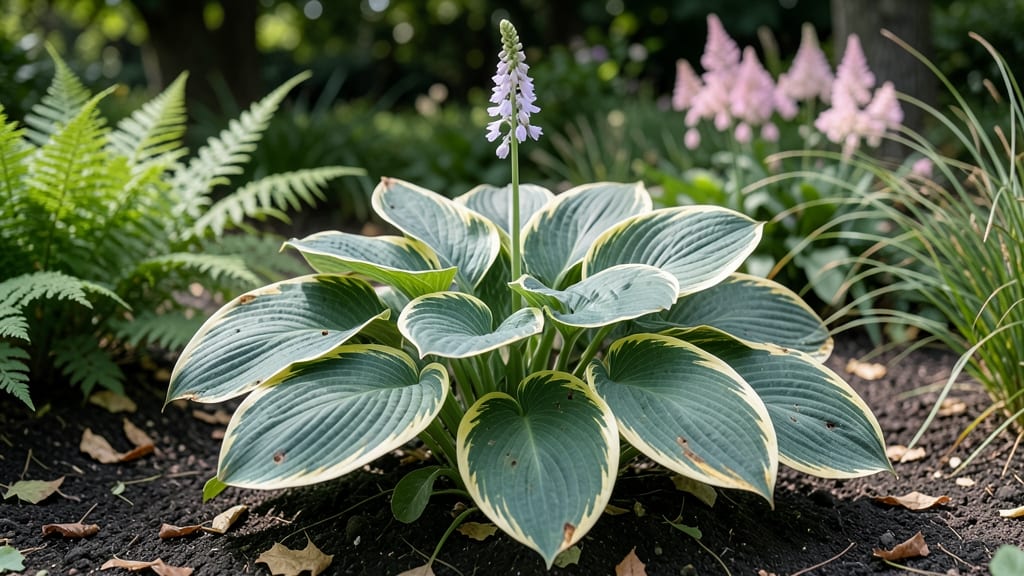
Perennial plant leaves are the unsung heroes of your garden—they’re the secret to year-round beauty and productivity. 🌿 I’ve learned that healthy foliage isn’t just about looks; it’s the foundation for blooms, resilience, and even edible harvests (yes, some leaves are good to eat!).
The key? Understanding their roles—whether they’re broad hosta leaves for shade, fragrant lavender for pollinators, or sturdy coneflower stems that hold up all season.
Most gardeners overlook how leaves change with seasons—wilting in drought, yellowing from overwatering, or turning crispy in winter. But with the right care, you can keep them vibrant and functional for years. Start by matching leaf types to your climate: tender hostas need protection, while tough sedum thrives in heat.
Prune strategically in early spring to encourage new growth, and watch your perennials bounce back stronger every year.
Here’s the game-changer: healthy leaves mean fewer pests and diseases. I’ve cut back on sprays by focusing on leaf health—mulching to retain moisture, fertilizing at the right time, and removing damaged foliage before it spreads problems.
Even a simple task like wiping down broad leaves with soapy water can prevent fungal issues. The result? Perennials that look lush year-round and reward you with blooms, fragrance, or even harvestable greens.
This works for any garden—whether you’re filling a shady border with hostas or adding drought-tolerant lavender to a sunny slope. The principles stay the same: observe, adapt, and let those leaves do the heavy lifting. Ready to transform your garden’s backbone? Let’s dive into the details.
📚 In This Guide
- What you need
- Instructions
- Tips and common mistakes
- Wrapping up and next steps
What you need
- ● Perennial plants: Choose 3–5 hardy varieties (e.g., comfrey, hostas, chives, oregano, or lamb’s quarters). Start with 2–3 plants per type for a balanced harvest.
- ● Well-draining soil: 1–2 cubic yards of organic-rich soil (mix in compost or aged manure for nutrients). Aim for a pH of 6.0–7.0 for most perennials.
- ● Organic mulch: 2–3 inches of straw, wood chips, or shredded leaves to retain moisture and suppress weeds.
- ● Watering can or hose: A 1-gallon watering can or soaker hose for deep, consistent hydration.
- ● Fertilizer: Balanced organic fertilizer (e.g., 10-10-10) or compost tea. Apply every 4–6 weeks during growing season.
- ● Pruning shears: Bypass pruners (sharp, 5–7 inch blades) for clean cuts without crushing stems.
- ● Gloves: Heavy-duty gardening gloves to protect against thorns (e.g., roses) or sap (e.g., milkweed).
- ○ Garden fork: For aerating soil and planting root crops (optional but helpful for perennial roots).
- ● pH test kit: Digital or liquid test strips to monitor soil acidity/alkalinity.
- ● Shade cloth: 30–50% coverage for seedlings or heat-sensitive perennials (e.g., hostas).
- ● Harvest basket or mesh bag: To collect leaves without bruising them.
- ● Label markers: Waterproof tags to track plant varieties and harvest dates.
- ● Drying rack or dehydrator: For preserving leaves (e.g., oregano, thyme) if you’re into DIY seasonings!
Step-by-Step guide to year-round perennial leaf harvesting
Here’s how to keep your perennials thriving while harvesting leaves without sacrificing growth.
🌿 Step 1: Identify the Right Perennials for Year-Round Harvesting
Not all perennials tolerate frequent leaf harvesting. Focus on resilient varieties like chives, mint, oregano, thyme, and lemon balm, which regrow vigorously from their root systems. Avoid harvesting from plants like hostas or ferns, whose leaves are their primary energy source.
Check plant labels or consult a local nursery for hardy, fast-growing perennials suited to your climate zone. I always prioritize plants with multiple stems—these recover better after cutting. Observe how quickly new growth appears after a light trim; if it takes weeks, the plant isn’t a good candidate.
✂️ Step 2: Time Your Harvests for Optimal Regrowth
Harvest leaves in the morning after dew dries but before the midday heat sets in. This ensures the plant has moisture and energy to recover. Never take more than one-third of the foliage in a single session—this prevents stress and encourages bushier growth.
For spring and fall, harvest sparingly to avoid weakening the plant before dormancy. In summer, when growth is most vigorous, you can harvest more frequently. Watch for new leaf buds forming at the base; these signal the plant is ready for another round of harvesting.
💧 Step 3: Maintain Soil Moisture and Nutrition
Perennials need consistent moisture to support regrowth after harvesting. Water deeply every 2-3 days during dry spells, ensuring the top 4-6 inches of soil stay evenly moist but not soggy. Overwatering can lead to root rot, while underwatering stresses the plant.
Feed your perennials with a balanced, slow-release fertilizer (10-10-10) in early spring and again after the first harvest of the season. I also top-dress with 1-2 inches of compost in late fall to replenish nutrients. Avoid high-nitrogen fertilizers in summer, as they promote leafy growth at the expense of root strength.
☀️ Step 4: Prune Strategically to Encourage Bushier Growth
Use clean, sharp pruners to cut leaves just above a set of healthy leaves or buds. This encourages branching and prevents leggy growth. For herbs like mint or oregano, trim back by one-third in early summer to stimulate new shoots.
Remove any yellowed or diseased leaves immediately to prevent spread. If a stem looks weak or overcrowded, prune it back to encourage airflow. I always step back after pruning to check for balance—uneven cuts can lead to patchy regrowth.
⏰ Step 5: Adjust Harvesting in Winter for Dormant Perennials
Most perennials enter dormancy in winter, so stop harvesting entirely once temperatures drop below 40°F. Instead, focus on protecting the crown with a 2-3 inch layer of mulch to insulate roots. In mild climates, you can lightly harvest evergreen perennials like rosemary or thyme, but avoid heavy cuts.
Resume harvesting in early spring as new growth emerges. Watch for first true leaves—these signal the plant is ready to be harvested again. If you’re unsure, wait until the plant has at least 3-4 inches of new growth before cutting.
Tips & tricks for perfect perennial leaf harvesting
Here's what nobody tells you about keeping your perennials thriving through every season.
Seasonal Timing Intelligence: The morning after dew dries is your sweet spot for harvesting—this ensures the plant has absorbed moisture overnight but isn't yet stressed by midday heat. I've learned this the hard way after watching plants wilt from afternoon harvesting. The one-third foliage rule in Step 2 is non-negotiable: exceeding this stresses the plant's root system, which is its energy reserve for winter survival.
Pruning Precision: When you're cutting just above healthy leaves or buds in Step 4, think of it as giving the plant a haircut that encourages new growth at the base. I always use clean, sharp pruners to avoid crushing stems, which can introduce disease. For herbs like mint or oregano, that one-third summer trim isn't just about harvest—it's about stimulating bushier growth patterns that'll pay off all season long.
Winter Protection Strategy: That 2-3 inch mulch layer in Step 5 isn't just decoration—it's insulation. I've seen plants survive winter with proper mulching that would have otherwise frozen back. For evergreens like rosemary in mild climates, light harvesting is fine, but remember: even evergreens need to conserve energy when temperatures dip below 40°F. The first true leaves in spring are your green light to resume harvesting—those are the plant's way of saying "I'm ready."
Pro Tips for Perennial Plant Leaves
- Here's what nobody tells you about keeping your perennials thriving through every season.
- Seasonal Timing Intelligence: The morning after dew dries is your sweet spot for harvesting—this ensures the plant has absorbed moisture overnight but isn't yet stressed by midday heat.
- Pruning Precision: When you're cutting just above healthy leaves or buds in Step 4, think of it as giving the plant a haircut that encourages new growth at the base.
Frequently asked questions
Got questions about keeping your perennial plant leaves thriving all year? You’re not alone! Here are some of the most common queries—plus quick, actionable answers to keep your garden lush and productive.
When is the best time to harvest perennial leaves for continuous growth?
Harvest leaves early in the morning when they’re fully hydrated but before the heat of the day. For most perennials, aim for late spring to early summer to avoid stressing the plant. Never take more than 1/3 of the foliage at once—this ensures the plant can regenerate. Pro tip: Leave lower leaves intact to support photosynthesis!
How do I protect perennial leaves in winter without killing the plant?
Most perennials enter dormancy naturally, but a thin layer of mulch (2-3 inches) (straw, shredded leaves, or pine needles) insulates roots from freezing temps. Avoid heavy mulch—it can suffocate the plant. Evergreens? A light frost cloth or burlap wrap works wonders. Pro tip: Wait to prune until spring to avoid exposing tender growth!
Why are my perennial leaves turning yellow or brown? Troubleshooting tips!
Yellowing leaves often signal overwatering or poor drainage. Brown edges? Likely underwatering or salt buildup (from tap water). Check for pests (aphids, spider mites) on the undersides. Fix it: Adjust watering, improve soil aeration, and treat pests with neem oil. Pro tip: Test soil pH—perennials thrive in 6.0–7.0!
Can I use perennial leaves for cooking? Any edible varieties to try?
Many perennials are edible and delicious. Try stinging nettle (cooked), comfrey leaves (in soups), or hosta (young shoots, sparingly). Always identify plants correctly—never eat leaves from ornamentals unless confirmed safe. Pro tip: Harvest organic perennials for the safest culinary use!
What’s a good perennial leaf alternative if I don’t want to maintain a garden?
No garden? No problem! Opt for potted perennials like mint, oregano, or chives—they’re hardy and thrive in containers. For non-edible greens, heuchera (coral bells) or lamium offer stunning foliage with minimal care. Pro tip: Dried perennial leaves (like lavender or rosemary) make great potpourri!
Wrapping up and next steps
Perennial plant leaves offer a low-maintenance, high-reward way to keep your garden thriving—and your table stocked—year after year! 🌿 Whether you're drawn to hardy herbs, edible greens, or ornamental foliage, the key lies in understanding their needs and giving them the right care.
With the right soil, sunlight, and a little patience, you’ll unlock a sustainable harvest that keeps growing back stronger.
Ready to dive in? Start small—pick one or two perennials to experiment with, and watch your green thumb grow! 🌱 Next up: sketch a simple planting plan or research local climate-friendly varieties to tailor your garden’s success.