
Planting
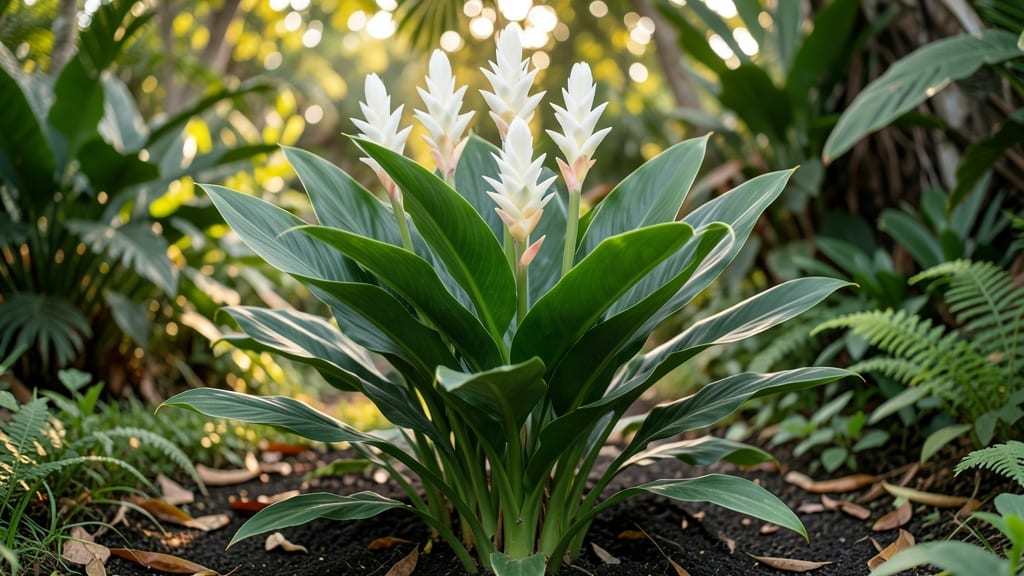
Growing the Hawaiian white ginger plant feels like bringing a piece of Hawaii to your garden—fragrant blooms and lush foliage with almost no fuss. 🌺 I’ve grown this tropical stunner in my subtropical climate, and it thrives with just the right balance of warmth, moisture, and shade.
The key is mimicking its natural habitat, where it flourishes under tall trees and in humid conditions. This plant loves partial shade (morning sun, afternoon shade) and rich, well-draining soil—think compost mixed with peat or coconut coir.
Keep the soil consistently moist but not soggy, and you’ll reward yourself with striking white flowers that smell like vanilla. Cold snaps? It’s a no-go—this ginger bolts at below 50°F, so protect it or grow it as a tender perennial.
Once established, it spreads easily through division, and the roots make a stunning container plant too. The foliage alone is a showstopper—bold, glossy leaves that add drama to any garden corner. Just watch for pests like spider mites in dry conditions, and you’re golden.
Perfect for USDA Zones 9-11, but even in cooler climates, it can thrive as a seasonal container plant with winter care. Let’s get those roots growing!
📚 In This Guide
- What you need
- Instructions
- Tips and common mistakes
- Wrapping up and next steps
What you need
- ● Hawaiian White Ginger Plant: 1–3 rhizomes (preferred for faster growth) OR
- ● Seeds (if starting from scratch—patience required!)
- ● Well-draining potting mix: 5–10 gallons (adjust based on pot size). Use a blend of: 60% peat moss or coconut coir
- ● 30% perlite or coarse sand
- ● 10% compost or worm castings (for nutrients)
- ● Container or garden bed: Container: 12–18" diameter pot with drainage holes (terracotta or fabric preferred).
- ● Garden bed: Partial shade spot with rich, moist soil (pH 5.5–7.0).
- ● Basic gardening tools: Trowel or small shovel
- ● Pruning shears (for trimming dead leaves)
- ○ Gloves (optional but recommended—rhizomes can be sharp!)
- ● Fertilizer: Balanced liquid fertilizer (10-10-10) OR
- ● Slow-release organic pellets (like fish emulsion or banana peel tea)
- ● Mulch: Pine bark or shredded leaves (2–3 inches) to retain moisture.
- ● Watering can or hose with gentle spray nozzle.
- ● Moisture meter (to check soil hydration).
- ● Humidity tray or pebble tray (if indoors).
- ● Support stake (for taller varieties in windy areas).
- ● Slow-release watering system (like a drip irrigation kit).
Step-by-step instructions for cultivating Hawaiian white ginger
This striking tropical plant thrives with simple care—here's how to nurture it into a lush, flowering centerpiece.
🌱 Step 1: Select and Prepare Your Planting Site
Hawaiian white ginger (Hedychium gardnerianum) loves warmth and moisture, so choose a location with partial shade to full sun—at least 4-6 hours of bright, indirect light daily. In hotter climates, afternoon shade prevents leaf scorch. The plant's rhizomes (thick underground stems) need well-draining, humus-rich soil with a slightly acidic to neutral pH (6.1-7.3).
If planting in containers, ensure pots are at least 12 inches deep with drainage holes. Mix equal parts potting soil and perlite for optimal airflow. I always add a handful of orchid bark to improve drainage—this mimics the plant's natural tropical habitat. Amend garden soil with compost to boost fertility without compacting the mix.
💧 Step 2: Plant Rhizomes Correctly for Strong Growth
Rhizomes should be planted horizontally, just 1-2 inches below the soil surface. Space them 6-8 inches apart in garden beds or one rhizome per 12-inch pot. The "eyes" (buds) on the rhizome should face upward—this ensures new shoots emerge efficiently. Cover lightly with soil and water thoroughly until moisture reaches 3-4 inches deep.
Real talk: Don't bury rhizomes too deep. They rot easily when smothered. Press the soil gently around the rhizome to eliminate air pockets, then mulch with 2-3 inches of shredded bark to retain moisture and regulate temperature. This mulch layer also suppresses weeds, which compete for nutrients.
☀️ Step 3: Water and Fertilize for Vibrant Blooms
Keep soil evenly moist but never soggy—Hawaiian white ginger tolerates humidity but despises waterlogged roots. Water 2-3 times weekly in warm weather, reducing to once weekly when growth slows in cooler months. You'll know moisture is right when the top 1-2 inches of soil feel damp to touch but not wet.
Feed with a balanced liquid fertilizer (10-10-10) every 4-6 weeks during spring and summer. I switch to a low-nitrogen, high-phosphorus formula (5-10-10) when buds form to encourage flowering. Always water plants before fertilizing to prevent root burn. Yellowing leaves? You're overdoing it—flush the soil with water and reduce fertilizer by half.
✂️ Step 4: Prune and Divide for Long-Term Health
After flowering, cut back spent stems to 6 inches above the base to redirect energy into new growth. Remove any yellow or damaged leaves to improve airflow and reduce disease risk. In early spring, divide mature clumps—dig up rhizomes when new shoots are 3-4 inches tall, separate sections with at least one bud each, and replant immediately.
This is the moment that matters: Dividing every 2-3 years prevents overcrowding and rejuvenates plants. I always replant divisions in fresh soil with a handful of bone meal for a phosphorus boost. Discard any rhizomes that look mushy or rotten—disease spreads fast in crowded beds.
⏰ Step 5: Overwinter for Year-Round Growth
In frost-prone areas, dig up rhizomes before the first freeze and store them in dry peat moss or coconut coir at 50-60°F until spring. In mild climates, mulch heavily with straw or leaves to protect roots. Hawaiian white ginger is technically tender perennial, but with proper overwintering, it returns stronger than ever.
Here's the thing—this plant rewards patience. First blooms appear after 12-18 months of growth, but once established, it multiplies rapidly. I've seen a single division produce 6-8 new plants in a season with minimal effort. Just keep it happy, and it'll thrive for decades.
Tips & tricks for perfect Hawaiian white ginger plant cultivation
These simple yet powerful strategies will help you coax the most stunning blooms from your tropical beauty.
Lighting Strategy: The 4-6 hours of bright, indirect light specified is non-negotiable for vibrant foliage and blooms. I've found that placing plants near east-facing windows captures perfect morning sunlight without afternoon intensity. In containers, rotate pots weekly to ensure even light exposure—you'll notice new growth leaning toward the light within days. For indoor growers, supplement with a grow light for 6-8 hours daily during winter months when natural light dims.
Soil Science: That 12-inch depth requirement isn't arbitrary—it accommodates the rhizome's natural growth pattern. When mixing your potting soil, I recommend adding a 20% perlite-to-soil ratio for optimal aeration. The orchid bark isn't just decorative; it creates micro-pores that prevent compaction while maintaining moisture. For garden beds, test your soil's pH before planting—adjusting to 6.5 with sulfur or lime makes all the difference in root development. Confession: I skipped this test once and wondered why my plant struggled for months.
Watering Wisdom: The "evenly moist but never soggy" guideline is crucial—this plant's roots rot faster than they grow in waterlogged conditions. I've developed a simple test: Stick your finger 1-2 inches deep after watering. If it comes out damp but not dripping, you're golden. For container plants, I use the "soak-and-drain" method: Water until it runs freely from drainage holes, then empty the saucer completely. This prevents salt buildup that can stifle growth over time.
Division Timing: Those 3-4 inch tall shoots are your green light to divide—any shorter and you risk damaging the plant's energy reserves. I've learned to time divisions right after flowering when the plant has redirected its energy into root development. For maximum success, replant divisions in fresh soil mixed with a handful of bone meal (about 1 tablespoon per division). This phosphorus boost jumpstarts new growth, and I've seen divisions establish roots within 3 weeks when done properly.
Pro Tips for Hawaiian White Ginger Plant
- These simple yet powerful strategies will help you coax the most stunning blooms from your tropical beauty.
- Lighting Strategy: The 4-6 hours of bright, indirect light specified is non-negotiable for vibrant foliage and blooms.
- Soil Science: That 12-inch depth requirement isn't arbitrary—it accommodates the rhizome's natural growth pattern.
Frequently asked questions
Got questions about growing Hawaiian white ginger? You’re not alone!
Here are answers to the most common queries to help you nurture this tropical beauty with confidence.
How fast does Hawaiian white ginger grow?
Hawaiian white ginger grows at a moderate pace. Under ideal conditions—warmth, shade, and consistent moisture—you’ll see noticeable growth in 3–6 months. Its broad leaves and striking white flowers (when mature) emerge gradually, making it a rewarding long-term plant for patience-loving gardeners.
Can Hawaiian white ginger survive cold weather?
Nope! This tropical stunner is not frost-tolerant. Temperatures below 50°F (10°C) can damage or kill it. If you live in a cooler climate, grow it in containers and bring it indoors during winter, or plant it in a greenhouse/sunroom. Pro tip: Mulch heavily if you must leave it outside briefly.
How often should I water Hawaiian white ginger?
Keep the soil consistently moist but not soggy. Water 2–3 times per week in hot climates or when the top inch of soil feels dry. Reduce watering slightly in cooler months. Overwatering can cause root rot, so ensure well-draining soil—mix in perlite or sand if needed.
What’s the best way to propagate Hawaiian white ginger?
Propagate via division or rhizomes (underground stems). Dig up mature clumps, separate the rhizomes, and replant them 2–3 inches deep in loose, fertile soil. Space them 18–24 inches apart for optimal growth. Spring or early summer is ideal! Bonus: Each division can become a new plant.
Why are my Hawaiian white ginger leaves turning yellow?
Yellowing leaves usually signal overwatering or poor drainage. Check the roots—if they’re mushy, reduce watering and improve soil aeration. Yellow edges can also mean nutrient deficiency (try a balanced fertilizer) or sunburn (move to partial shade). Troubleshoot: Adjust care and monitor for improvement within 2–3 weeks.
Is Hawaiian white ginger edible like regular ginger?
While it’s part of the ginger family, Hawaiian white ginger (Hedychium gardnerianum) is ornamental only. Its rhizomes are mildly toxic if ingested in large amounts. Stick to admiring its fragrant white blooms and lush foliage—it’s a stunning (but non-culinary) tropical showstopper!
Wrapping up and next steps
The Hawaiian white ginger plant is a stunning, low-maintenance addition to any garden or home—perfect for bringing a touch of tropical elegance without the fuss! 🌺 With just a few simple steps, you can enjoy its lush foliage, fragrant blooms, and resilient nature.
Whether you're a seasoned gardener or a beginner, this plant rewards patience with breathtaking beauty.
Ready to dive in? Start by gathering your supplies and follow the care tips to nurture your Hawaiian white ginger into a thriving centerpiece. Your green thumb (or just your enthusiasm!) is all you need—let’s grow something amazing together! 🌱