
Planting
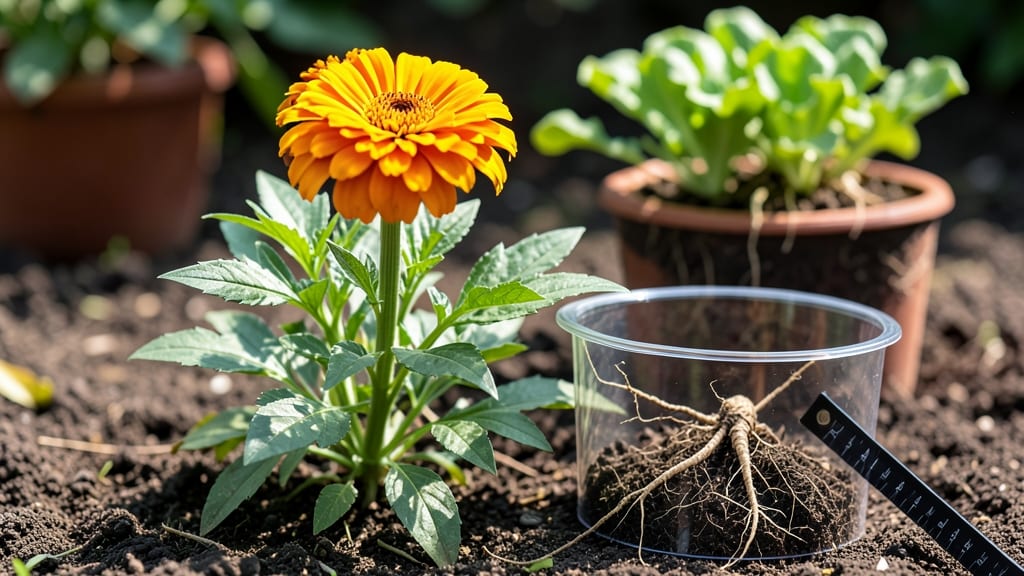
How deep do marigold roots grow? The answer might surprise you—they typically reach 12 to 18 inches below the soil surface 🌼, which directly impacts how you plant and space them.
If your marigolds struggle to thrive despite perfect sunlight and water, the issue might be shallow roots. When planted too close to the surface, they can’t anchor properly or access the nutrients they need, leading to weak stems and fewer blooms.
Understanding root depth helps you avoid overcrowding, adjust spacing for container gardening, and prepare soil to support strong growth from the start. The right depth makes all the difference between a struggling plant and one that bursts with vibrant flowers all season.
Below, I’ll break down exactly how deep to plant marigolds, why it matters for their health, and simple tips to get the most out of your garden—whether you’re working in the ground or containers.

Marigold root depth explained: how deep they grow and why it matters
When you picture marigolds, you likely imagine their bright blooms and pest-repelling powers—but what’s happening below the soil surface is just as crucial. Marigold roots typically grow 12–18 inches deep, creating a strong network that anchors the plant and absorbs nutrients efficiently.
Understanding this depth helps you plant correctly, avoid overcrowding, and ensure your marigolds thrive all season long.
Unlike shallow-rooted plants like lettuce, marigolds develop a fibrous root system that spreads outward while extending downward.
This structure allows them to access moisture and nutrients from deeper soil layers, making them more drought-tolerant than many garden flowers. Proper root depth also prevents competition for resources, which is key to those vibrant blooms we all love.
Here’s what you need to know about marigold root depth, including how it impacts planting, nutrient absorption, and overall plant health.
| Root Feature | Details | Why It Matters |
|---|---|---|
| Average Depth | 12–18 inches | Accesses deeper moisture and nutrients during dry spells. |
| Root Type | Fibrous (not taproot) | Spreads widely for stability and efficient water absorption. |
| Soil Penetration | Moderate to firm soil | Loose soil encourages deeper root growth; compacted soil restricts it. |
| Nutrient Zone | Top 12–18 inches | Target this zone with compost or fertilizer for best results. |
| Drought Resistance | Moderate (better with depth) | Deeper roots help marigolds survive dry periods without wilting. |
Marigold roots aren’t just about depth—they’re also about spread. While they reach down, they also spread horizontally, creating a dense network that stabilizes the plant and competes with weeds.
This is why spacing matters: planting too closely forces roots to compete for nutrients, leading to weaker growth and fewer blooms. Aim for 12–18 inches apart for standard varieties to give roots room to expand.
The soil type plays a huge role in how deep marigold roots grow. Sandy soil drains quickly, encouraging roots to grow deeper in search of moisture, while clay soil can restrict root penetration.
Amend your soil with compost or organic matter to create a loamy texture that promotes healthy root development. This small adjustment can make a big difference in your marigolds’ vigor and bloom production.
Scientifically, marigold roots thrive in well-aerated soil with a pH between 6.0 and 7.5. Poor soil aeration or incorrect pH can stunt root growth, limiting the plant’s ability to absorb water and nutrients.
If your marigolds look leggy or produce sparse blooms, it might be time to test your soil and make adjustments. A simple soil test kit can provide the insights you need to optimize root health.
One common misconception is that marigolds have shallow roots like many annuals. In reality, their moderate depth makes them more resilient than you might think. For example, French marigolds (like ‘Bonanza’ series) develop slightly deeper roots than African marigolds, which helps them tolerate heat better.
Knowing your marigold variety can help you tailor planting and care for optimal results.
For container gardening, marigold root depth still matters—just on a smaller scale. Choose pots that are at least 12 inches deep to accommodate the roots comfortably. Shallow containers can lead to root-bound plants, which struggle to absorb enough water and nutrients.
If you’re growing marigolds in pots, add a layer of well-draining soil mix to encourage roots to grow downward rather than circling the container.
Finally, remember that root health directly impacts bloom production. Healthy roots mean better nutrient uptake, which translates to more vibrant flowers and stronger plants. If you notice yellowing leaves or stunted growth, it could signal root stress—often caused by overwatering, poor drainage, or compacted soil.
Addressing these issues early can help your marigolds recover and flourish.
Next time you’re planting marigolds, take a moment to consider what’s happening below the surface. A little extra care for their roots can lead to a season of bold, healthy blooms that brighten up your garden from summer to fall. 🌼
Optimal planting depth for marigolds: step-by-step guide to maximize blooms
Getting your marigolds to thrive starts with understanding their root system. These cheerful flowers develop roots that spread 12–18 inches deep, which means planting too shallowly can leave them struggling for nutrients and stability.
The key to vibrant blooms lies in matching the planting depth to your marigold's natural growth pattern—whether you're sowing seeds or transplanting seedlings.
For seedlings, the goal is to bury them just deep enough to cover the roots without smothering the stem. This ensures they establish quickly while avoiding rot.
Meanwhile, direct-sown seeds need a slightly different approach since they lack established roots. Let’s break down the exact steps to get it right every time.
Step-by-Step Planting Depth Guide for Marigolds
- Step 1: Prepare the Soil Loosen soil to 12 inches deep with a trowel or fork. Mix in 2 inches of compost to improve drainage and nutrient availability.
- Step 2: Dig the Hole For transplants, dig a hole twice as wide as the root ball but only 1 inch deeper than the container’s base. For seeds, make holes ¼ inch deep.
- Step 3: Position the Plant Place the transplant so the top of the root ball sits ½ inch below soil level. For seeds, place 1–2 seeds per hole and cover lightly with soil.
- Step 4: Space Properly Space dwarf varieties 8–10 inches apart and taller types 12–18 inches apart to prevent root competition and ensure airflow.
- Step 5: Firm and Water Gently press soil around the roots to eliminate air pockets. Water deeply to settle the soil and encourage root contact with moisture.
🌱 Pro Tip: Mulch with 2 inches of straw or shredded leaves to retain moisture and regulate soil temperature.
One common mistake gardeners make is planting marigolds too deep, which can suffocate the stem and cause rot. The root collar—where the roots meet the stem—should always remain above soil level. This rule applies whether you're working with French marigolds, African marigolds, or any other variety.
For container gardening, use pots at least 12 inches deep with drainage holes. Fill the bottom third with a mix of perlite and compost to mimic well-draining garden soil. This ensures roots have room to grow downward while preventing waterlogging, which can be deadly for marigolds.
Once planted, monitor your marigolds for signs of stress like yellowing leaves or stunted growth, which often signal improper depth or poor soil conditions. With the right depth and care, your marigolds will reward you with bold blooms all season long.