
Planting
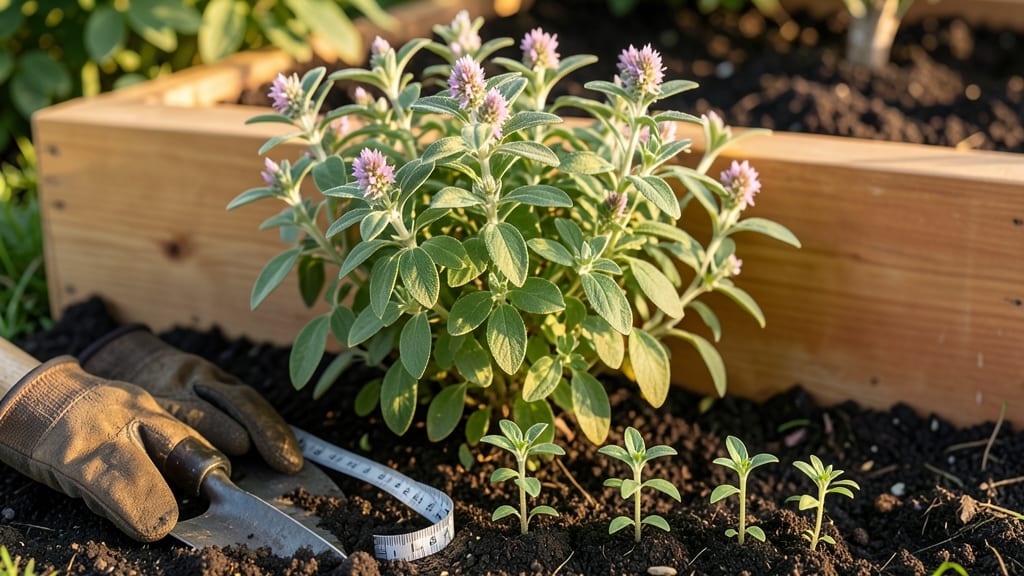
Planting oregano 12 to 18 inches apart is the golden rule for a thriving, fragrant herb garden 🌿 — too close, and you’ll smother the growth; too far, and you waste precious space.
Struggling to grow lush, fragrant oregano that spreads beautifully instead of competing for space? Proper spacing is the secret weapon—get it wrong, and you’ll end up with stunted plants or invasive overgrowth.
This isn’t just about numbers—sunlight, soil type, and even your climate zone play a role. Mediterranean varieties like Greek oregano need slightly more room than Italian oregano, while containers demand even tighter spacing to maximize yield.
Below, I’ll break down the exact spacing for in-ground and container planting, how to adjust for shade or poor soil, and the one pruning trick that keeps oregano bushy and full-flavored all season.

Ideal oregano plant spacing by variety: Greek vs. Italian vs. wild
Oregano isn't just one plant—it comes in distinct varieties, each with unique spacing needs. Greek oregano spreads aggressively, while Italian oregano stays compact, and wild oregano grows low but wide.
Getting the spacing right maximizes your harvest and keeps your plants healthy. Let’s break down the ideal distances for each type, whether you're planting in the ground or containers.
Proper spacing ensures strong airflow, which is critical for preventing fungal diseases like powdery mildew. It also allows sunlight to reach all parts of the plant, boosting that signature fragrant aroma we all love.
For in-ground planting, most varieties need at least 12-18 inches apart, but wild types can stretch wider. Containers? They’re a game-changer for small spaces—just follow these guidelines to avoid overcrowding.
If you're planting Greek oregano, give it the most room—18-24 inches apart—because it grows tall and wide. This spacing prevents overcrowding and ensures each plant gets enough sunlight to develop its bold, peppery flavor.
In containers, one plant per 12-inch pot works well, but expect slower growth compared to in-ground planting.
For Italian oregano, you can plant them closer together—12-15 inches apart—since they stay smaller. This variety is perfect for small gardens or windowsill containers. Just remember, tighter spacing can reduce airflow, so avoid planting more than one plant per 6-8 inch pot to prevent disease.
Wild oregano is the spreader of the bunch. Give it 24-36 inches apart in the ground to control its aggressive growth. In containers, a 10-12 inch pot per plant is ideal, but be prepared for it to spill over the edges.
This variety has a milder flavor but adds a lovely ground cover look to your garden.
Container planting changes the game for oregano. Since pots have limited space, focus on dwarf varieties or prune regularly to keep plants compact. Use well-draining soil and ensure pots have drainage holes to prevent root rot.
For multiple plants in one container, stick to the spacing guidelines but reduce the numbers—3-4 Italian oregano plants in a 16-inch pot is a great combo.
One of the biggest mistakes I see is planting oregano too close together, especially Greek oregano. Overcrowding leads to yellowing leaves and weak stems because the plants compete for nutrients and sunlight.
If you’ve already planted too close, don’t worry—you can prune back the outer growth and thin out the center to improve airflow.
For maximum fragrance, aim for full sun exposure and proper spacing. When oregano gets enough light and room to breathe, it produces more essential oils, which is what gives it that amazing aroma. If
How to adjust oregano spacing for different growing conditions
Oregano thrives when given the right amount of space to breathe and grow, but those needs change based on where you live and how you're growing it. In Mediterranean climates, where oregano naturally grows, plants spread more aggressively due to warm, dry conditions.
But in cooler USDA zones 5-9, you'll need to adjust spacing to prevent disease and maximize fragrance.
Sunlight exposure also plays a huge role—full sun (6+ hours daily) encourages bushier growth, while partial shade (3-4 hours) may require tighter spacing. Poor soil quality or heavy clay can stunt growth, making proper spacing even more critical to avoid competition for nutrients.
- 1 Full Sun (6+ hours): Space 12-18 inches apart for in-ground planting to ensure airflow and fragrance. In containers, use 1 plant per 6-inch pot for optimal sun exposure.
- 2 Partial Shade (3-4 hours): Reduce spacing to 8-12 inches apart to compensate for slower growth. Containers should hold 2 plants per 10-inch pot to share resources.
- 3 USDA Zones 5-6 (Cooler Climates): Space 18-24 inches apart to prevent fungal diseases like powdery mildew. Use mulch to retain warmth and reduce spacing to 12 inches if growing in containers.
- 4 USDA Zones 7-9 (Warmer Climates): Space 10-14 inches apart for aggressive spread. In containers, use 1 plant per 8-inch pot to control growth and maximize harvest.
- 5 Poor Soil/Clay: Increase spacing to 24 inches apart and amend soil with compost or sand. Containers should be 12+ inches deep to prevent root binding.
If you're growing oregano in containers, spacing becomes even more critical. A single plant in a 6-inch pot will thrive, but if you're planting multiple, leave 4-6 inches between stems to avoid overcrowding. This is especially important in small urban gardens where space is limited.
For maximizing fragrance, prioritize airflow by spacing plants further apart in humid climates. Crowded oregano loses its aromatic oils faster due to poor circulation, so don’t hesitate to prune back stems to encourage bushier, more fragrant growth.
In USDA Zone 5, where winters are harsher, mulch heavily around plants and space them 18 inches apart to protect roots. In Zone 9, where heat is intense, reduce spacing to 10 inches but ensure containers have drainage to prevent root rot.
Remember, oregano is a perennial in warm climates, so proper spacing now means years of fragrant harvests with minimal effort. Adjust based on your microclimate, and your oregano will reward you with bushy, aromatic plants all season long. 🌿