
Planting
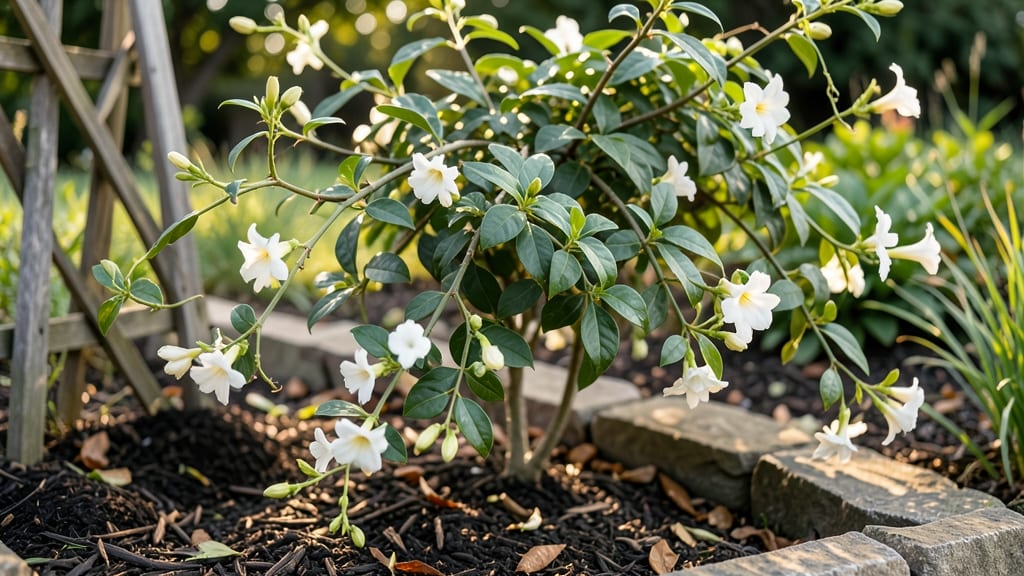
Browse jasmine plant pictures to see how fragrant purple blooms transform any garden into a dreamy, romantic retreat. 🌸 I’ve always loved how they climb trellises or spill over borders, creating a fragrant cloud that draws you in—especially when paired with late-afternoon sunlight.
The contrast of deep purple flowers against lush green leaves makes them a standout in any design, whether as a climbing star jasmine or a compact shrub variety.
These plants thrive in warm climates but can also brighten cooler gardens with the right care. Imagine them framing a patio, cascading over an arbor, or even as a fragrant hedge.
The key is choosing the right variety—some bloom in spring, others in summer, and a few even flower year-round in mild zones. Their delicate scent and striking color make them perfect for adding drama without overwhelming other plants.
Pair them with silver foliage plants like lamb’s ear or dusty miller to highlight their vibrancy, or contrast them with deep reds and burgundies for a rich, moody look.
The best part? Their fragrance peaks at dusk, turning your garden into an evening sanctuary. Whether you’re designing a cottage garden or a modern landscape, jasmine adds effortless elegance.
For maximum impact, plant them near seating areas or walkways where you’ll enjoy their scent up close. A well-placed jasmine vine can become the heart of your garden, drawing eyes and filling the air with intoxicating perfume.
Start with a single variety to see how it fits before expanding—your garden will thank you.
📚 In This Guide
- What you need
- Instructions
- Tips and common mistakes
- Wrapping up and next steps
What you need
- ● Jasmine plant: 1-3 Jasminum officinale (common jasmine) or Jasminum sambac (Arabian jasmine) plants (purchased from a nursery or propagated from cuttings).
- ○ Optional varieties: Star jasmine (Trachelospermum jasminoides) or pink jasmine (Jasminum polyanthum) for diverse colors and scents.
- ● Potting soil: 1-2 bags (5-10 lbs each) of well-draining, peat-based or coconut coir mix (pH 6.0-7.0). Avoid heavy clay soil.
- ● Containers: 1-2 6-8 inch pots (for seedlings or small plants).
- ● 1 12-15 inch pot or garden bed (for mature plants; ensure drainage holes!).
- ○ Optional: Trellis, obelisk, or fence (for climbing varieties; 6-8 ft tall).
- ● Pruning shears: 1 pair of sterilized, sharp shears (for trimming and shaping).
- ● Watering can or hose: With a gentle spray nozzle (to avoid disturbing soil).
- ● Fertilizer: 1 bottle of balanced liquid fertilizer (10-10-10 or 20-20-20, diluted to half-strength).
- ○ Optional: Slow-release granules (e.g., osmocote) for long-term feeding.
- ● Mulch: 1 bag of organic mulch (e.g., shredded bark or pine needles) to retain moisture.
- ● Grow lights: LED grow bulbs (for indoor seedlings; 12-16 hours/day).
- ● Humidity tray: A shallow tray with pebbles and water (to boost humidity for tropical jasmine varieties).
- ● Plant supports: Stakes or clips for training vines early.
- ● Pest control: Neem oil or insecticidal soap (preventative measure for aphids or spider mites).
- ● Camera or smartphone: For capturing those stunning jasmine plant pictures! 📸
How to grow a stunning purple jasmine plant
Here's how to cultivate that showstopping purple jasmine with fragrant blooms you'll want to photograph daily.
🌱 Step 1: Select the Right Variety and Planting Location
For those dramatic purple blooms, choose a Jasminum polyanthum or Jasminum officinale 'Purpureum' variety—both produce stunning clusters of deep purple flowers. Plant in partial shade to full morning sun (afternoon sun can scorch leaves), especially in hotter climates. I always check the microclimate first—this plant thrives where temperatures stay between 60-75°F during the day.
Jasmine needs well-draining soil, so if your garden soil is heavy clay, amend with 3-4 inches of compost mixed into the top 12 inches of soil. The roots appreciate a slightly acidic to neutral pH (6.0-7.0). Here's the thing—purple jasmine grows best as a climbing vine, so install a 6-8 foot trellis or arbor near your planting spot before you put the plant in the ground.
☀️ Step 2: Plant at the Right Time and Depth
Plant your jasmine in early spring after the last frost date in your zone, giving it 6-8 weeks to establish before summer heat arrives. Dig a hole twice as wide as the root ball but only as deep as the container it came in. This prevents burying the stem too deeply, which promotes rot.
Place the plant in the hole, backfill with native soil, and water deeply to settle everything. I always add a 2-inch layer of mulch around the base (but not touching the stem) to retain moisture and regulate soil temperature. Watch for new growth within 2-3 weeks—that's your signal the plant has rooted successfully.
💧 Step 3: Water and Fertilize for Optimal Growth
Water deeply once a week during the first growing season, allowing the top 2-3 inches of soil to dry out between waterings. Overwatering is the fastest way to kill jasmine—yellowing leaves or wilting despite moist soil means you're watering too much. Once established, jasmine becomes drought-tolerant, but you'll see the most vibrant purple blooms with consistent moisture.
Feed with a balanced 10-10-10 fertilizer every 4-6 weeks during the growing season (spring through summer). I switch to a low-nitrogen, high-phosphorus (5-10-10) formula when buds form to encourage flowering. The key is not to fertilize after mid-summer—this plant needs a rest period to prepare for next year's blooms.
✂️ Step 4: Prune and Train for Maximum Blooms
Prune in late winter or early spring before new growth begins, removing any dead, diseased, or crossing branches. I cut back one-third of the previous year's growth to encourage bushier, more productive growth. Never prune after mid-summer—you'll sacrifice next year's flowers. Train the vines along your trellis by gently tying them with soft plant ties every 6-8 inches as they grow.
Here's where it gets fun—watch how the plant responds. If you see leggy growth reaching for light, your trellis isn't getting enough sun exposure. Purple jasmine blooms best when it has 4-6 hours of morning sunlight, so adjust the trellis position if needed. Deadhead spent blooms regularly to encourage more flowers—this plant rewards consistent care with continuous blooming from late spring through summer.
🌿 Step 5: Overwinter for Next Year's Purple Spectacle
In colder climates (below Zone 7), protect your jasmine by wrapping the trellis and plant with burlap and adding a 3-inch layer of mulch around the base. I've found that even in mild winters, a light frost can damage new growth, so cover tender varieties with frost cloth if temperatures dip below 28°F. In warmer zones, minimal care is needed—just reduce watering and stop fertilizing.
The real secret to next year's purple blooms? Don't prune in fall—wait until late winter when you can see which branches are still alive. You'll notice the plant's natural shape emerges more clearly after winter dormancy. With proper care, your jasmine will reward you with even more dramatic purple flowers each subsequent year—perfect for those Instagram-worthy garden pictures.
Tips & tricks for stunning purple jasmine blooms
Here's what I've learned from years of growing these showstopping purple vines—tricks that make all the difference between pretty and picture-perfect.
Variety Matters: While both Jasminum polyanthum and Jasminum officinale 'Purpureum' produce gorgeous purple blooms, I've found polyanthum handles heat better in zones above 8. For cooler climates, 'Purpureum' has slightly hardier stems. Check your local nursery for the best match—some varieties even produce white flowers mixed with purple for extra visual drama!
Sunlight Secret: The 4-6 hours of morning sun mentioned in Step 1 is non-negotiable for those vibrant purple blooms. I've seen plants in afternoon sun develop yellowish leaves and fewer flowers. If your garden only gets afternoon sun, consider planting near a north-facing wall or using a sheer curtain to filter the intense midday rays during summer months.
Soil Science: That 3-4 inches of compost in Step 1 isn't just about drainage—it's about feeding the roots. I've found that adding a handful of egg shells (crushed) to the planting hole provides extra calcium, which strengthens cell walls and makes those purple blooms more resilient. The slightly acidic to neutral pH (6.0-7.0) is perfect—test your soil if you're unsure, as many garden soils run too alkaline for optimal jasmine growth.
Photography Tip: For those Instagram-worthy pictures, wait until late morning when the dew has dried but before the heat of afternoon. The purple blooms look most vibrant in natural daylight, and the fragrance is strongest in these cooler morning hours. A simple trick: hold your phone vertically and zoom in slightly to create a "close-up" effect without actually getting too close to the delicate flowers.
Pro Tips for Jasmine Plant Pictures
- Here's what I've learned from years of growing these showstopping purple vines—tricks that make all the difference between pretty and picture-perfect.
- Variety Matters: While both Jasminum polyanthum and Jasminum officinale 'Purpureum' produce gorgeous purple blooms, I've found polyanthum handles heat better in zones above 8.
- Sunlight Secret: The 4-6 hours of morning sun mentioned in Step 1 is non-negotiable for those vibrant purple blooms.
Frequently asked questions
Got questions about growing or styling jasmine plants? You’re not alone! Here are answers to the most common queries—from care tips to creative uses for those stunning purple blooms.
How often should I water my jasmine plant?
Water your jasmine plant when the top 1–2 inches of soil feel dry. Overwatering is a common mistake—jasmine prefers well-draining soil and can rot if soggy. In summer, water every 5–7 days; reduce to once a week in winter. Pro tip: Check soil moisture with your finger before watering!
When is the best time to plant jasmine for blooms?
Plant jasmine in early spring (after the last frost) or fall (6–8 weeks before the first frost) for optimal growth. This gives roots time to establish before extreme temperatures. If you’re growing in containers, spring is ideal—jasmine thrives in warmth and blooms best with consistent sunlight.
Can I grow jasmine indoors, and how do I keep it blooming?
Yes! Choose a compact variety like Jasmine polyanthum or Jasmine sambac for indoor pots. Place it near a south- or west-facing window (6+ hours of sunlight daily). To encourage blooms, prune lightly after flowering and fertilize monthly with a balanced, diluted plant food during spring/summer.
What are some alternatives to purple jasmine if I can’t find it?
If purple jasmine (Jasminum officinale ‘Purpureum’) is hard to find, try these fragrant or visually similar options:
- Star jasmine (Trachelospermum jasminoides): White, star-shaped blooms with a sweet scent.
- Arabian jasmine (Jasminum sambac): Double white/pink flowers, highly fragrant.
- Clematis: Some varieties (like ‘Jackmanii’) have purple blooms and climb like jasmine.
- Wisteria: Purple flowers, but needs more space and support.
All are climbers or vines—perfect for trellises!
Why isn’t my jasmine plant blooming, and how can I fix it?
Jasmine may skip blooms due to lack of sunlight, over-fertilizing, or pruning at the wrong time. Fix it by:
- Moving it to a sunnier spot (jasmine needs 6+ hours of light).
- Avoiding high-nitrogen fertilizer—switch to a low-nitrogen, high-phosphorus formula.
- Pruning after blooming (never in fall/winter) to encourage new growth.
Patience is key—jasmine can take 2–3 years to mature and bloom!
Wrapping up and next steps
From their stunning purple blooms to their intoxicating fragrance, jasmine plants are a dream for any gardener or plant lover! 🌸 Whether you’re drawn to their beauty, their air-purifying benefits, or their ease of care, these plants are a fantastic addition to any space.
Now that you’re inspired, why not take the next step?
💡 Start small: Pick a sunny spot in your garden, balcony, or indoor space, gather your supplies, and bring home your first jasmine plant. Or, if you’re feeling adventurous, propagate your own from cuttings—it’s easier than you think!
Your fragrant purple paradise awaits—let’s grow it together! 🌿✨