
Planting
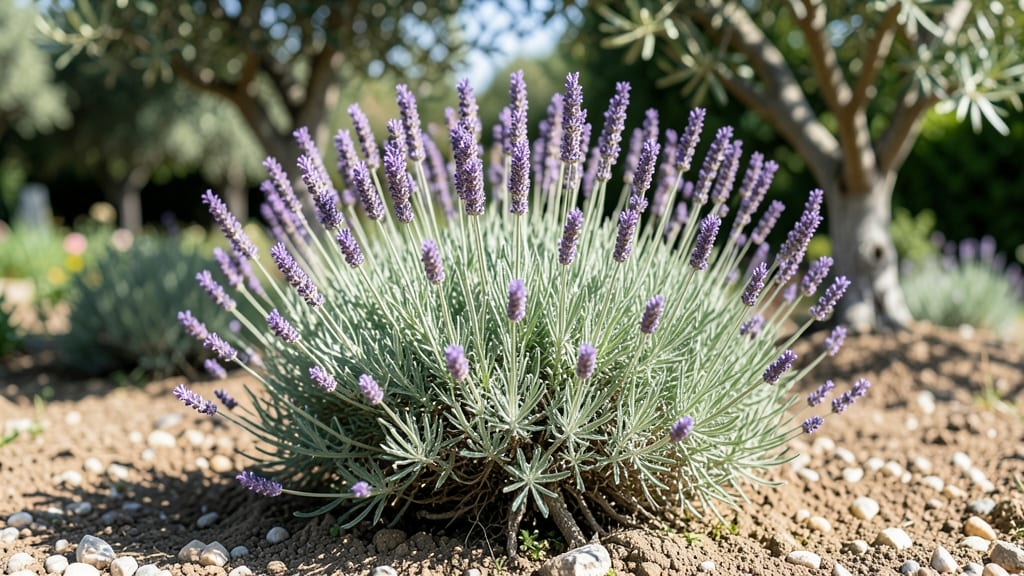
Planting Lavender Lady lilac transforms your spring garden into a fragrant cloud of purple perfection. 🌸 I’ve grown this variety for years, and its delicate lavender-blue blooms arrive earlier than most lilacs, giving you weeks of fragrant beauty before summer even begins.
This lilac thrives in full sun and well-draining soil—key for preventing those sad, mushy stems. A single plant can reach 6 feet tall, but its compact growth habit makes it perfect for small gardens or containers.
The blooms aren’t just pretty; they perfume the air with a sweet, honey-like scent that draws bees and hummingbirds. With the right care, you’ll get abundant blooms for 3-4 weeks starting in late spring.
Prune lightly after flowering to keep the shape tidy, and watch it reward you with even more flowers next year. The secret? Consistent moisture without soggy soil. Works beautifully as a standalone specimen, in mixed borders, or even as a fragrant hedge.
Here’s how to make it thrive in your garden!
📚 In This Guide
- What you need
- Instructions
- Tips and common mistakes
- Wrapping up and next steps
What you need
- ● Lavender Lady Lilac Plant: 1 nursery-grown sapling (3–4 feet tall, mature size) or
- ● Seeds (if starting from scratch—germination can take 2–4 weeks!)
- ● Planting Site: Full sun (6+ hours of direct sunlight daily)
- ● Well-draining soil (amend with compost if your soil is heavy)
- ● Space: 6–8 feet apart (or 4–5 feet for smaller gardens)
- ● Tools: Trowel or shovel
- ● Garden gloves (to protect your hands!)
- ● Watering can or hose with a gentle spray nozzle
- ● Mulch (2–3 inches of organic mulch like shredded bark or straw)
- ● Slow-release fertilizer (for established plants, apply in early spring)
- ● Pruning shears (for shaping and maintaining blooms)
- ● Plant support stakes (if your garden has strong winds)
- ● Epsom salt (1 tablespoon per plant annually for magnesium boost)
- ● Pest deterrents (neem oil or insecticidal soap if aphids or spider mites appear)
Step-by-step guide to planting and caring for Lavender Lady lilac
This fragrant beauty thrives with just a few key steps—let’s get your lilac established for years of springtime blooms.
🪴 Step 1: Choose the Perfect Planting Spot
Lavender Lady lilacs love full sun—at least 6 hours daily. I plant mine where they’ll get morning sun and afternoon shade in hotter climates, which prevents leaf scorch. The soil should drain well; if yours is heavy clay, amend with 2-3 inches of compost mixed into the top 12 inches.
Dig a hole twice as wide as the root ball but only as deep as the container’s base. This encourages roots to spread outward instead of settling too deep. Loosen the roots gently if they’re circling—they’ll thank you with stronger growth.
🌱 Step 2: Plant with Proper Spacing and Support
Space your Lavender Lady lilacs 6-8 feet apart for full, airy blooms. I always plant 3-4 together to create a stunning spring display. Backfill the hole with native soil, tamping lightly to remove air pockets. Water deeply right after planting to settle the soil around roots.
Stake young plants if needed—they’re sturdy but can lean in windy spots. I use 3-foot bamboo stakes> tied loosely with soft twine to avoid girdling the stem. Mulch with 2-3 inches of organic mulch (like shredded bark), keeping it 3 inches away from the trunk> to prevent rot.
☀️ Step 3: Water and Fertilize for Healthy Growth
Water deeply once a week> during the first growing season, letting the soil dry slightly between waterings. Overwatering is the #1 killer—these lilacs hate soggy roots. After the first year, they’re drought-tolerant once established, so cut back to every 2-3 weeks> in dry spells.
Fertilize lightly in early spring with a balanced 10-10-10> formula. Too much nitrogen makes leaves overgrow at the expense of flowers. I skip fertilizer after the first year unless the blooms look sparse—then I use a low-phosphorus> option to encourage more flowers.
✂️ Step 4: Prune for Shape and Next Year’s Blooms
Prune right after flowering, when about 1/3 of the blooms have faded>. Cut back to just above a set of leaves where new buds form. This ensures next year’s flowers will be abundant. I never prune into old wood—always shape from the current season’s growth.
Remove any dead, crossing, or weak branches with clean cuts. Thin out crowded stems to improve airflow, which prevents fungal diseases. A light shaping in late summer keeps the plant tidy without sacrificing next year’s blooms.
⏰ Step 5: Overwinter for Long-Term Health
Lavender Lady lilacs are hardy but benefit from winter protection in colder zones. I mound 4-6 inches of mulch> around the base after the first hard frost, then remove it in early spring. In windy areas, wrap young plants with burlap> to prevent winter burn.
Watch for signs of stress—yellowing leaves often mean too much water or poor drainage. Adjust your care based on what you see: more sun, less water, or better-draining soil. With proper attention, your lilacs will reward you with fragrant blooms for decades.
Tips & tricks for perfect Lavender Lady lilac planting
Between us, these fragrant beauties reward patience with decades of blooms—but only if you nail the basics. Here's what I've learned after watching too many lilacs struggle.
Sunlight Strategy: The 6 hours of daily sun is non-negotiable, but here's the secret: position your lilacs to get morning sun and afternoon shade in hot climates. I've seen leaf scorch ruin beautiful plants when they get that harsh afternoon heat. If your yard has limited sun, consider planting near a south-facing wall that reflects light back to the plant.
Root Ball Rescue: When you dig that hole twice as wide as the root ball, don't just drop the plant in! Gently loosen any circling roots with your fingers—this encourages outward growth instead of that tangled mess you'll regret later. I've seen plants take years to recover from this simple step skipped.
Watering Wisdom: That "deeply once a week" rule changes dramatically after the first year. Once established, these lilacs are drought-tolerant, but here's the catch: the soil must be well-draining. If you're unsure about your soil, do the finger test—stick your finger 2 inches down after watering. If it's still damp after 48 hours, you're overwatering.
Pruning Precision: Timing is everything when you prune that 1/3 faded blooms. Wait until about 75% of the flowers have dropped—this gives you the best balance between current blooms and next year's buds. I mark my calendar right after the first big bloom wave to catch this perfect window.
Pro Tips for Lavender Lady Lilac Plant
- Between us, these fragrant beauties reward patience with decades of blooms—but only if you nail the basics.
- Sunlight Strategy: The 6 hours of daily sun is non-negotiable, but here's the secret: position your lilacs to get morning sun and afternoon shade in hot climates.
- Root Ball Rescue: When you dig that hole twice as wide as the root ball, don't just drop the plant in!
Frequently asked questions
Got questions about growing and caring for your Lavender Lady lilac? You’re not alone! Here are some of the most common queries—and their answers—to help you nurture this fragrant beauty with confidence.
How do I know when my Lavender Lady lilac is ready to bloom?
The Lavender Lady typically blooms in late spring, producing clusters of soft lavender-pink flowers. Look for buds forming along the stems in early spring—once they swell and turn a light purple hue, blooms will follow in 2–3 weeks! Prune spent flowers after blooming to encourage next year’s growth.
How long does it take for a Lavender Lady lilac to mature and flower?
With proper care, young Lavender Lady lilacs planted in spring may produce sparse blooms in their first year. Full maturity—and those stunning, abundant flowers—usually takes 2–3 years. Patience pays off: once established, this lilac thrives for decades!
Why aren’t my Lavender Lady lilac leaves turning green? Are they dying?
Yellowing or pale leaves often signal overwatering, poor drainage, or nutrient deficiencies. Ensure your lilac is in well-draining soil and water deeply but infrequently (about 1 inch per week). A balanced fertilizer in early spring can also revive growth. Avoid soggy soil—this plant hates "wet feet!"
Can I grow Lavender Lady lilacs in containers? What’s the best pot size?
This compact lilac adapts well to containers, making it perfect for patios or small gardens. Use a pot at least 18–24 inches wide and deep with drainage holes. Mix in compost for nutrients and replant every 3–4 years to refresh the soil.
Are Lavender Lady lilacs deer-resistant? What pests should I watch for?
While not fully deer-proof, Lavender Lady lilacs are less appealing than other plants due to their fuzzy leaves. Keep an eye out for aphids or borers—spray with soapy water or neem oil if needed. Japanese beetles may also target the blooms; handpick them early in the day for best results.
Wrapping up and next steps
Growing a Lavender Lady Lilac is a rewarding way to bring timeless beauty and intoxicating fragrance to your garden. With its stunning purple blooms and low-maintenance care, this perennial is perfect for adding springtime elegance to any landscape.
Whether you’re a seasoned gardener or just starting out, your efforts will be met with breathtaking results! Ready to transform your outdoor space? Start by choosing the right location, gather your supplies, and follow the steps to plant your Lavender Lady with confidence. Happy gardening—your fragrant oasis awaits! 🌸✨