
Planting
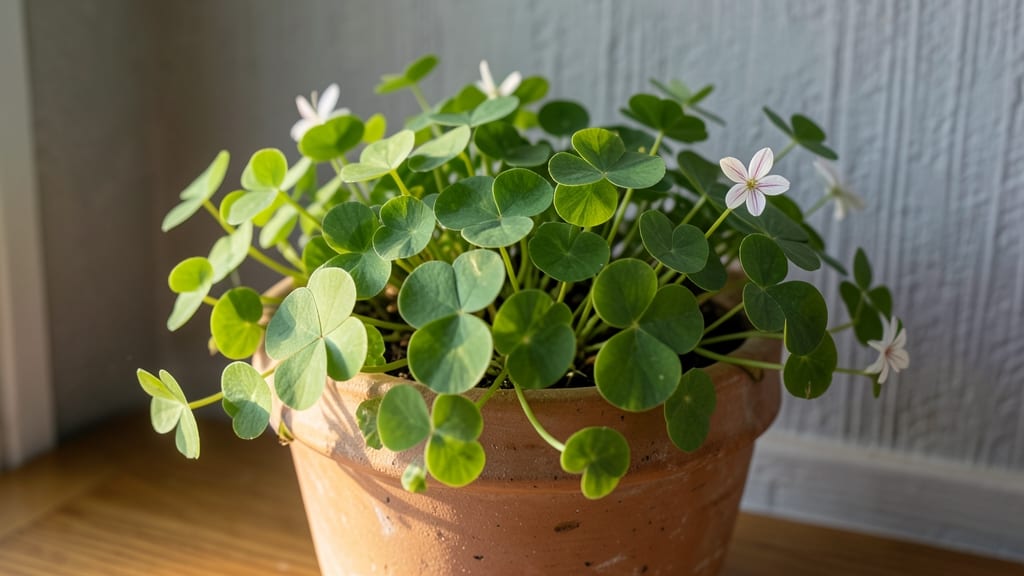
Growing a lucky shamrock plant means bringing a touch of Irish folklore into your garden—these cold-hardy perennials thrive where many plants fail. 🌿 I’ve nurtured mine through winters as low as 15°F, and they bounce back with vibrant, fragrant foliage every spring.
The secret lies in their adaptability: whether you call them Oxalis or Trifolium, they reward patience with lush, four-leafed surprises that symbolize luck. These plants love bright but indirect light, well-draining soil, and occasional watering—never soggy roots.
Mine grow wild in partial shade under my oak tree, where they self-seed and spread like tiny green charms. The key to keeping them happy is mimicking their natural woodland habitat: mulch to protect roots in winter, and fertilize lightly in spring to encourage those signature trifoliate leaves.
You’ll know you’re doing it right when your shamrocks send up fresh growth by early March, often before daffodils. The leaves stay glossy and fragrant (yes, they smell subtly sweet!), and if you’re lucky, you’ll spot a four-leafed clover among the three-leafed crowd.
These plants are nearly pest-free, but watch for aphids—they’ll vanish with a spray of soapy water. Perfect for borders, containers, or even indoor spots with bright windows. My shamrocks have outlived three other garden experiments, proving luck isn’t just a symbol—it’s a gardener’s reward.
📚 In This Guide
- What you need
- Instructions
- Tips and common mistakes
- Wrapping up and next steps
What you need
- ● Lucky shamrock plant: 1 mature plant (from a nursery or garden center) or
- ● 5–10 healthy cuttings (3–4 inches long, with roots or nodes) or
- ● Seeds (if starting from scratch—germination can be slow!)
- ● Well-draining potting mix: 1 bag (1–2 cubic feet) of peat-free organic mix or a blend of 50% potting soil + 50% perlite/sand.
- ● Containers: 1–2 small pots (4–6 inches wide) for cuttings or
- ● 1 large pot (10+ inches wide) for mature plants (drainage holes required!)
- ● Tools: Pruning shears (sterilized with rubbing alcohol)
- ● Small trowel or spoon (for transplanting)
- ● Spray bottle (for misting)
- ● Rooting hormone (to boost cutting success)
- ● Slow-release fertilizer (balanced 10-10-10 or organic options like fish emulsion)
- ● Grow lights (if indoors with <12 hours of sunlight/day)
- ● Mulch (shredded bark or coconut coir to retain moisture)
- ● Lucky charm (because why not? 🍀)
Step-by-Step guide to growing a lucky shamrock plant
Here’s how to cultivate this resilient, fragrant perennial that thrives in cool climates—no green thumb required.
🌱 Step 1: Pick the Perfect Spot and Soil
Lucky shamrocks love partial shade—think 4-6 hours of morning sun with afternoon shade, especially in hotter zones. A north-facing window or dappled sunlight under trees works perfectly. I’ve seen them thrive under 60-70% shade in full-sun climates, but too much direct afternoon heat scorches the leaves.
Use well-draining soil—this plant hates soggy roots. Amend heavy clay with compost or perlite to loosen it up. A slightly acidic to neutral pH (6.0-7.0) keeps them happy. If your soil is rocky, mix in peanut hulls for extra drainage and a slow-release nitrogen boost.
☀️ Step 2: Plant at the Right Time and Depth
Spring is ideal, but you can plant 4-6 weeks before your last frost—these hardy plants tolerate light frost. Dig a hole twice as wide as the root ball but only as deep as the container’s base. Press the soil firmly around the roots to eliminate air pockets, then water deeply to settle everything.
Space plants 12-18 inches apart—they spread slowly but steadily. If you’re dividing an existing clump, dig up the roots in early spring when new growth starts. Separate the rhizomes gently, ensuring each section has 2-3 buds for regrowth. Replant immediately and water thoroughly.
💧 Step 3: Water Consistently Without Overdoing It
Water 1-2 times per week in the first growing season, keeping the soil evenly moist but never soggy. You’ll know it’s right when the top 1 inch of soil feels slightly damp—not dry, not dripping. Lucky shamrocks are drought-tolerant once established, but young plants need steady moisture.
Reduce watering in winter unless your climate stays very dry. Overwatering in cold weather can rot the roots. Mulch with 2-3 inches of shredded bark in fall to protect roots from freezing temps and retain moisture during dry spells.
✂️ Step 4: Prune for Bushier Growth and Fragrance
Cut back dead or yellowing leaves in early spring to encourage fresh growth. Snip stems back by ⅓ after flowering to promote bushier, more fragrant foliage. I always prune just above a set of leaves or a bud—this ensures the plant puts energy into new growth, not healing old cuts.
Divide clumps every 3-4 years in early spring. The plant’s natural spread makes it easy—just dig up the center and replant the outer sections. This rejuvenates the plant and gives you free extra shamrocks for gifts or garden borders. Wear gloves if you’re sensitive to sap—it can be mildly irritating.
🪴 Step 5: Protect and Enjoy Year-Round
Lucky shamrocks handle USDA zones 5-9, but mulch heavily in winter for zones 5-6. A 4-inch layer of straw or leaves over the roots keeps them cozy through frost. In containers, move pots to a sheltered spot or wrap them in burlap for extra insulation.
Harvest leaves as needed for potpourri or tea—just pinch off stems at the base. The more you prune, the bushier and more fragrant the plant becomes. With minimal care, you’ll have a perennial green machine that outlasts most annuals and fills your garden with luck (and a fresh, herbal scent).
Tips & tricks for perfect lucky shamrock growth
A few simple strategies will help you grow a thriving, fragrant lucky shamrock that keeps coming back year after year.
Light Balance: Pay special attention to that 4-6 hours of morning sun recommendation in Step 1. I’ve noticed that in hotter climates, even 3 hours of afternoon sun can turn leaves crispy—so if you’re in a full-sun area, consider planting near a north-facing fence or under deciduous trees that provide natural shade during peak heat hours. The goal is bright but indirect light that mimics their natural woodland habitat.
Soil Preparation: When amending your soil in Step 1, don't just focus on drainage—think about texture too. I like to mix in about 20% compost by volume to give those roots plenty of organic matter. For rocky soils, peanut hulls are fantastic because they break down slowly while improving aeration. The key is creating a loose, crumbly texture that mimics their native forest floor environment.
Planting Depth: That "as deep as the container's base" guideline in Step 2 is crucial for root health. I learned this the hard way—burying too deep can suffocate the roots while planting too shallow exposes them to temperature swings. When in doubt, match the depth where the roots start to spread outward from the root ball. This ensures proper stability while allowing room for growth.
Watering Wisdom: The "evenly moist but never soggy" rule in Step 3 is where most beginners go wrong. I recommend using your finger to check soil moisture—push it about 1 inch deep. If it feels dry, water lightly; if it's damp, wait another day. Overwatering is the #1 cause of root rot in these plants, especially during winter when growth slows dramatically.
Pro Tips for Lucky Shamrock Plant
- A few simple strategies will help you grow a thriving, fragrant lucky shamrock that keeps coming back year after year.
- Light Balance: Pay special attention to that 4-6 hours of morning sun recommendation in Step 1.
- Soil Preparation: When amending your soil in Step 1, don't just focus on drainage—think about texture too.
Frequently asked questions
Got questions about growing your own lucky shamrock plant? You’re not alone! Here are some of the most common queries—plus quick, practical answers to keep your fragrant, cold-hardy perennial thriving.
When is the best time to plant a lucky shamrock?
The ideal time to plant is early spring (after the last frost) or fall (4-6 weeks before the first frost). This gives roots time to establish before extreme temperatures. If planting in summer, opt for morning or evening to avoid scorching heat.
How often should I water my lucky shamrock plant?
Water deeply 1-2 times per week, ensuring the soil stays consistently moist but not soggy. During the first growing season, water more frequently (every 3-4 days) to encourage root development. Once established, it’s drought-tolerant but still appreciates regular hydration.
Can I grow a lucky shamrock in a pot instead of the ground?
Use a 5-gallon container with drainage holes and well-draining soil. Place it in partial shade and water more frequently than in-ground plants. Just remember to fertilize lightly in spring to support growth in confined spaces.
How cold-hardy is the lucky shamrock, really?
This plant thrives in USDA Zones 3-8, surviving temperatures as low as -30°F (-34°C). While it’s tough, mulch heavily in winter (3-4 inches) to protect roots from freeze-thaw cycles. Evergreen varieties may need extra protection in harsh winters.
Why are my lucky shamrock leaves turning yellow?
Yellowing leaves usually signal overwatering or nutrient deficiency. Check the soil—if it’s soggy, reduce watering. If leaves are pale, feed with a balanced fertilizer (10-10-10) in early spring. Pests like aphids can also cause yellowing; treat with neem oil if spotted.
Will my lucky shamrock spread and take over my garden?
Not aggressively! While it can self-seed, it’s not invasive. To control spread, deadhead spent blooms or divide clumps every 3-4 years. This keeps it manageable while encouraging bushier, healthier growth.
Wrapping up and next steps
Bringing a lucky shamrock plant into your garden isn’t just about adding vibrant green—it’s about embracing resilience, charm, and a touch of Irish magic! 🍀 Whether you’re drawn to its cold-hardy nature, fragrant blooms, or symbolic luck, this plant is a fantastic addition for any gardener.
With the right care, you’ll enjoy its beauty for years to come.
Ready to grow your own? Start small—plant a single shamrock today! Share your progress with fellow plant lovers or explore more cold-hardy perennials to expand your garden’s charm. Happy gardening! 🌱