
Planting
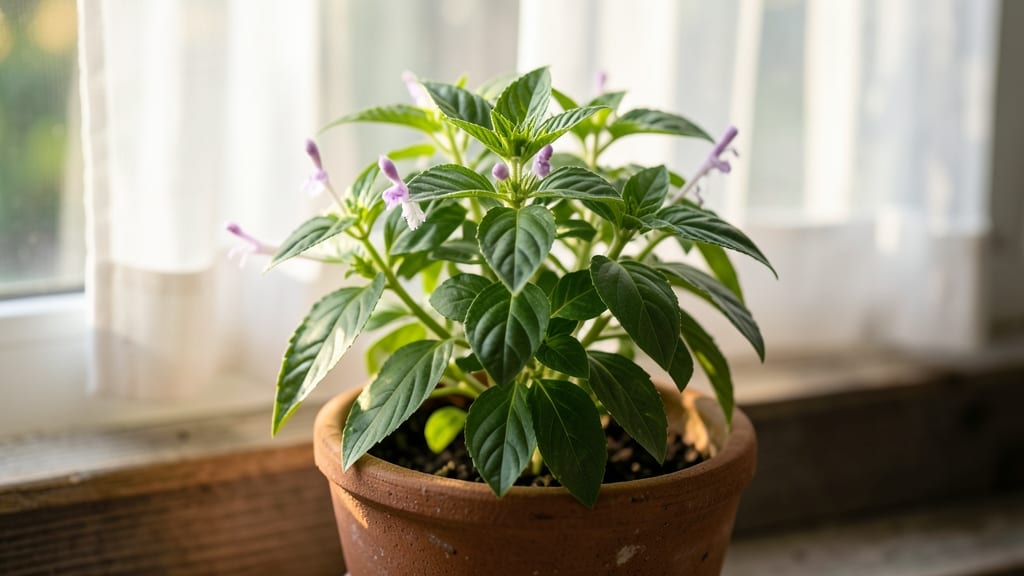
Growing a mint tulsi plant—that fragrant, fast-growing holy basil—feels like unlocking a secret garden remedy. 🌿 Unlike its aggressive mint cousins, this tender perennial thrives in cool climates (zones 3-9) and rewards you with leaves packed with medicinal magic.
My first batch surprised me by surviving a late frost, then bursting into growth by spring—proof this isn’t just a tropical diva.
The secret lies in its simplicity: partial shade (morning sun, afternoon shade) keeps leaves lush without scorching, while moist but well-draining soil prevents the root rot that plagues overwatered herbs.
You’ll harvest 3-4 times before winter, snipping stems just above leaf nodes to encourage bushier growth. The aroma? A spicy-sweet punch that lingers on your hands—nothing like mint’s sharp kick.
By summer, your tulsi will be a pest-repelling powerhouse, its strong scent deterring mosquitoes and aphids while attracting pollinators. Steep leaves in hot water for immune-boosting tea, or chop fresh into soups—every harvest feels like a homegrown apothecary.
The only catch? Watch for powdery mildew in humid zones; a weekly foliar spray of diluted neem oil keeps it at bay.
Whether you’re growing in containers (great for patios) or tucked into garden beds, tulsi adapts—just give it 6-12 inches of space to stretch. Start with cuttings from a trusted plant (seeds take forever to germinate), and you’ll have a year-round harvest with minimal fuss.
The first time you taste your own homegrown remedy, you’ll never buy it again.
📚 In This Guide
- What you need
- Instructions
- Tips and common mistakes
- Wrapping up and next steps
What you need
- ● Seeds or seedlings: 10-20 mint tulsi seeds (or 3-5 seedlings for a small garden). Choose organic, non-GMO seeds if possible.
- ● Containers or garden bed: For pots: 6-8" diameter containers (1 per plant to prevent overcrowding). Ensure pots have drainage holes.
- ● For garden beds: A sunny spot with well-draining soil (6" deep and 12" wide per plant).
- ● Potting mix: 1 bag (5-10 gallons) of high-quality organic potting soil or a blend of garden soil and compost (60:40 ratio).
- ● Fertilizer: 1 cup of balanced organic fertilizer (10-10-10) or composted manure (like cow or chicken).
- ● Watering can or hose: With a gentle spray nozzle for seedlings.
- ● Garden trowel or small shovel
- ● Pruning shears (for harvesting and shaping)
- ○ Glove (optional but recommended for handling soil)
- ● Mulch: Straw or wood chips to retain moisture and suppress weeds.
- ● Grow lights: If starting indoors in low-light areas (LED or fluorescent, 12-16 hrs/day).
- ● Plant markers: To label your mint tulsi (fun fact: it’s also called "Holy Basil"!).
- ● Natural pest repellent: Neem oil or a spray bottle with water and a few drops of dish soap (for aphids or mites).
How to grow cold-hardy mint tulsi in zones 3-9
This aromatic herb handles frost better than most—here's how to establish it for years of harvests.
🌱 Step 1: Select and Prepare the Planting Site
Mint tulsi thrives in partial shade to full sun but tolerates 2-4 hours of morning sun in hotter zones. Choose a spot with well-draining soil—this plant hates soggy roots. I always test soil moisture by squeezing a handful; if it forms a tight ball, amend with compost or sand to improve drainage.
The herb spreads aggressively, so contain it in a 12-inch deep pot or designate a corner of your garden with 18-inch borders to prevent it from taking over. Mint tulsi's square stems and serrated leaves make it easy to identify once established, but you'll thank me later for the containment strategy.
🪴 Step 2: Plant in Early Spring or Fall
For cold-hardy varieties, plant 4-6 weeks before your last frost date in spring or 6-8 weeks before first frost in fall. The key is giving roots time to establish before winter. I dig a hole twice as wide as the root ball but only as deep—planting too deep suffocates the crown.
Place the plant so the top of the root ball sits just below soil level. Backfill with native soil mixed with 2 inches of compost to boost early growth. Water immediately after planting to eliminate air pockets, then let the soil settle for 24 hours before watering again.
⏰ Step 3: Water and Fertilize for Establishment
Keep soil consistently moist but not soggy for the first 4-6 weeks—water when the top 1 inch feels dry. Mint tulsi's deep roots mean it's drought-tolerant once established, but young plants need steady moisture. I use a drip irrigation system on low setting to avoid disturbing roots with frequent watering.
Fertilize lightly with balanced 10-10-10 at planting, then again in early summer. Too much nitrogen produces lush foliage but weakens the plant's cold resistance. You'll know it's happy when new growth appears within 3-4 weeks of planting—those first true leaves are your green light to reduce watering frequency.
☀️ Step 4: Prune and Protect Through Seasons
Cut back one-third of growth in early spring and again after harvest to encourage bushiness. Never let it flower—those seed heads signal the plant's energy is shifting to reproduction rather than growth. I snip stems just above a set of leaves to maintain shape and prevent legginess.
In zones 3-5, mulch with 3 inches of straw before winter to insulate roots. Mint tulsi's hardiness comes from its ability to regrow from the crown, but protection helps it bounce back faster in spring. Watch for yellowing leaves in winter—this is normal dormancy, not a sign of trouble.
🌿 Step 5: Harvest and Overwinter Strategically
Harvest stems 4-6 inches from the base when leaves are fully developed but before flowering. The best time is morning after dew dries—oils are most concentrated then. I harvest every 3-4 weeks throughout growing season, but never take more than one-third of plant at once to maintain vigor.
In fall, cut back growth to 2 inches above ground before first frost. The plant will go dormant but regrows vigorously in spring. If you're in zone 6-9, you can harvest lightly through mild winters—just avoid heavy frost periods when stems become brittle.
Tips & tricks for perfect mint tulsi growth in cold climates
These hard-won lessons will help your mint tulsi thrive through winter and beyond—no matter where you're growing it.
Soil Test First: Before planting, dig a test hole and fill it with water. If it drains in under an hour, your soil is well-draining. If it pools after 24 hours, you need to amend with perlite or coarse sand to prevent root rot. I've seen mint tulsi fail in soggy soil even in colder zones—this plant's roots are sensitive to waterlogging, especially when establishing.
Container Advantage: If you're growing in zones 3-5, containers give you complete control over drainage and winter protection. Use a 12-inch deep pot with drainage holes and bury it halfway in the ground for stability. In winter, move the pot to an unheated garage or wrap it in burlap to protect roots from extreme cold. The key is keeping the crown just above soil level—never bury it deeper than the root ball.
Winter Mulching Hack: For in-ground plants, apply a thick layer of straw (3 inches) after the first frost, then add a second layer in late fall. This creates an insulating blanket that maintains soil temperature fluctuations below freezing. I've seen mint tulsi survive -20°F winters with this method—just remember to remove mulch in early spring before new growth appears.
Harvesting Timing: The morning after dew dries is truly the best time to harvest, but if you miss that window, wait until mid-morning when oils are still concentrated. Avoid harvesting in late afternoon when leaves can wilt from heat stress. I harvest every 3-4 weeks but always leave at least one-third of the plant intact—this ensures continuous growth and prevents shock.
Pro Tips for Mint Tulsi Plant
- These hard-won lessons will help your mint tulsi thrive through winter and beyond—no matter where you're growing it.
- Soil Test First: Before planting, dig a test hole and fill it with water.
- Container Advantage: If you're growing in zones 3-5, containers give you complete control over drainage and winter protection.
Frequently asked questions
Got questions about growing mint tulsi? You’re not alone!
Here are some of the most common queries—plus quick, actionable answers to help you cultivate this cold-hardy herb like a pro.
Can mint tulsi survive winter in colder climates (Zones 3-6)?
Mint tulsi is one of the hardiest tulsi varieties, tolerating temperatures as low as -20°F (-29°C). In zones 3-6, it thrives as a perennial—just mulch heavily with straw or leaves in late fall to insulate roots. Prune back dead foliage in early spring to encourage fresh growth. Pro tip: Plant near south-facing walls or in containers for extra winter protection.
How long does it take for mint tulsi to grow from seeds?
Patience pays off! Mint tulsi seeds germinate in 10–20 days under ideal conditions (warm soil, 70–80°F). Once sprouted, expect slow but steady growth—full maturity (harvest-ready) takes 60–90 days. For faster results, opt for cuttings or young plants, which establish in 4–6 weeks. Speed hack: Soak seeds in warm water overnight before planting to jumpstart germination.
Why is my mint tulsi turning yellow or wilting?
Yellowing or wilting usually signals one of three issues:
- Overwatering: Tulsi hates soggy roots. Let soil dry slightly between waterings (1–2 inches deep).
- Underwatering: Droopy leaves? Water deeply when the top inch of soil feels dry.
- Pests/fungus: Check for aphids or powdery mildew (common in humid climates). Spray with neem oil or increase airflow.
If leaves are crispy, it’s likely heat stress—provide afternoon shade in summer.
Can I grow mint tulsi in containers? If so, what’s the best setup?
Containers are ideal for mint tulsi—it stays compact and prevents invasive spreading. Use a 5–7 gallon pot with drainage holes, filled with well-draining potting mix. Place in full sun to partial shade (6+ hours of sunlight daily). Container hack: Add a handful of compost to the soil mix for nutrient-rich growth. Rotate pots occasionally for even sunlight exposure.
What’s the difference between mint tulsi and regular tulsi (holy basil)?
While both are sacred herbs in Ayurveda, they differ in flavor, hardiness, and uses:
Feature
Mint Tulsi
Regular Tulsi (Holy Basil)
Taste
Cool, minty, slightly peppery
Spicy, clove-like, anise undertones
Cold Hardiness
Zones 3–9 (perennial)
Zones 10–11 (annual in cold climates)
Best For
Teas, soups, pest control, respiratory health
Ayurvedic remedies, sacred rituals, immune support
Growing tip: If you love both, plant them separately—mint tulsi spreads aggressively and can overpower regular tulsi!
Wrapping up and next steps
Growing a mint tulsi plant is a rewarding journey that brings both beauty and wellness to your space—whether you're a seasoned gardener or just starting out! 🌱 With its cold-hardy nature and versatility, this sacred herb thrives in zones 3-9, making it perfect for nearly any climate. Now that you know the essentials—from soil prep to pest control—take the next step and plant your own today!
Start small with a single pot or expand into your garden—either way, you’ll soon enjoy the fresh aroma, healing properties, and stunning foliage of this incredible herb. Happy growing, and may your mint tulsi flourish! 🌿✨