
Planting
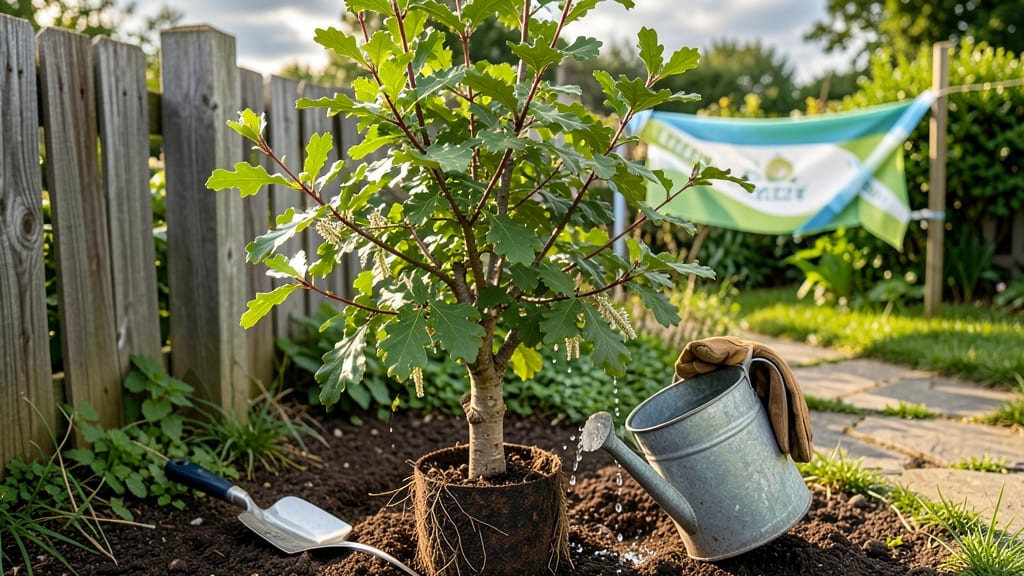
Planting a tree on Earth Day isn’t just symbolic—it’s a carbon-sequestering power move that makes a real difference in just one weekend. 🌱 The trees you plant now will absorb CO₂ for decades, while also creating wildlife habitat and cooling your neighborhood.
This spring, your backyard (or a local park) could be part of the solution—no green thumb required.
Native species like red maple or eastern white pine are perfect for Earth Day planting—they thrive in local soil and grow fast, giving you instant gratification. Dig a hole twice as wide as the root ball, mix in compost, and water deeply before the first leaves unfurl.
Most nurseries offer discounted bare-root saplings in early spring, making this project budget-friendly too.
You’ll see your tree’s impact immediately: cleaner air, more birds, and a cooler microclimate. The best part? You’re not just planting for yourself—you’re joining a global movement.
Schools, churches, and neighborhood groups often organize Earth Day tree-planting events, so check local listings or rally your own crew with free saplings from conservation programs.
Pro tip: Mulch heavily to retain moisture, and stake young trees only if your area gets high winds. Within a year, your tree will be strong enough to stand on its own—just in time for next Earth Day’s celebration. Let’s make this the year your community grows something meaningful together.
📚 In This Guide
- What you need
- Instructions
- Tips and common mistakes
- Wrapping up and next steps
What you need
- ● Tree sapling: 1 native, fast-growing species (e.g., oak, maple, or fruit-bearing trees like apple or cherry). Check local guidelines for best choices!
- ● Size: 2–4 feet tall (whips or container-grown work best for beginners).
- ● Shovel: 1 sturdy, rounded digging spade (18–24 inches long).
- ● Watering can or hose: With a gentle spray nozzle for post-planting care.
- ● Mulch: 2–3 bags (6–12 cubic feet) of organic mulch (wood chips, straw, or shredded leaves).
- ● Gloves: 1 pair of durable work gloves (to protect hands from thorns or rough bark).
- ● Tree stake & ties (if planting in windy areas).
- ● Soil conditioner (compost or peat moss) to improve drainage.
- ● Planting hole marker (stake or flag) to track growth.
- ● Pruning shears (for trimming dead branches post-planting).
- ● Fertilizer (slow-release, organic type for young trees).
Step-by-Step instructions for planting a tree on Earth Day
Here’s how to plant a carbon-sequestering tree that thrives—no green thumb required.
🌱 Step 1: Choose the Right Tree and Location
Select a native tree species for your climate—these adapt best and support local wildlife. A 4-6 foot tall sapling (like oak, maple, or fruit-bearing trees) gives you the best balance of size and stability. Avoid planting near sidewalks, driveways, or power lines; trees need at least 10 feet of clearance to grow safely.
Test your spot by digging a hole with a shovel. If water pools in it after 10 minutes, the soil drains poorly—pick a different location. The ideal site gets 6+ hours of sunlight daily and has well-draining soil. I like to mark the area with a stake so I don’t forget where to dig later.
🪴 Step 2: Dig the Hole and Prepare the Tree
Dig a hole twice as wide as the tree’s root ball but no deeper—planting too deep suffocates roots. Loosen the soil at the bottom with your shovel or hands to encourage root spread. Remove the tree from its container and gently tease apart any circling roots with your fingers—this helps them grow outward instead of wrapping around the trunk.
If your tree is bare-rooted, soak the roots in lukewarm water for 1-2 hours before planting. This revives them and makes transplanting easier. For container-grown trees, water the root ball lightly to settle the soil and prevent air pockets.
☀️ Step 3: Plant and Stake for Stability
Place the tree in the hole so the top of the root ball sits level with the ground—never mound soil against the trunk. Fill the hole with native soil (not amended mix) and tamp it down gently with your hands or feet. Water deeply to settle everything, then add more soil if needed.
Stake the tree only if it’s taller than 6 feet or in a windy area. Use two stakes positioned diagonally, tied loosely with soft fabric strips (not wire). This gives the tree support without restricting growth. Mulch around the base with 2-3 inches of organic mulch, keeping it 6 inches away from the trunk to prevent rot.
💧 Step 4: Water and Monitor for Success
Water the tree deeply every 2-3 days for the first 4 weeks, soaking the soil to a depth of 12-18 inches. You’ll know it’s enough when water runs out the bottom of the hole. After that, water once a week unless it rains—trees need deep, infrequent drinks to develop strong roots.
Check the soil moisture by sticking your finger 2 inches down. If it’s dry, water again. Watch for yellowing leaves or wilting—these are signs of over- or under-watering. In 6-12 months, you’ll see new growth as roots spread beyond the planting hole.
Tips & tricks for planting a thriving Earth Day tree
Common mistakes can turn your Earth Day planting into a sad story—here’s how to avoid them.
Location is Everything: That 10-minute water test in Step 1 is your best friend. If water pools, you’ve got poor drainage, and roots will rot. I’ve planted in spots that seemed fine until I saw mushrooms popping up—signs of soggy soil. Look for areas where water drains within 10 minutes, and you’ll set your tree up for success from day one.
Root Care Makes All the Difference: When you tease those circling roots in Step 2, you’re not just being fussy—you’re preventing a common problem called "girdling roots." I’ve seen trees planted with untouched roots that actually strangle themselves as they grow. For bare-rooted trees, that 1-2 hour soak in lukewarm water is non-negotiable. Cold water shocks roots, while hot water cooks them—lukewarm is the Goldilocks zone.
Mulching Done Right: The 2-3 inches of mulch in Step 3 might seem like a small detail, but improper mulching causes more problems than you’d think. I’ve watched mulch piled against trunks rot bark and invite pests. Keep that mulch 6 inches away from the trunk—it’s not a hug, it’s a protective blanket. Also, avoid thick layers that suffocate roots by blocking air and water.
Watering Wisdom: Those first 4 weeks are critical, but many people either drown or neglect their trees. The key is deep, infrequent watering—think of it like giving your tree a long drink instead of frequent sips. I check soil moisture by sticking my finger 2 inches down; if it’s dry, it’s time to water. Overwatering is just as deadly as underwatering, especially in clay soils where water pools.
Pro Tips for Plant A Tree On Earth Day
- Common mistakes can turn your Earth Day planting into a sad story—here’s how to avoid them.
- Location is Everything: That 10-minute water test in Step 1 is your best friend.
- Root Care Makes All the Difference: When you tease those circling roots in Step 2, you’re not just being fussy—you’re preventing a common problem called "girdling roots."
Frequently asked questions
Got questions about planting a tree on Earth Day? You’re not alone! Here are some of the most common concerns—and straightforward answers to help you get started with confidence.
What’s the best type of tree to plant for maximum carbon-sequestering impact?
Fast-growing, native trees like oak, maple, or pine are ideal—they absorb more CO₂ over time. Avoid invasive species (they harm local ecosystems). Check your USDA Plant Hardiness Zone to pick a tree that thrives in your climate. Pro tip: Deciduous trees are great because they release oxygen during summer!
How long does it take for a newly planted tree to start absorbing carbon?
Trees begin sequestering carbon within 1–2 years, but their full potential takes decades. Young trees focus on root growth first, so patience pays off! For Earth Day, prioritize planting over instant results—every tree helps long-term.
Can I plant a tree in a pot or urban space? What if I don’t have a yard?
Use large containers (at least 15 gallons) for patios or balconies, and choose dwarf varieties like Japanese maples. For urban areas, partner with local community gardens or tree-planting initiatives. Even a small tree makes a difference!
How often should I water a newly planted tree on Earth Day weekend?
Water deeply 2–3 times per week for the first month, then taper to once a week (unless it’s extremely dry). Mulch around the base to retain moisture. Troubleshooting: Wilting leaves? Check soil moisture—overwatering can suffocate roots!
What if my tree doesn’t survive? Did I waste my effort?
Not at all! Even if a tree fails, you’ve still improved soil health, supported local wildlife, and learned for next time. 70% of tree-planting efforts succeed with proper care. Try again—Earth Day is the perfect reminder that every attempt counts!
Wrapping up and next steps
Planting a tree on Earth Day isn’t just a one-time act—it’s a powerful step toward a greener future. 🌱 By following these simple guidelines, you’ve taken charge of reducing carbon emissions, supporting biodiversity, and even boosting your local ecosystem. Your effort matters, and it inspires others to join the movement.
Ready to make an even bigger impact? Share your tree-planting story on social media using #PlantForEarth or organize a community planting event. Every seed you sow today grows into a legacy for tomorrow!