
Planting
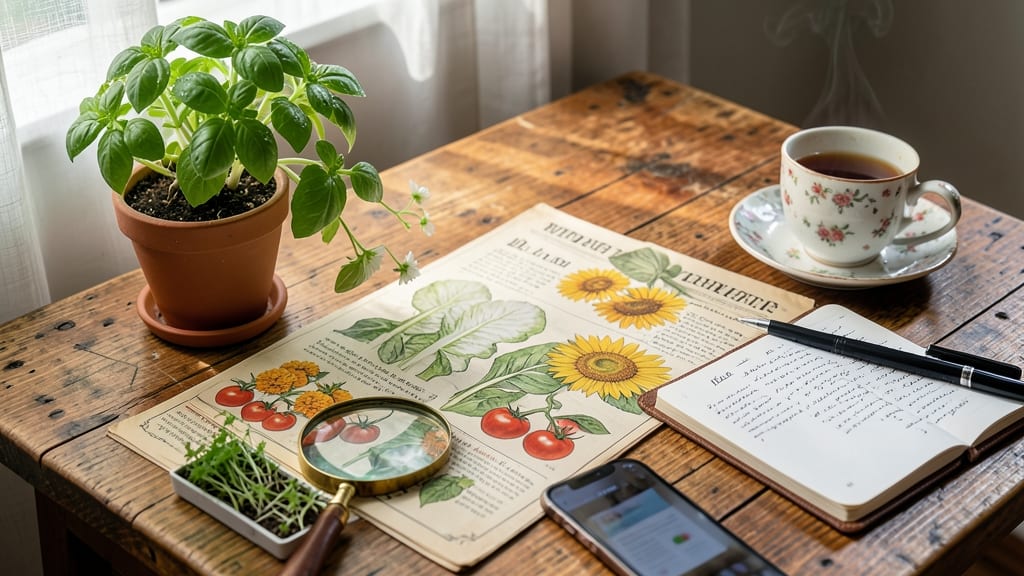
Plant seed catalogues unlock varieties you’ll never find at the store—like heirloom tomatoes that taste like summer or flowers that bloom all season long. 🌱 I’ve ordered from catalogues for years, and they’ve transformed my garden from predictable to extraordinary, with plants perfectly suited to my zone and space.
The best catalogues do more than list seeds—they offer growing tips, planting zones, and even harvest times. For example, Burpee’s catalogue includes a "days to maturity" chart so you can plan succession planting.
You’ll also find notes on disease resistance and whether a variety is great for containers or full sun. Start by circling the plants that excite you most, then check their growing conditions against your garden’s sunlight, soil, and climate.
A well-chosen catalogue becomes your garden’s blueprint—one that grows with you, from beginner to seasoned grower. Pro tip: Bookmark your favorite catalogues online or save seed packet descriptions in a notebook. Next season, you’ll skip the guesswork and plant with confidence, knowing exactly what will thrive in your space.
📚 In This Guide
- What you need
- Instructions
- Tips and common mistakes
- Wrapping up and next steps
What you need
- ● Seed catalogues: 1-3 physical or digital copies (choose based on your garden’s size and diversity goals). Look for reputable publishers like Burpee, Park Seed, or Seed Savers Exchange.
- ● Highlighters or sticky notes: 2-3 colors to mark favorites, notes, or planting timelines.
- ● Notebook or digital planner: 1 for tracking seed orders, deadlines, and garden layouts.
- ● Internet access or mail service: For ordering seeds (digital or physical).
- ● Pencil and ruler: For sketching garden layouts or measuring seed spacing.
- ● Garden journal: 1 for logging seed varieties, germination dates, and growth progress.
- ● Seed storage containers: Airtight, labeled boxes or envelopes to organize seeds post-purchase.
- ● Calendars or planting guides: 1-2 regional-specific guides to align with your climate zone.
- ● Printing supplies: If you prefer hard copies of digital catalogues or notes.
- ● Budget tracker: Spreadsheet or app to monitor seed costs vs. garden goals.
- ● Know your USDA Hardiness Zone (find it here).
- ● Determine your garden’s sun exposure (full sun, partial shade, etc.).
- ● Check your soil type (sandy, clay, loamy) and pH level (test kits available at garden centers).
- ● Decide on your garden’s purpose (edible, ornamental, pollinator-friendly, etc.).
How to choose the best plant seed catalogues for your garden
Here’s how I select high-quality catalogues that deliver reliable seeds and expert guidance.
📚 Step 1: Identify Your Gardening Goals and Climate
Start by clarifying what you want from your garden—whether it’s heirloom vegetables, pollinator-friendly flowers, or drought-resistant perennials. I always cross-reference my local USDA hardiness zone with the catalogue’s recommended growing regions. For example, a seed company specializing in Zone 5-7 varieties won’t suit a gardener in Zone 9.
Look for catalogues that explicitly state their suitability for your climate. Some even include regional growing guides with frost dates and sunlight requirements. This ensures you’re not wasting money on seeds that won’t thrive in your area. I highlight the “Growing Conditions” section first—it saves time and frustration later.
🌱 Step 2: Evaluate Seed Company Reputation and Reviews
Prioritize companies with a track record of high germination rates and healthy plants. I check independent reviews on gardening forums and trust third-party ratings like those from the American Seed Trade Association. Avoid catalogues with vague descriptions or overly promotional language—reputable companies provide detailed growing instructions, seed-saving tips, and even troubleshooting advice.
Pay attention to return policies and germination guarantees. A good catalogue will offer replacements for seeds that fail to sprout. I’ve found that companies with 90%+ germination rates consistently deliver the best results. When in doubt, I reach out to customer service—responsive support is a red flag for quality.
☀️ Step 3: Compare Variety Selection and Expert Curation
Look for catalogues that curate seeds based on expert knowledge rather than just volume. I prefer companies that highlight organic, non-GMO, or heirloom varieties, as these often align with sustainable gardening goals. Some catalogues even include rare or regionally adapted seeds that aren’t available elsewhere.
Review the variety descriptions for key details like disease resistance, maturity dates, and flavor profiles. A well-curated catalogue will group seeds by use—such as “Best for Containers” or “Pollinator Favorites”—making it easier to plan your garden layout. I avoid catalogues with overly generic descriptions; specificity is a sign of expertise.
📝 Step 4: Assess Ordering and Shipping Practices
Check shipping policies for seed viability, as some companies ship seeds pre-treated for faster germination or coated to prevent moisture loss. I always confirm whether seeds are shipped dry or pre-moistened—this affects how you’ll need to handle them upon arrival. Look for catalogues that offer bulk discounts or seed swaps, which can save money over time.
Review shipping times, especially if you’re ordering for a specific planting season. Some companies guarantee 30-day delivery before the last frost date, while others may take longer. I also check for eco-friendly packaging options, as sustainable practices align with my gardening values.
✂️ Step 5: Test with Small Orders Before Committing
Start with a small order of 4-6 varieties to test the catalogue’s quality before investing in bulk. This lets you evaluate germination rates, plant performance, and the company’s customer service firsthand. I recommend choosing a mix of easy-to-grow and slightly challenging varieties to gauge the catalogue’s expertise.
Keep a garden journal to track which seeds perform best in your conditions. Over time, you’ll identify the catalogues that consistently deliver reliable, high-quality seeds. I’ve found that some companies excel with vegetables, while others specialize in flowers or herbs—diversifying your sources ensures you always have the right seeds for your needs.
Tips & tricks for selecting expert seed catalogues
These strategic insights will help you confidently choose catalogues that deliver the best seeds for your garden's unique needs.
Climate Zone Precision: Always verify the catalogue's recommended growing zones match your USDA zone exactly. I once ordered Zone 5-7 seeds for my Zone 9 garden and wasted money on plants that never thrived. Look for catalogues that offer regional growing guides with frost dates and sunlight requirements—this level of detail separates the professionals from the amateurs.
Germination Rate Guarantees: The 90%+ germination rate threshold isn't arbitrary—it's the industry standard for reliable results. I've found that catalogues listing this guarantee typically provide fresh seeds with proper storage handling. When evaluating catalogues, cross-reference their germination claims with independent reviews from gardening forums to verify real-world performance.
Variety Description Depth: Avoid catalogues with vague variety descriptions like "great for containers." Instead, seek catalogues that specify disease resistance, maturity dates, and flavor profiles. I've noticed that catalogues specializing in organic or heirloom varieties tend to provide the most detailed information—this specificity helps you make informed decisions about which plants will perform best in your specific growing conditions.
Shipping Policy Insights: Pay close attention to whether seeds are shipped dry or pre-moistened, as this affects storage and planting procedures. I've learned the hard way that pre-moistened seeds require immediate planting, while dry seeds can be stored longer. Also check for eco-friendly packaging options—this often correlates with companies that prioritize seed quality and sustainability throughout their entire operation.
Pro Tips for Plant Seed Catalogues
- These strategic insights will help you confidently choose catalogues that deliver the best seeds for your garden's unique needs.
- Climate Zone Precision: Always verify the catalogue's recommended growing zones match your USDA zone exactly.
- Germination Rate Guarantees: The 90%+ germination rate threshold isn't arbitrary—it's the industry standard for reliable results.
Frequently asked questions
Got questions about plant seed catalogues?
You’re not alone! Here are answers to the most common queries to help you navigate your gardening journey with confidence.
What’s the best time to order seeds from a catalogue?
Most catalogues recommend ordering 6–8 weeks before your last frost date to ensure seeds arrive in time for planting. Early spring is ideal for cool-season crops (like lettuce or spinach), while late winter works for warm-season plants (tomatoes, peppers) if you’re starting indoors. Check your zone’s frost dates—USDA’s Plant Hardiness Zone Map is a great resource!
How do I know if a seed variety is right for my climate?
Seed catalogues often label varieties with mature days to harvest (e.g., "50 days") and hardiness zones (e.g., "Zones 3–9"). Cross-reference these with your local climate data. For example, if you’re in Zone 5, avoid tropical varieties like pineapples—opt for cold-hardy options like kale or Swiss chard. Pro tip: Look for "heirloom" or "organic" tags if those priorities matter to you!
Are seed catalogues more expensive than big-box stores?
Not always! While some specialty catalogues charge more per seed, they often offer higher-quality, non-GMO, or rare varieties you won’t find elsewhere. For bulk savings, look for "seed packets by the dozen" deals or online bundles. Local nurseries or seed swaps can also be budget-friendly alternatives—just weigh convenience vs. variety!
What should I do if my seeds don’t germinate after ordering?
First, check the expiration date on the packet—seeds lose viability over time (most last 1–5 years). If fresh, ensure proper planting depth (usually 2x the seed’s width) and warmth (use a heat mat if needed). Troubleshooting:
- Test a few seeds in damp paper towels—if they don’t sprout in 7–10 days, they may be dead.
- Contact the catalogue for replacements (most offer guarantees).
- Try soaking seeds overnight for hard-to-germinate varieties (like peas or beans).
Can I request custom seed mixes or bulk orders?
Many catalogues offer custom seed blends for pollinator gardens, successional planting, or themed beds (e.g., "Moon Garden" with white flowers). For bulk, check their minimum order requirements—some require 50+ packets. Email or call their customer service to ask! Alternatively, local seed banks or wholesale suppliers (like Baker Creek Heirloom Seeds) may accommodate larger requests.
Wrapping up and next steps
Exploring plant seed catalogues is your gateway to a vibrant, thriving garden—whether you're a seasoned green thumb or just starting your gardening journey! 🌱 These curated collections offer unmatched variety, expert insights, and the perfect match for your climate and space.
With the right seeds in hand, you’re not just planting; you’re cultivating dreams, one sprout at a time.
Now that you’re armed with knowledge, take the next step! Browse your favorite seed catalogues, sketch out your garden layout, and order those standout varieties that caught your eye. Happy planting—your future garden awaits! 🌿