
Planting
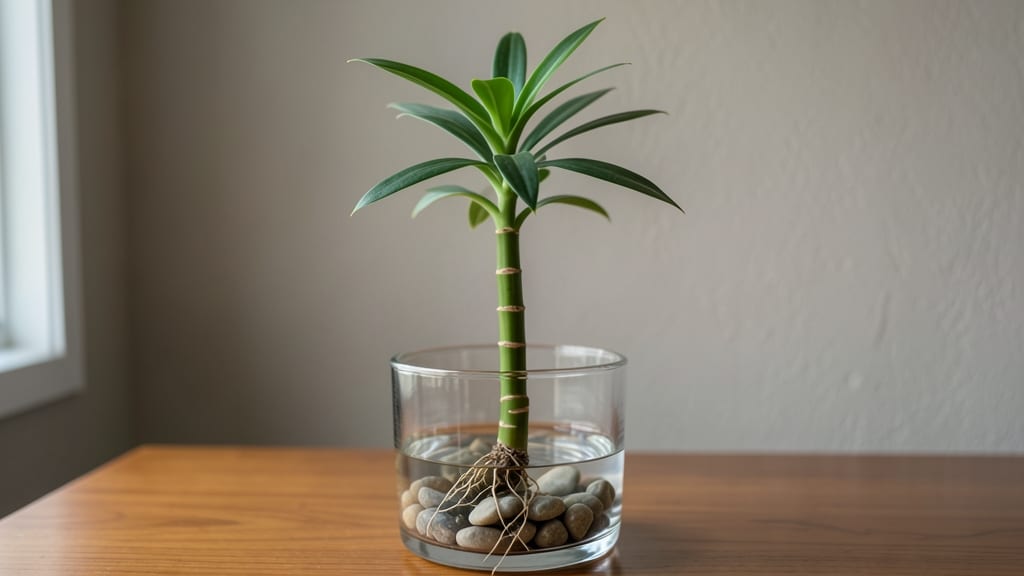
If you love the sleek, vertical elegance of the plant that looks like bamboo with leaves—but want actual foliage—not just hollow stems—Dracaena sanderiana (aka lucky bamboo) is your answer. 🌿 This tropical stunner thrives indoors or out in warm climates, offering lush, arching leaves without the invasive spread of real bamboo.
I’ve grown it for years, and it’s the perfect low-maintenance statement piece for modern gardens or office spaces.
The real magic? It doesn’t need soil—just water and bright, indirect light. Its slender, cane-like stems (often striped or solid green) grow 12–24 inches tall, making it ideal for containers, hanging baskets, or even as a striking table centerpiece.
Unlike true bamboo, it won’t take over your yard, so you get the look without the headache of containment.
What you’ll love most is how effortlessly it thrives. A few minutes of care weekly keeps it vibrant, and it even purifies the air. Pair it with trailing ferns or ornamental grasses for a Zen-inspired garden corner that feels both polished and alive.
The best part? It’s adaptable—grow it in water or soil, indoors or out (if your winters are mild).
For gardeners who crave bamboo’s drama but want foliage and simplicity, this is the plant that delivers. Whether you’re styling a minimalist patio or brightening up a dim corner, it’s the easy, elegant alternative you didn’t know you needed. Let’s dive into how to make it shine in your space!
Why Your Plant Resembles Bamboo
If your Dracaena sanderiana (often called "lucky bamboo" or "lucky cane") is sprouting leaves and mimicking bamboo’s appearance, it’s likely due to a mix of biological quirks and environmental cues.
While it’s not a true bamboo, its leafy growth is a fascinating response to its care—and sometimes, a sign it’s thriving in unexpected ways. Let’s break down the science behind why this happens.
Your plant’s bamboo-like appearance isn’t an accident—it’s in its DNA. Dracaena sanderiana belongs to the Dracaena genus, which naturally produces slender, segmented stems and broad leaves. However, its resemblance to bamboo is purely superficial.
Unlike true bamboo (family Poaceae), which is a grass, this plant is a monocot with a clumping growth habit when stressed or stimulated.
Here’s the key detail: Dracaena sanderiana is not a true bamboo, but its stems can branch and elongate under certain conditions, creating a layered, bamboo-esque silhouette. This happens because:
- Node activation: Each segment (or "node") along the stem can sprout new shoots if given the right conditions—like light or humidity.
- Apical dominance release: If the plant’s main growing tip (the apical bud) is damaged or removed, side shoots (called axillary buds) wake up and grow, thickening the stem.
- Hybrid vigor: Some cultivated varieties are bred to mimic bamboo’s structure, with wider stems and more pronounced leaf clusters.
💡 Pro Tip: If you want to encourage this look, prune the top of the stem just above a node. This tricks the plant into sending out multiple side shoots, creating a fuller, bamboo-like appearance.
Leaves are a plant’s way of maximizing photosynthesis, and your Dracaena sanderiana will produce more foliage when it detects optimal light conditions. However, too much or too little light can backfire:
| Light Condition | Effect on Leaves | Solution |
|---|---|---|
| Low light (e.g., dim office) | Stems elongate (etiolation), leaves grow sparse or yellow. | Move to bright, indirect light (e.g., near an east-facing window). |
| Direct sunlight | Leaves scorch (brown tips), growth stalls. | Use sheer curtains to diffuse light or place 3–5 feet from a south/west window. |
| Moderate, indirect light | ✅ Healthy leaf production: Broad, glossy leaves with vibrant green stripes. | Ideal for most homes—rotate the pot occasionally for even growth. |
Why does this happen? Plants use phytochrome pigments to sense light. In low light, they stretch toward any available source (etiolation), while in bright but indirect light, they prioritize leaf development to capture more energy.
Water isn’t just about hydration—it’s a growth signal. Overwatering or underwatering can drastically alter your plant’s leafy output:
- Overwatering:
- Leads to root rot, which starves the plant of oxygen.
- Forces it to drop leaves as a survival tactic (leaf abscission).
- Result: Sparse, weak growth with fewer leaves.
- Underwatering:
- Triggers water stress, causing leaves to curl or crisp.
- Slows metabolism, so new leaves grow smaller or not at all.
- Perfect balance:
- Keep soil evenly moist (not soggy).
- Use well-draining soil (e.g., peat + perlite mix).
- Mist leaves or use a pebble tray to boost humidity (ideal: 40–60%).
Humidity matters because Dracaena sanderiana is native to tropical regions, where air moisture is high. Low humidity causes leaf edges to brown and growth to slow. Think of it like a desert survival mode—the plant conserves water by reducing leaf surface area.
Your plant’s leaf production is directly tied to its nutrient intake. Too much or too little of certain elements can turn your bamboo-lookalike into a leafy mess—or a bare stalk.
| Nutrient Issue | Leaf Effect | Fix It With |
|---|---|---|
| Nitrogen deficiency | Pale, yellow leaves; stunted growth. | Use a balanced fertilizer (e.g., 10-10-10) every 4–6 weeks in spring/summer. |
| Phosphorus deficiency | Dark green leaves, but fewer new leaves. | Switch to a phosphorus-rich fertilizer (e.g., 5-10-5) to boost root and shoot growth. |
| Potassium deficiency | Weak stems, leaf edges turn brown. | Add banana peel tea or a potassium supplement. |
| Over-fertilizing | Burnt leaf tips, leaf drop. | Flush soil with water to leach excess salts. |
Nitrogen is the leafy growth king—it’s the building block of chlorophyll. Without enough, your plant will prioritize stem growth over foliage. But too much nitrogen can lead to soft, weak stems that flop over.
If your Dracaena sanderiana has bare stems but you want a bushier, bamboo-like look, pruning is the answer. Here’s how it works:
- Topping: Cut the main stem just above a node (where leaves grow). This removes the apical bud, signaling side buds to wake up and grow.
Quick Fixes for Common Care Issues
If your Dracaena Sanderiana (that stunning plant resembling bamboo with leaves) isn’t thriving, don’t panic! Most problems have simple, actionable solutions. Below, we’ve mapped common issues to easy fixes—plus prevention tips to keep your plant happy long-term.
Cause: Too much or too little water stress. Fix:
- Check the soil: Stick your finger 1–2 inches deep. If damp, hold off on watering. If dry, it’s time to hydrate.
- Adjust your watering schedule: Water only when the top 1–2 inches of soil feel dry. In winter, reduce watering by half.
- Drainage is key: Ensure your pot has holes, and use a well-draining mix (cactus/succulent soil works well).
💡 Pro Tip: Yellow leaves at the bottom? Likely overwatering. Brown, crispy tips? Underwatering or low humidity.
Cause: Stretching toward light (etiolation) due to insufficient brightness. Fix:
- Move it closer to a window: Aim for bright, indirect light (east or north-facing is ideal).
- Rotate the pot weekly: Ensures even growth and prevents lopsided stems.
- Supplement with grow lights: If natural light is limited, a simple LED grow light (12–14 hours/day) can help.
✨ Bonus: If leggy growth persists, prune the top 2–3 inches to encourage bushier regrowth.
Cause: Sudden temperature swings, cold drafts, or AC vents. Fix:
- Keep it cozy: Ideal temps are 65–80°F (18–27°C). Avoid placing near doors, windows, or heaters.
- Avoid cold drafts: Keep away from AC units, fans, or open windows in winter.
- Mist occasionally: Low humidity can stress the plant. A quick misting or a pebble tray with water helps.
🌡️ Warning: If leaves turn black or mushy, it’s a sign of root rot—stop watering immediately and repot in fresh soil.
Cause: Tiny pests sucking sap, causing sticky residue or webbing. Fix:
- Isolate the plant: Prevent pests from spreading to other houseplants.
- Wipe leaves with neem oil: Mix 1 tsp neem oil + 1 tsp mild soap + 1 quart water, spray, and repeat weekly.
- Blast off pests: Use a strong stream of water to dislodge mites or bugs.
- Introduce beneficial insects: Ladybugs or lacewings can help control pests naturally.
🎯 Prevention: Inspect new plants before bringing them home and quarantine for 2 weeks.
Cause: Lack of fertilizer or poor soil quality. Fix:
- Fertilize lightly: Use a balanced liquid fertilizer (10-10-10) every 4–6 weeks in spring/summer. Skip in fall/winter.
- Repot every 2–3 years: Refresh the soil to replenish nutrients. Choose a pot just 1–2 inches larger than the current one.
- Boost with compost: Mix in a little worm castings or compost for a nutrient boost.
💪 Pro Tip: Yellow leaves with green veins? It’s likely a magnesium deficiency—try a foliar spray with Epsom salt (1 tsp per gallon of water).
Cause: Waterlogged soil leading to fungal infections. Fix:
- Remove the plant gently and trim away mushy, black roots with sterilized scissors.
- Repot in fresh, dry soil with perlite or orchid bark for better drainage.
- Hold off on watering for 1–2 weeks to let roots recover.
🔥 Emergency Tip: If most roots are rotten, propagate healthy stems in water to regrow a new plant!
Final Thought: Most issues with Dracaena Sanderiana stem from over/under-care—adjust slowly, and your plant will bounce back! With the right light, water, and a little TLC, it’ll reward you with lush, bamboo-like foliage for years. 🌿✨
Frequently asked questions
What's the difference between Dracaena sanderiana and real bamboo?
Dracaena sanderiana (lucky bamboo) isn't true bamboo—it's a tropical plant with broad leaves that just mimics bamboo's segmented stems. Real bamboo is a grass (family Poaceae) with hollow stems and no leaves, while this plant produces lush foliage. The key difference? True bamboo spreads aggressively, while this variety stays contained and thrives indoors.
Can I grow this plant in water instead of soil?
This plant thrives in water, making it perfect for hydroponic setups. Just use room-temperature tap water and change it every 2-4 weeks. Add a small piece of activated charcoal to keep the water fresh and prevent algae. For best results, place it in bright, indirect light—it won't need soil or fertilizer.
How do I encourage bushier, bamboo-like growth?
Prune the top of the main stem just above a node (leaf growth point) to trigger side shoots. This removes apical dominance, causing dormant buds to wake up. For a fuller look, trim multiple stems and propagate the cuttings in water. Rotate the plant occasionally to ensure even light exposure, which helps create that lush, layered appearance.
Why are my plant's leaves turning brown at the tips?
Brown leaf tips usually mean low humidity or fluoride sensitivity from tap water. Try these fixes:
- Mist leaves daily or place the pot on a pebble tray with water,
- Use distilled or rainwater instead of tap water, or
- Move to a more humid location (like a bathroom). Avoid letting the soil dry out completely—consistent moisture helps prevent this issue.
Is this plant safe for pets?
Unfortunately, no—this plant is toxic to cats and dogs if ingested. The sap contains saponins that can cause vomiting, drooling, or diarrhea. Keep it out of reach of pets, and consider placing it in a hanging basket or high shelf. For pet owners, opt for pet-safe alternatives like spider plants or Boston ferns instead.