
Planting
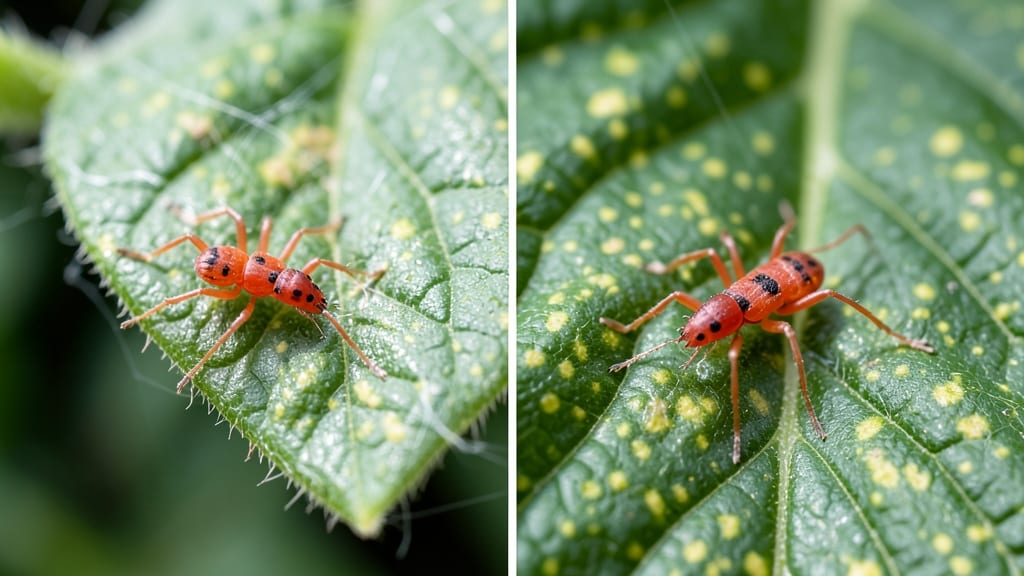
Red plant mites turn your thriving garden into a skeleton of yellowed leaves and fine webbing. 🌿 I’ve battled these tiny red pests on roses, citrus, and even my veggies—and I’ve learned the organic methods that actually work without poisoning your soil or beneficial insects.
The first sign? Tiny red dots moving across leaves or silvery webbing in leaf crevices. These mites thrive in dry, dusty conditions, so proper watering (deep, infrequent soaks) and airflow (prune crowded plants) are your first line of defense.
Neem oil and insecticidal soap spray work fast, but timing matters—apply when mites are active (early morning or late evening). You’ll see improvement within a week of consistent treatment, with leaves regaining their vibrant green and new growth staying mite-free.
The key is persistence—mites reproduce quickly, so check plants weekly until you’re sure they’re gone. Works for lawns, gardens, and container plants alike. Here’s how to tackle them without harsh chemicals.
The Hidden Triggers Behind Tiny Invaders
Red spider mites—those microscopic, eight-legged troublemakers—don’t just appear out of nowhere. They thrive when specific conditions align, turning your lush lawn or prized plants into a buffet. Understanding why these pests show up is the first step in stopping them before they spin their webs of destruction.
Let’s break down the real culprits behind their infestations.
Red spider mites are drought-loving pests. When temperatures soar above 85°F (29°C) and humidity drops below 40%, these mites go into overdrive. Here’s why:
- Accelerated reproduction: Heat speeds up their life cycle—females can lay 200 eggs in just 30 days under ideal conditions.
- Thinner plant defenses: Dry air causes plant cells to lose moisture, making leaves drier and more brittle, which mites love to pierce with their stylets.
- Slower predator activity: Natural enemies like ladybugs and predatory mites become sluggish in heat, giving spider mites free rein.
Actionable fix: Increase humidity with mulch or overhead misting (early morning to avoid fungal issues). Drought-stressed plants are magnets for infestations.
Plants under stress—whether from nutrient deficiencies, root damage, or poor drainage—emit chemical signals that attract spider mites. Think of it like a distress flare for pests:
- Weakened sap flow: Stressed plants produce less sugar-rich sap, but their thinner cell walls make it easier for mites to feed.
- Hormonal changes: Damaged plants release volatile organic compounds (VOCs), which spider mites use to locate weak hosts from miles away (yes, really).
- Compacted roots: Poor soil aeration forces plants to compete for water, creating hotspots where mites cluster.
Actionable fix: Test soil pH and amend with compost or organic matter. Prune overcrowded foliage to improve air circulation—mites hate airflow.
Ironically, broad-spectrum pesticides (like synthetic pyrethroids) can trigger spider mite outbreaks. Here’s how:
- Killing beneficial insects: Pesticides wipe out predatory mites, lacewings, and spiders, removing the mites’ natural checks and balances.
- Stimulating reproduction: Some chemicals disrupt plant hormones, making leaves stickier and more nutritious to mites.
- Resistance buildup: Frequent pesticide use selects for resistant strains of spider mites, making them harder to control.
Actionable fix: Switch to targeted organic sprays (e.g., neem oil, horticultural oil) and introduce beneficial insects like Phytoseiulus persimilis (a mite-eating mite).
Spider mites hitchhike on new plants, soil, or even gardening tools. Their tiny eggs can survive for months in dormant states, waiting for the perfect host:
- Nursery-bought plants: 20–30% of ornamental plants sold in stores carry spider mite eggs.
- Shared tools: Pruners, gloves, or pots contaminated with mites spread infestations across your garden.
- Wind and water: Mites can drift on breezes or hitch rides in irrigation water to nearby plants.
Actionable fix: Quarantine new plants for 2 weeks, inspect under leaves with a magnifying glass, and sterilize tools with rubbing alcohol between uses.
Pro Tip: 💡 Monitor high-risk zones—like roses, hibiscus, and citrus plants—weekly with a blue sticky trap. Spider mites are reddish-brown, but their webbing is a dead giveaway!
Quick Fixes for Tiny Plant Invaders
Got a case of the red plant mites? Don’t panic—these pesky pests might be small, but they’re beatable with the right approach. The key is acting fast, using targeted methods, and keeping your plants healthy enough to fight back.
Below, we’ll break down the most effective solutions based on the root cause of your infestation, from natural sprays to cultural fixes that keep mites from returning.
If you’ve spotted just a few mites or webbing, you’re in the sweet spot for quick action.
🍳 Spray Down with Soap & Water Red mites hate soap—literally.
A simple homemade miticide can knock them out fast. - Mix 1 tablespoon of mild liquid soap (like Castile soap) with 1 quart of water. - Add 1 teaspoon of horticultural oil (like neem oil) for extra stickiness. - Spray directly on the undersides of leaves (where mites hide) until damp. - Repeat every 5–7 days until mites disappear. - Pro Tip: 💡 Test on a small leaf first—some plants (like citrus) are sensitive to soap.
👨🍳 Introduce Beneficial Predators
Nature’s cleanup crew is already on the job—just give them a hand! - Ladybugs and lacewings devour red mites like snacks.
Buy them online or attract them with dill, fennel, or marigolds. - Predatory mites (like Phytoseiulus persimilis) are microscopic hunters—sprinkle them on infested plants at dusk. - Bonus: 🌡️ Keep your garden humid (50–70% humidity) to slow mite reproduction.
If your plants are covered in webbing or leaves are curling, it’s time for a two-pronged attack.
🔪 Neem Oil Deep Cleanse
Neem oil doesn’t just mask mites—it smothers and disrupts their life cycle.
- Mix 1 tablespoon neem oil + 1 teaspoon dish soap + 1 quart water.
- Spray thoroughly, covering all leaf surfaces (especially undersides).
- Apply at sunset to avoid burning plants in sunlight.
- Repeat every 3–5 days for 2–3 weeks.
- Warning: 🎯 Avoid spraying in direct sun—it can cause leaf scorch.
⏰ Prune & Isolate Damaged Plants
Sometimes, the best fix is cutting losses.
- Trim heavily infested leaves and dispose of them in a sealed bag (not compost).
- Isolate affected plants for 2 weeks to prevent spread.
- Clean tools with rubbing alcohol between cuts.
The best defense? A mite-proof garden. Follow these habits to stay ahead:
- 💡 Water Wisely: Mites hate humidity. Water deeply in the morning to encourage strong growth and deter infestations.
- 🌿 Mulch Like a Pro: A 2–3 inch layer of organic mulch (straw, wood chips) keeps soil moist and discourages mites.
- ✨ Companion Planting: Surround susceptible plants (like roses or tomatoes) with garlic, chives, or basil—mites avoid these scents.
- 🔍 Inspect Regularly: Check new plants and garden tools for hitchhiking mites before bringing them inside.
- 🍂 Fall Cleanup: Rake up fallen leaves and debris—mites overwinter in these spots!
Remember: Patience is key. Some treatments take 2–3 weeks to fully work, but consistency beats desperation. With these methods, your lawn will be mite-free and thriving in no time!
Frequently asked questions
What do red plant mites look like up close?
Red plant mites are tiny—about 0.5mm long—with eight legs and a bright red or orange-red body. Use a magnifying glass or hand lens to spot their fine webbing on leaf undersides or between leaf veins. Their eggs appear as yellow specks clustered together.
How often should I spray neem oil for red mites?
Spray neem oil every 3–5 days for 2–3 weeks to break their life cycle. Always apply at sunset to prevent leaf burn. For severe infestations, combine with horticultural oil and repeat until you see new growth without webbing.
Can red mites survive winter in my garden?
Yes! Red mites overwinter as eggs in plant debris, bark, or soil. They become active again when temperatures rise above 55°F (13°C). Rake up fallen leaves and mulch in autumn to starve them out before spring.
Why do my houseplants keep getting red mites?
Indoor environments—especially with low humidity (below 40%) and warm air from heating—create perfect conditions. Boost humidity with a pebble tray, mist leaves lightly, and avoid over-fertilizing (which stresses plants). Keep new plants quarantined for 2 weeks.
Will red mites kill my plants?
While they won’t kill healthy plants outright, severe infestations can stunt growth and cause leaf drop. The real danger is secondary infections from damaged leaves. Act fast with soap sprays or predatory mites to prevent long-term harm.