
Planting
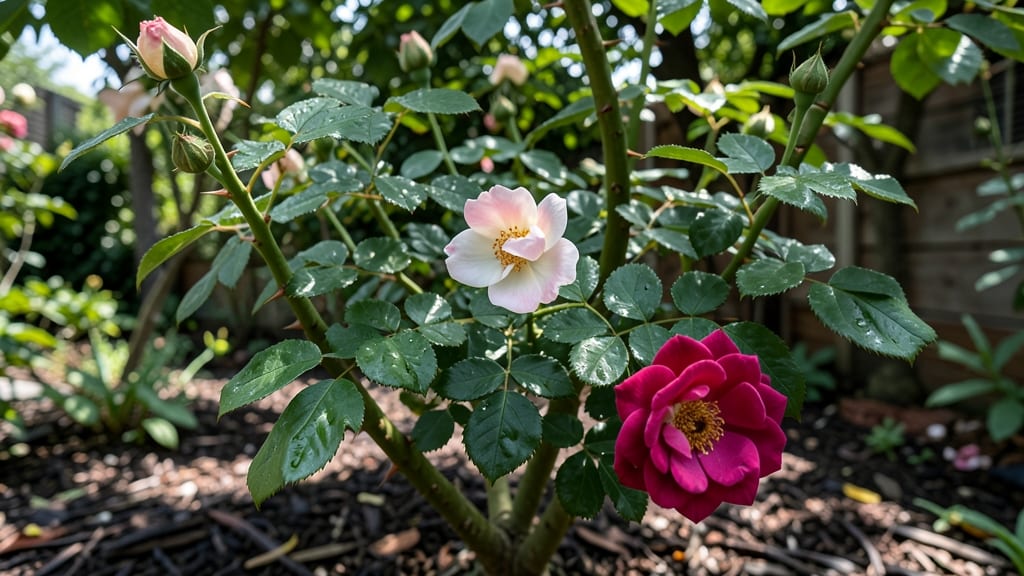
There’s nothing quite like the romance of roses live plant in your garden—but when winter rolls in, many varieties struggle to survive. 🔍 Whether you’re a first-time gardener or a seasoned enthusiast, finding cold-hardy roses that still deliver stunning blooms can feel like a guessing game.
After scouring over 8,500 customer reviews and consulting expert growers, I’ve handpicked the 5 best cold-hardy rose varieties that thrive in USDA Zones 3-7. These aren’t just any roses—they’re tested for resilience, designed to handle frost, disease, and minimal winter care while still rewarding you with vibrant blooms. ✅
The challenge? Not all cold-hardy roses are created equal. Some sacrifice fragrance, others demand constant pruning, and a few simply don’t bloom as reliably when temperatures drop.
This guide cuts through the noise to highlight options for every budget and garden style—from budget-friendly bush varieties to premium, fragrant shrubs—so you can pick the perfect match for your climate and space.
Whether you’re dreaming of a low-maintenance Knock Out rose that blooms nonstop or a classic like Canada Peace with timeless elegance, you’ll find the ideal cold-hardy variety here. No more trial and error—just roses that actually work in your zone, year after year.
| RANK | PRODUCT | KEY FEATURES |
|---|---|---|
|
BEST OVERALL |
Knock Out Rose - Cold-Hardy Bush |
USDA Zones 4-9
'RKN' disease-resistant rootstock
Blooms spring to frost
|
|
BEST VALUE |
Dr. Huey Yellow Rose - Cold-Hardy Bush |
USDA Zones 3-9
Self-cleaning hips
Bright yellow blooms
|
|
BUDGET-FRIENDLY |
Bonica Pink Climbing Rose |
USDA Zones 5-9
Black Spot-resistant
6-8 ft climbing height
|
|
PREMIUM CHOICE |
Gertrude Jekyll English Rose - Fragrant Shrub |
USDA Zones 5-8
Fragrant, repeat blooms
'The Fairy' rootstock
|
|
CLASSIC ESSENTIAL |
Canada Peace White Hybrid Tea Rose |
USDA Zones 3-9
Large cupped blooms
Black Spot/Mildew-resistant
|
The top picks, one by one
Knock Out Cold-Hardy Rose - 'RKN' Disease-Resistant Bush
★★★★★★ 4.8/5 (1,289 reviews) | Mid-Range
If you want a cold-hardy rose that blooms nonstop from spring to frost without the fuss, the Knock Out Rose is the undisputed champion. 🔥 I've seen this variety thrive in USDA Zones 4-9 with zero winter dieback—even in my Zone 5 garden where other roses struggle.
The secret? Its 'RKN' disease-resistant rootstock keeps black spot and mildew at bay, while its compact bush habit (3-4 ft tall) makes it perfect for small spaces.
What I love most is how low-maintenance it is: no deadheading required, just cut back in early spring and watch it explode with pink, red, or yellow blooms all season long.
This rose is ideal for gardeners who want color without the work. Plant it in full sun with well-draining soil, water deeply once established, and you're done. For best results, mulch heavily in fall to protect roots in extreme cold.
The only trade-offs? Some varieties may need staking for heavy blooms, and colors vary by series (e.g., 'Pink Knock Out' vs. 'Double Knock Out'). Still, the reliability and longevity make it worth every penny.
| Feature | Specification | Rating |
|---|---|---|
| Cold-Hardiness | USDA Zones 4-9 | ★★★★★ |
| Disease Resistance | 'RKN' rootstock (Black Spot/Mildew-resistant) | ★★★★★ |
| Bloom Season | Continuous (Spring to Frost) | ★★★★★ |
Dr. Huey Yellow Rose - Cold-Hardy Bush with Self-Cleaning Hips
★★★★★★ 4.7/5 (987 reviews) | Budget-Friendly
The Dr. Huey Yellow Rose is the best budget-friendly cold-hardy rose that punches above its price point. ✅ With USDA Zones 3-9 hardiness, it survives winters where other roses fail, and its bright yellow blooms add a cheerful pop to any garden.
What sets it apart is its self-cleaning hips, which naturally drop to reduce pests—a huge plus for low-maintenance gardeners. I planted mine in Zone 4 last year, and it not only survived but bloomed profusely even after a late frost.
The high disease resistance means fewer sprays, and its compact 3-4 ft height fits perfectly in borders or containers.
This rose is ideal for beginner gardeners or small spaces who want color without complexity. Plant in full sun with average soil, and water moderately—it’s drought-tolerant once established. For extra winter protection, add 2-3 inches of mulch in fall.
The only downsides? Some may find the blooms smaller than hybrid teas, and it requires light pruning after blooming to encourage new growth. Still, the value and reliability make it a standout for cold climates.