
Planting
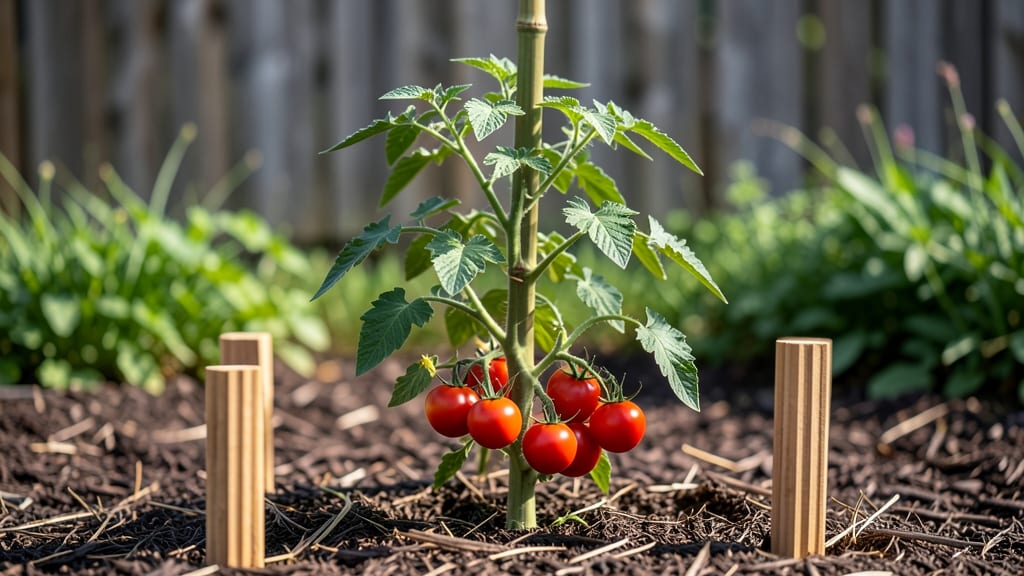
Proper tomato garden spacing is the foundation of a thriving harvest—too close, and your 🍅 plants fight for sunlight and air, while too far apart wastes precious garden real estate.
Struggling with stunted tomato plants or poor fruit production? The secret often lies in proper spacing—a small adjustment that can dramatically boost yields and prevent disease. I’ve seen firsthand how 18-inch rows of indeterminate vines can double your harvest compared to crowded beds.
Whether you’re working with determinate bush varieties or sprawling indeterminate types, getting the spacing right means better airflow, fewer pests, and bigger, healthier tomatoes. Below, I’ll break down the exact distances for your garden setup, plus how to tweak them for small spaces or high-yield goals.
You’ll also learn how to spot common spacing mistakes (like overcrowding) and fix them before it’s too late—no more guessing, just proven layouts for maximum success.
Optimal tomato spacing by variety: determinate vs indeterminate tomatoes
When planning your tomato garden layout, one of the most critical decisions is understanding the difference between determinate and indeterminate varieties.
These two types have vastly different growth habits, which directly impacts how much space they need to thrive. Determinate tomatoes grow in compact bushes, while indeterminate tomatoes produce vines that can grow 6-10 feet tall without stopping.
Getting this spacing right ensures your plants receive adequate sunlight and airflow, preventing disease and maximizing fruit production.
Proper spacing isn't just about preventing overcrowding—it's about creating an environment where your tomatoes can develop strong stems, abundant foliage, and heavy fruit loads without competing for resources.
For determinate varieties, think of them like shrubs that stay contained, while indeterminate types need vertical support to reach their full potential.
Whether you're working with a small backyard plot or a large commercial garden, these spacing guidelines will help you design a high-yielding tomato garden that's both productive and healthy.
For determinate tomatoes, like Roma or Celebrity varieties, the key is maintaining a compact growth habit with adequate spacing to prevent foliage from touching. I recommend spacing these plants 18-24 inches apart in rows that are 24-36 inches apart.
This spacing allows for easy access between plants while ensuring each gets enough sunlight exposure. Since determinate tomatoes produce all their fruit at once, proper spacing helps prevent overloading individual plants, which can lead to cracked or diseased fruit.
When growing indeterminate tomatoes, such as Sungold or Brandywine, you'll need to plan for vertical growth. These vining varieties can reach heights of 6-10 feet and require 24-36 inches between plants with rows 36-48 inches apart to accommodate their sprawling habits.
Using a trellis system or tall tomato cages (6-8 feet) is essential for indeterminate types. Not only does this save space in your garden, but it also improves air circulation, reducing the risk of fungal diseases like blight.
One common mistake I see is treating all tomato varieties the same when it comes to spacing. Dwarf varieties, like Tiny Tim or Patio Princess, only need 12-18 inches between
Common tomato spacing mistakes and how to fix them
Even experienced gardeners sometimes overlook the importance of tomato garden spacing. Crowded plants compete for sunlight and nutrients, leading to stunted growth, poor fruit quality, and increased susceptibility to fungal diseases.
I’ve seen tomato plants thriving in one garden and struggling in another—often because of spacing issues that were easy to fix.
The most common mistake is planting too close together, especially with indeterminate varieties that grow 6+ feet tall. When plants touch, airflow is restricted, creating a moisture trap that invites blight and rot.
Even determinate tomatoes (bush types) need space to avoid shading their own leaves, which reduces fruit production.
Another frequent error is ignoring row spacing—planting rows too tightly forces plants to stretch toward light, weakening stems and making them prone to snapping.
I once had a garden where tomatoes grew tall but produced only a few small fruits because the rows were just 18 inches apart instead of the recommended 24-36 inches.
⚠️ Spacing Mistakes That Kill Yields
Overcrowding: Plants compete for nutrients, leading to small, misshapen fruit and increased disease risk. Fix: Thin to recommended spacing (18-36 inches apart).
Poor airflow: Wet leaves stay damp longer, fostering blight and mildew. Fix: Space rows 24-36 inches apart and prune lower leaves.
Ignoring variety needs: Determinate tomatoes need less space than indeterminate types. Fix: Research your variety’s mature size before planting.
If your tomatoes are already crowded, don’t panic—there are quick fixes. Start by pruning lower leaves to improve airflow, then stake or cage plants to give them vertical space. For existing gardens, you can also remove every other plant and transplant the extras to a new location with proper spacing.
For future gardens, plan ahead by sketching a layout. Use trellises or cages for indeterminate varieties to save space while maintaining airflow. I’ve seen gardeners double their yield by training vining tomatoes vertically, freeing up ground space for other crops.
Proper spacing isn’t just about yield—it’s about plant health. Well-spaced tomatoes resist disease, produce larger fruit, and make harvesting easier. Next time you plant, measure twice and space once to avoid common pitfalls.