
Planting
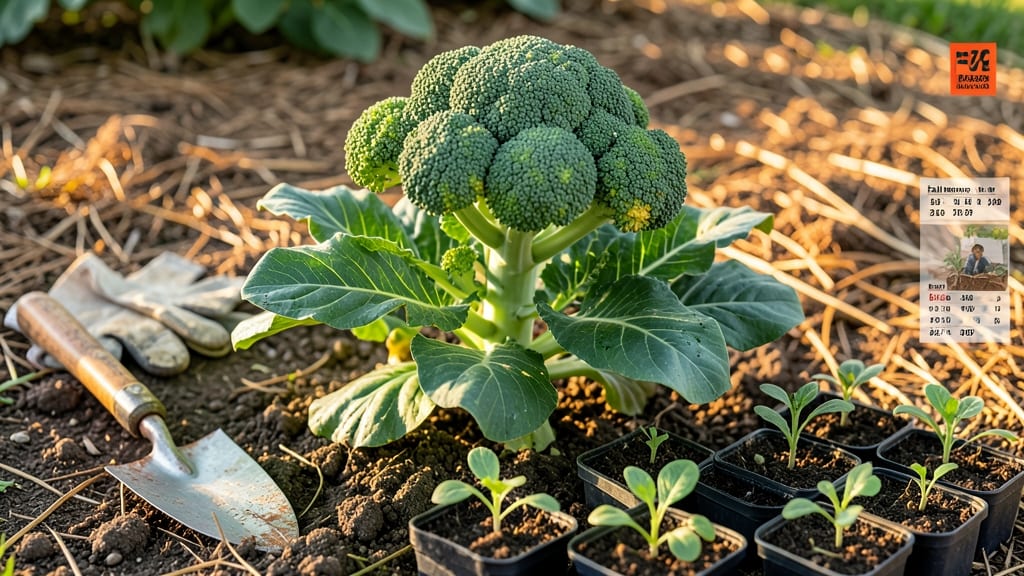
Planting your fall garden in Mississippi between late July and early September is the key to a harvest that lasts through December—if you nail the timing.
Here’s the catch: Skip the window, and you’re either fighting heat stress or racing against frost. Too early, and your greens bolt before they mature; too late, and a surprise freeze wipes out your broccoli before it even sets buds.
The difference between a bountiful fall garden and a frustrating one often comes down to knowing your zone’s exact frost dates and heat thresholds.
Mississippi’s 8a-9a zones give you a longer growing season than most northern states, but that doesn’t mean you can wait until October to plant. In fact, some of your best fall crops—like kale, spinach, and carrots—need 6-8 weeks of warm soil to establish roots before temperatures dip.
That means your planting clock starts ticking in July, not September.
Below, I break down the precise planting windows for North, Central, and South Mississippi, plus the top 10 crops that thrive in our fall climate.
You’ll also learn how to stretch your harvest into December with row covers and succession planting—so you’re not left with empty beds when the weather turns cold.
Mississippi fall planting dates by USDA Zone (with frost risk alerts)
Mississippi’s three USDA zones—7a (North), 7b (Central), and 8a (South)—create distinct fall planting windows. The key is planting 4-6 weeks before your first frost, which typically arrives between mid-November and early December.
In Zone 7a, your window closes earlier due to colder nights, while Zone 8a gardeners enjoy a longer season. Understanding these differences helps you avoid heat stress in early plantings or frost damage in late ones.
For all zones, soil temperatures must drop below 80°F for cool-season crops to thrive. Use a soil thermometer to monitor—ideal temps for fall planting range between 60-70°F.
In Mississippi’s humid climate, late July to early September is your sweet spot for transplanting seedlings like broccoli and kale, while direct-sown crops like spinach and radishes can wait until mid-August. Miss timing, and you’ll either battle bolting greens or watch tender plants wilt overnight.
Mississippi Fall Planting Schedule by Zone
| Zone | Last Frost | Plant Transplants | Direct Sow | Frost Risk |
|---|---|---|---|---|
| 7a (North) | Nov 15 | Aug 15–Sep 1 | Aug 20–Sep 15 | High after Oct 15 |
| 7b (Central) | Nov 22 | Aug 20–Sep 10 | Aug 25–Sep 20 | Moderate after Oct 20 |
| 8a (South) | Dec 1 | Aug 25–Sep 15 | Sep 1–Sep 25 | Low until Nov 5 |
In Zone 7a, where nights dip below 40°F earlier, prioritize fast-maturing crops like bush beans (50 days) and turnips (45 days). Start seeds indoors in late July to transplant by mid-August, giving them 6-8 weeks to establish before frost.
For Zone 8a, you can push the envelope with cabbage (90 days) or carrots (70 days), but plant no later than mid-September to avoid black rot from lingering humidity. Always check your local Mississippi State University Extension updates for microclimate adjustments.
Heat tolerance varies wildly among crops. For example, lettuce bolts at 85°F, while kale thrives until 90°F. To extend your window, use shade cloth (30-50%) during late August heatwaves.
I’ve had success with row covers for spinach planted in early September—they trap warmth during the day and insulate against frost at night. Just remember to remove covers during harvest time to prevent overheating.
Mississippi’s first frost isn’t just a date—it’s a moving target. In 2022, Zone 7a saw frost as early as October 28, while Zone 8a held off until November 12. Use a frost calendar (like Almanac’s) and add 7-10 days of buffer time.
For hardy crops like garlic or onions, plant in October and let them overwinter—they’ll reward you with early spring harvests.
Soil prep is non-negotiable in Mississippi’s clay-heavy soils. Before planting, amend with 2-3 inches of compost to improve drainage and add aged manure for nitrogen. Test your soil’s pH (6.0-7.0 ideal)—fall gardens often need a lime boost after summer’s acidity.
I’ve seen broccoli yields double when planted in well-aerated soil with mycorrhizal fungi. Mulch with <
Best fall crops for Mississippi’s climate (and how to extend their season)
Mississippi’s fall garden thrives when you pick the right cold-hardy crops that tolerate lingering summer heat while surviving early frosts. The key is selecting varieties that mature quickly—like spinach and kale—before temperatures dip below 28°F.
These top 10 crops balance heat tolerance and frost resistance, ensuring a bountiful harvest from October through December.
For maximum success, I focus on succession planting and protective measures like row covers or cold frames to extend the season. Even in Mississippi’s USDA Zones 7b-8a, with the right strategies, you can harvest well into winter. Let’s dive into the best performers and how to keep them producing.
To extend the season, I swear by floating row covers (like Agribon) for leafy greens and cold framesg> for broccoli and kale. These simple tools can add 2-4 weeks of harvest time.
For example, my spinach under row covers stayed crisp until December 1st—a full month past the average first frost!
Don’t overlook succession planting for crops like radishes and lettuce. Sow new seeds every 2 weeks from August through September to ensure a steady supply. I’ve even planted turnips in early September and harvested their greens before the roots froze—double the yield!
For root vegetables like beets and carrots, focus on varieties labeled "winter-hardy". These tolerate 25°F+ temps and can stay in the ground until January if mulched heavily. My Detroit Dark Red beets lasted until January 10th with just 6 inches of straw mulch.
Pro tip: Monitor your garden’s microclimates. South-facing beds warm up faster and are ideal for heat-sensitive crops like lettuce in early fall. Meanwhile, north-facing areas stay cooler—perfect for kale and spinach as temperatures drop. Adjust planting dates by 1-2 weeks based on your yard’s sun exposure.