
Planting
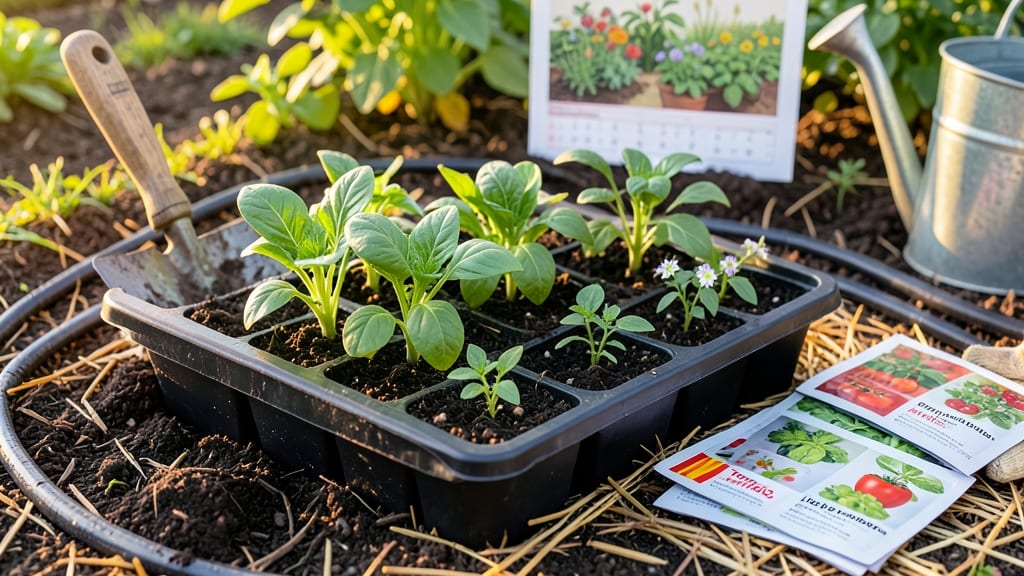
To plant in 6b zone, timing is everything—miss the window by even a week, and frost can turn your tender seedlings into sad, wilted memories.
Picture this: you’ve spent weeks nurturing your seedlings indoors, only to rush them outside too soon. A late frost hits, and suddenly, your hard-earned garden dreams are left in a crumpled heap of brown leaves.
That’s why knowing the exact frost dates for your area isn’t just helpful—it’s the difference between a bumper crop and a bust.
In USDA Zone 6b, where last frosts linger around April 15–May 15 and first frosts sneak in by October 1–15, the right planting schedule keeps your garden thriving.
Whether you’re sowing cool-season greens in early spring or warm-season tomatoes in late May, this guide breaks down the perfect windows for every crop—plus how to adjust for microclimates, soil temps, and even those sneaky late frosts.
By the end, you’ll know exactly when to plant each type of crop, avoid common mistakes, and stretch your harvest season longer than ever. Let’s get those seeds in the ground at the right time—no guesswork, just growth.

6B zone frost-free dates: when to plant cool vs warm-season crops
In USDA Zone 6B, where the last spring frost typically arrives between April 15–May 15 and the first fall frost hits October 1–15, timing your plantings correctly is essential. Cool-season crops like spinach and kale thrive in cooler temperatures, while tomatoes and peppers need warm soil to germinate.
Missing these windows can mean stunted growth or lost harvests—so let’s break down the exact dates for your garden.
For cool-season crops, start planting as early as March for hardy varieties like peas and lettuce, but hold off on heat-sensitive crops until after the last frost. Warm-season crops, on the other hand, should wait until the soil reaches at least 60°F, usually mid-May.
Understanding these transitions helps you plan for succession planting to keep your garden productive all season.
Cool-season crops like spinach and kale can handle light frosts, so I often start them in early March or even late February under row covers. These crops prefer cooler temperatures and can even tolerate a light frost, making them ideal for spring and fall plantings.
For example, peas are one of the first crops I sow, as they germinate well in 45–55°F soil and can be harvested as early as 60 days.
Warm-season crops, however, demand patience. Tomatoes and peppers won’t germinate until the soil warms to at least 60°F, which in Zone 6B usually means waiting until mid-May. I always check soil temperature with a soil thermometer to avoid disappointment—planting too
Best planting schedule for 6B zone: month-by-month guide
Mastering your Zone 6B planting schedule means aligning your garden with nature’s rhythm—spring for cool-season crops and late spring/early summer for warm-season favorites. Urban gardens in cities like Washington, D.C. may experience earlier last frosts (mid-April) than rural areas, where late May is safer.
Adjust for your microclimate by monitoring local frost data and soil temperatures.
Start with indoor sowing in February for slow-growing plants like tomatoes and peppers, then transition to outdoor planting as temperatures rise. Succession planting every 2-3 weeks ensures continuous harvests for crops like lettuce and radishes.
Don’t forget fall planting for hardy crops like garlic and kale—they thrive in cooler weather.
- 🌱 February-March: Start indoors—tomatoes, peppers, onions, and basil.
- 🌱 April: Direct-sow cool-season crops—spinach, peas, carrots—and transplant hardy seedlings (cabbage, broccoli).
- ☀️ May-June: Plant warm-season crops—tomatoes, beans, squash—after last frost (soil 60°F+).
- 🌿 July-August: Succession plant fast growers—radishes, lettuce, bush beans—and start fall crops (kale, turnips) indoors.
- 🍂 September-October: Direct-sow hardy fall crops—spinach, garlic, cover crops—4-6 weeks before first frost.
In Zone 6B, early spring (March) is ideal for cool-season crops like onions and potatoes, while late summer (August) allows for second plantings of radishes and turnips. Use row covers to extend fall harvests for leafy greens like kale and swiss chard until November.
Rural areas may push fall planting slightly later than urban zones due to warmer microclimates.
For container gardening in urban 6B, prioritize compact varieties like bush beans and patio tomatoes. Containers warm up faster, so plant warm-season crops 1-2 weeks earlier than in-ground gardens. Always check soil temperature with a probe—50°F+ for seeds, 60°F+ for transplants—to avoid stunted growth.
Adjust your planting timeline based on local frost records. In Northern Virginia, for example, late April is safer for tomato transplants than early April, while West Virginia’s higher elevations may delay planting by 1-2 weeks.
Keep a garden journal to track your successes and adjustments year over year.
Pro tip: Use mulch in late spring to retain soil moisture and cool roots during heatwaves. For fall planting, focus on hardy crops like garlic and overwintering onions—they’ll reward you with early spring harvests. With this month-by-month schedule, your Zone 6B garden will thrive year-round! 🌱