
Planting
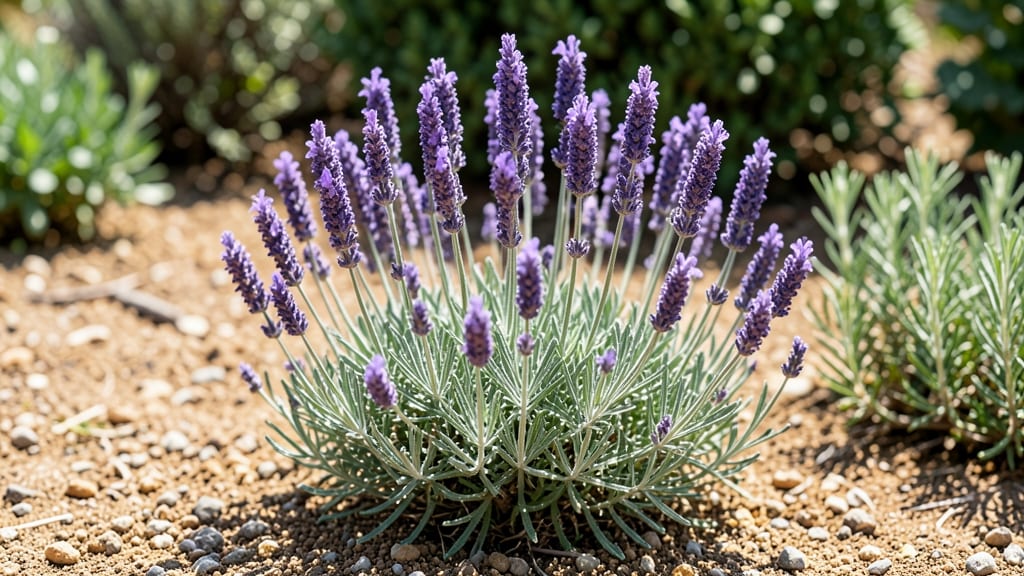
Mastering purple flower plant identification turns a casual stroll into a botanical adventure. 🌿 That lavender-like bloom might be salvia, or those trumpet-shaped flowers could be petunias—both stunning but with very different care needs.
This guide cuts through the confusion with clear visual cues, from leaf shape to bloom structure, so you can name that mystery plant in seconds. The trick is focusing on three key details: flower shape, leaf texture, and growth habit. A fuzzy purple bloom with square stems?
Likely a mint family member. Deep violet clusters with spiky leaves? Probably salvia. I’ve used these same clues to transform my garden from "what is that?" to "look at this beauty I grew!" Once you’ve got the ID, the real fun begins.
Lavender thrives in dry soil and full sun, while petunias beg for regular water and afternoon shade. The right care turns a pretty guess into a thriving plant that keeps blooming all season. No apps or field guides needed at first—just your eyes and this guide.
Master these 20 common purple beauties, and you’ll spot them everywhere, from wild meadows to your neighbor’s yard. Let’s get started!
Behind The Color Shift
If you’ve ever spotted a vibrant purple bloom in the wild and wondered why some plants turn this shade instead of red, blue, or white, the answer lies in a fascinating mix of biology, chemistry, and environmental cues.
Purple isn’t just a random color—it’s a strategic adaptation shaped by evolution, genetics, and even the plant’s survival needs. Below, we break down the key reasons why certain flowers (and sometimes leaves or stems) lean into this regal hue.
Most purple flowers owe their color to two pigments working together: anthocyanins (the same compounds that give blueberries and eggplants their deep hues) and flavonoids.
Anthocyanins alone produce red or blue tones, but when they bond with other flavonoids, they shift toward purple—like mixing red and blue paint. Genetics determine which pigments a plant produces, and some species are hardwired to synthesize these compounds in their petals, leaves, or even roots.
- Actionable tip: If you’re growing purple varieties, check the parent plant’s genetics. Many hybrids (like Salvia nemorosa or Lobelia) inherit purple from one or both parents.
- Pro tip 💡: Some plants, like Heuchera (coral bells), produce purple leaves due to high anthocyanin levels—a trait that can be selected for in cultivation.
Purple isn’t always a default color—it can be a stress response. When plants face intense sunlight, cold temperatures, or nutrient deficiencies, they ramp up anthocyanin production as a protective mechanism.
These pigments act like sunscreen, shielding delicate cells from UV damage, and even help regulate energy flow during harsh conditions.
| Stress Factor | Purple Reaction | Example Plants |
|---|---|---|
| Excess sunlight | Leaves or stems turn purple to block UV rays | Tomato plants, Swiss chard |
| Cold snaps | Anthocyanins accumulate to prevent frost damage | Red cabbage, kale |
| Phosphorus deficiency | Purple veins or stems signal low nutrients | Peppers, beans |
What to do: If your garden plants are turning purple unexpectedly, test soil pH and nutrients. A balanced fertilizer (especially with phosphorus) can often reverse the color shift.
Bright purple flowers aren’t just pretty—they’re evolution’s way of attracting pollinators. Bees, butterflies, and hummingbirds are drawn to ultraviolet (UV) patterns that humans can’t see, and many purple flowers reflect UV light in ways that create invisible "landing guides."
Additionally, purple blooms often stand out against green foliage, making them easier for pollinators to spot from a distance.
- Fun fact: Some purple flowers, like Lavender or Clematis, emit subtle scents that pair with their color to lure specific pollinators.
- Garden hack ✨: Plant purple flowers near white or yellow blooms to create contrast—this can boost pollinator activity in your yard!
The pH of the soil can dramatically alter a plant’s pigment production. Acidic soils (low pH) enhance red/purple hues, while alkaline soils (high pH) push flowers toward blue. This is why the same species might appear purple in one garden and blue in another!
- Test your soil: Use a simple pH kit (available at garden centers) to check levels. Aim for 6.0–7.0 for most flowering plants.
- Adjust with amendments:
- To lower pH (more purple): Add sulfur or pine needles.
- To raise pH (bluer tones): Mix in lime.
Example: Hydrangeas famously change color based on soil pH—purple in acidic conditions, blue in alkaline.
Some plants only reveal their purple side as they age or mature. Young leaves or buds might start green or pale, but as the plant grows, anthocyanins kick in, turning stems, veins, or flowers deep purple.
This is common in vegetables (like eggplants) and ornamental plants (such as Heuchera or Sweet Potato Vine).
Grower’s note: If you’re propagating purple plants from cuttings, be patient—the color may not appear until the new growth is several weeks old.
Quick Fixes for Common Plant Puzzles
Identifying purple blooms can feel like solving a botanical mystery—but once you know the clues, the answers become clear! Below are practical solutions for the most common challenges gardeners face when trying to pinpoint their purple-flowered plants.
Cause: Overlapping traits (e.g., similar leaf shapes or bloom structures) make identification tricky. Fix:
- Compare side-by-side 📸: Snap photos of your plant and compare them to a field guide or app like PictureThis or PlantNet. Focus on:
- Leaf arrangement (alternate vs. opposite)
- Stem texture (hairy, smooth, or ridged)
- Bloom symmetry (radial vs. bilateral)
- Check for hidden details 🔬:
- Root structure (if safe to dig up): Taproots (like lupines) vs. fibrous roots (like violets).
- Seed pods (if present): Are they spiky, round, or capsule-shaped?
- Note the habitat 🌿: Does it thrive in shade (e.g., Bleeding Heart), full sun (e.g., Lantana), or wetlands (e.g., Purple Loosestrife)?
Prevention Tip: 💡 Keep a plant journal with sketches or photos of key features—future you will thank present you!
Cause: Environmental stress (water, light, or soil issues) stunts flowering. Fix:
- Adjust watering 💧:
- Too dry? Purple flowers like Lavender or Salvia often wilt or skip blooms. Water deeply 1–2x/week (check soil moisture 2" down).
- Too wet? Purple Coneflower or Black-Eyed Susan may rot. Ensure pots have drainage holes or amend clay soil with perlite.
- Tweak light exposure ☀️:
- Leggy stems? Move to 6+ hours of sunlight (e.g., Petunias or Snapdragons).
- No blooms in shade? Try a reflective surface (like a white wall) to maximize indirect light.
- Fertilize strategically 🌱:
- Use a low-nitrogen, high-phosphorus fertilizer (e.g., 5-10-5 ratio) to encourage flowers. Apply at the start of the growing season and again mid-season.
Pro Tip: ✨ Deadhead spent blooms regularly to redirect energy into new flowers—especially for annuals like Pansies or Violas.
Cause: Chewed leaves, spots, or wilting from critters or pathogens. Fix:
- Identify the culprit 🕵️:
- Holes in leaves? Likely caterpillars (e.g., Tomato Hornworms) or slugs. Handpick pests or use beer traps for slugs.
- Sticky residue? Aphids or scale insects. Blast off with a soapy water spray (1 tsp mild soap per quart of water).
- Yellowing leaves? Powdery mildew (common in Phlox). Improve airflow and spray with baking soda mix (1 tsp baking soda + 1 quart water + a drop of soap).
- Prevent future outbreaks 🛡️:
- Rotate crops if growing edible purple flowers (e.g., Eggplant or Okra).
- Mulch (2–3" of straw or wood chips) to deter soil-dwelling pests.
- Encourage beneficial insects (ladybugs, lacewings) by planting companion flowers like Marigolds or Dill.
Warning: ⚠️ Avoid overusing chemical pesticides—many beneficial pollinators (like bees) visit purple flowers!
Cause: Non-native species may struggle with local climate or soil. Fix:
- Research hardiness zones 📊:
- Check the USDA Plant Hardiness Zone Map to ensure your plant’s zone matches yours (e.g., Russian Sage thrives in Zones 4–9).
- For tropical purple flowers (e.g., Plumeria), overwinter indoors or dig up and store tubers in dry peat moss.
- Amend soil for adaptability 🌱:
- Sandy soil? Add compost to retain moisture (great for Lavender).
- Clay soil? Mix in sand or coconut coir to improve drainage (ideal for Salvia).
- Choose natives 🌿:
- Replace struggling non-natives with local purple perennials like Purple Coneflower (Zone 3–9) or Wild Bergamot (Zone 3–8). They’re low-maintenance and support pollinators!
Eco Tip: 🌍 Native plants require less water and fertilizer, saving time and resources.
Stuck? Try these free apps for instant ID help:
- iNaturalist (crowdsourced plant ID)
- Google Lens (upload a photo for matches)
- Flora Incognita (AI-powered, works offline)
Remember: Even experts misidentify plants at first—patience and observation are your best tools! 🌸
Frequently asked questions
What's the easiest way to tell if my purple plant is a perennial or annual?
Check the plant's life cycle clues: Perennials like Lavender or Salvia regrow from the same roots year after year and often have woody stems at the base. Annuals like Petunias or Pansies complete their entire life cycle in one season and typically have softer, herbaceous stems. If your plant blooms heavily in spring/summer but dies back in winter, it's likely a perennial.
Can I use a magnifying glass to identify purple flowers more accurately?
A 10x magnifying glass helps examine key details like stamen length, petal texture, or leaf venation patterns that distinguish similar-looking plants. Focus on the flower's center structure—some purple flowers have unique features like hairy stamens (e.g., Bee Balm) or curved petals (e.g., Snapdragons). For tricky cases, combine this with a plant ID app for cross-referencing.
Why does my purple flower plant keep turning brown at the edges?
This is usually a watering issue or environmental stress. Brown edges often signal underwatering (common in Lavender or Rosemary) or overwatering (affects Petunias or Impatiens). Check soil moisture 2 inches down—it should feel slightly damp but not soggy. Also verify light exposure: Too much direct sun can scorch leaves, while low light weakens the plant's resilience.
Are there any purple flowers that bloom year-round in most climates?
Yes! Purple Lantana and Purple Verbena are top choices for continuous blooms in warm climates (Zones 9-11). In cooler regions, English Lavender and Russian Sage produce flowers from early summer through fall. For indoor purple blooms, try African Violets or Purple Orchids—both thrive with consistent indirect light and moderate humidity. Pro tip: Deadhead spent blooms to encourage new growth.
How do I know if my purple plant is toxic to pets?
Check the ASPCA's toxic plant database first—common toxic purple plants include Lilacs, Foxgloves, and Daffodils. Safe alternatives include Petunias, Pansies, and Salvia. Look for these warning signs in pets: drooling, vomiting, or lethargy after exposure. If you suspect poisoning, contact your vet immediately—even "pet-safe" plants can cause issues if ingested in large quantities.